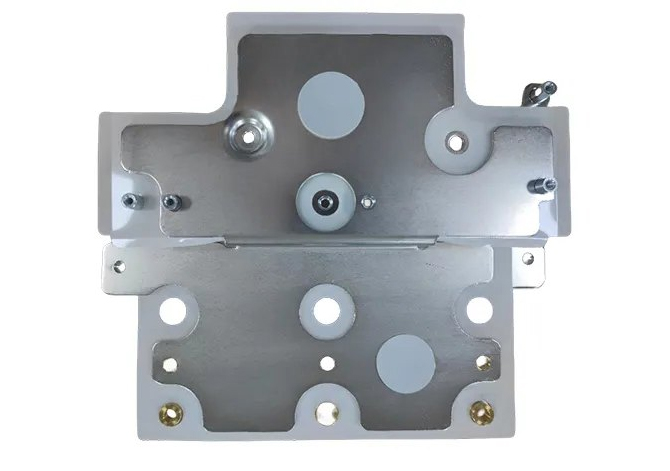
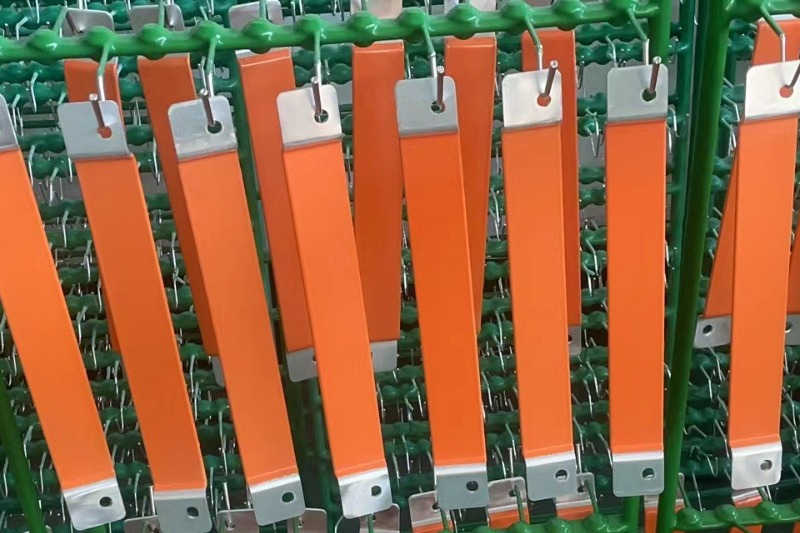
As a core conductive component of modern electrical systems, the copper busbar (copper bus bar) has become the preferred choice in industrial power distribution due to its excellent conductivity, flexible design, and cost-effectiveness. In this paper, we will discuss the three core types of copper busbar, 10 core advantages, and the 5-step design process from selection to installation and analyze its key role in the smart grid and new energy fields through authoritative data and external references. At the end of the article with the copper and aluminum busbar performance comparison, design a parameter table to help you make a quick decision.
3 types of copper busbars and applications
| Type | Structural Characteristics | Current-carrying Range | Application |
|---|---|---|---|
| Solid copper busbar | Single layer copper sheet, rectangular or circular cross-sectio | 1000A-6000A | High-current industrial equipment (e.g. transformers, cabinets) |
| Laminated Copper Disks | Multi-layer copper sheets, insulated between layers | 500A-3000A | High-frequency circuits, low inductance requirements (e.g., frequency converters) |
| Flexible Copper Array | Braided Copper Wire or Flexible Copper Tape | 200A-1500A | Vibrating environments, removable equipment (e.g., batteries for new energy cars) |
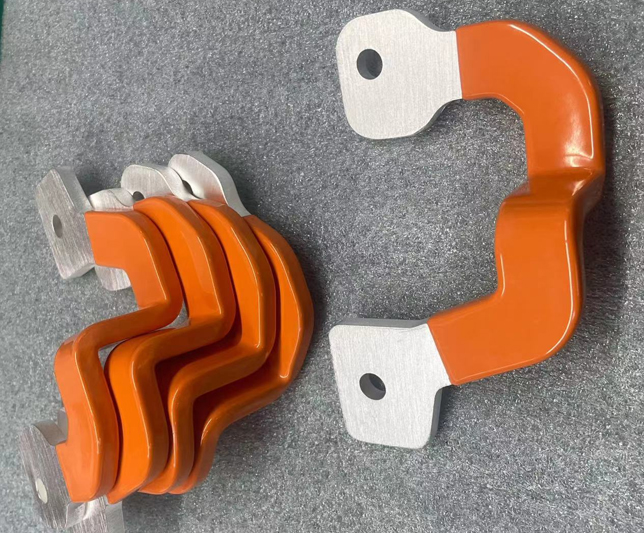
Case study: Tesla SuperWorks uses laminated copper busbars to reduce inverter inductance and increase power conversion efficiency by 3%.
10 Advantages of Copper busbars
- Optimal conductivity: copper’s conductivity (58.5×10⁶ S/m) far exceeds that of aluminum (37.7×10⁶ S/m), and resistance is reduced by 35% .
- Strong corrosion resistance: the oxide layer on the copper surface is stable, and the life span in a humid environment is more than 2 times longer than that of aluminum busbars.
- High heat dissipation efficiency: flat design increases the surface area by 50%, and with forced air cooling, the carrying current can be increased by 20%.
- Low installation cost: Copper wiring reduces the amount of cable by 90% and shortens the installation time by 40%.
- Customizable design: support shaped cutting, tin/silver plating treatment, and adapting to complex spaces (such as data center cabinets).
- Environmentally friendly and recyclable: copper recycling rate of over 95%, full life cycle carbon emissions 18% lower than aluminum).
- High Frequency Performance: Laminated structure reduces inductance to 10nH/cm², reducing electromagnetic interference (EMI).
- High mechanical strength: Tensile strength of 200-250 MPa, suitable for high vibration scenarios such as high voltage switchgear.
- Low contact resistance: Tin-plated copper connector resistance is only 0.1mΩ, reducing the risk of local overheating.
- Compatible with intelligent monitoring: integrated temperature sensors to realize real-time thermal management (Case: [Siemens Intelligent Busbar System]).
5-step process of copper busbar design
- Demand analysis:
- Determine the current load (need to reserve a 20% margin), voltage level (e.g., 380V/10kV), and ambient temperature (-40℃~125℃).
- Select the type of copper busbar: high-frequency scenarios prioritize the laminated structure; vibration environments choose flexible copper busbars.
- Parameter calculation:
- Cross-sectional area formula: A = I × K / (J × ΔT)
◦ I: current (A); K: heat dissipation coefficient (1.2-1.5); J: current density (2-4 A/mm²); ΔT: temperature rise (℃). - Reference standard: IEC 60439 on the limit value of temperature rise (≤65℃).
- Cross-sectional area formula: A = I × K / (J × ΔT)
- Structural design:
- Optimized layout to reduce eddy current loss (spacing ≥ 2 times the thickness of copper busbars).
- Edge chamfering treatment (R angle ≥ 0.5mm) to prevent tip discharge. 4.
- Material and surface treatment:
- T2 copper (purity ≥99.9%) is selected, and the thickness of tin plating is ≥5μm to resist oxidation.
- Silicone insulating sleeve is used in high voltage scenario (voltage rating ≥3kV/mm).
- Installation and testing:
- Use torque wrench to tighten the bolts (refer to IEC 61439 Appendix B for torque value).
- Infrared thermal imager detects temperature rise to ensure no localized hot spots.
Copper vs. aluminum busbars: when to choose copper?
| Parameters | Copper busbar | Aluminum busbar |
|---|---|---|
| Conductivity (S/m) | 58.5×10⁶ | 37.7×10⁶ |
| Density (g/cm³) | 8.96 | 2.70 |
| Cost (yuan/ton) | 65,000 | 18,000 |
| Lifetime (years) | 30+ | 15-20 |
| Recommended Scenarios | High Current, Compact Space | Low Cost, Lightweight Requirements |
Conclusion: Aluminum busbars are suitable for cost-sensitive scenarios such as low-voltage distribution cabinets, while copper rows are more advantageous in high-performance, long-life requirements.
Future Trends in New Energy and Smart Grids
- PV energy storage system: Huawei’s smart PV program uses flexible copper rows to connect battery modules, with a system efficiency of 98.5%.
- Electric vehicle charging piles: Laminated copper rows support 800V high-voltage fast charging, reducing charging time to 15 minutes.
- Digital twin technology: Optimized copper row layout through ANSYS Maxwell simulation, reducing losses by 12%.
Conclusion
Thanks to its irreplaceable electrical conductivity, flexibility and reliability, copper busbars has become the “blood vessel network” of industrial power distribution and new energy systems. Through scientific selection (solid/laminated/flexible), standardized design process (5-step method), and the integration of intelligent monitoring technology, copper busbar will continue to promote the evolution of electrical systems to high efficiency and green.
Related Post
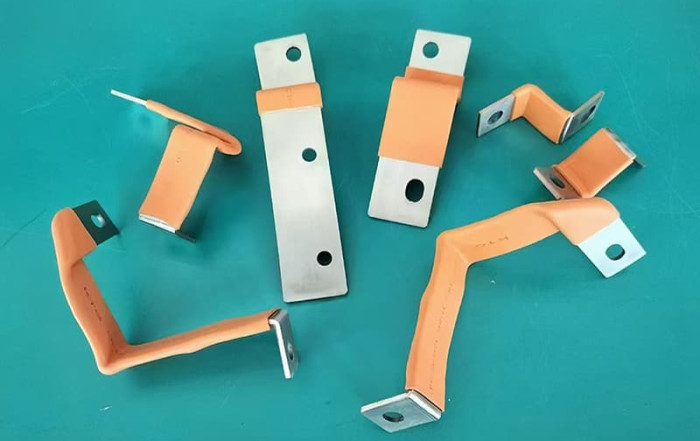
Why can’t a copper busbar and an aluminum busbar be directly connected?
[email protected]2025-12-08T02:54:03+00:00December 8th, 2025|0 Comments
Introduction Copper busbars and aluminum busbars are the two most commonly used conductive materials in the field of power systems and industrial distribution. Due to differences in cost, resource availability, and technical requirements, they often
How to Prepare for a Big Win at Tez888 Casino
Developer Ismail2025-10-04T21:44:04+00:00October 4th, 2025|0 Comments
When aiming for a significant payout at Tez888 casino, one crucial step often overlooked is thorough receipt checking and verification. Properly managing your transaction records not only ensures transparency but also plays a vital role
Tips and Tricks for Successful Betting on Bettilt
Developer Ismail2025-08-17T05:29:18+00:00August 17th, 2025|0 Comments
When engaging in online betting, particularly on platforms like bettilt, it's crucial to incorporate strategies such as receipt checking, tax optimization, and thorough verification to maximize your success. These elements ensure that your betting activities

How Do You Calculate the Size of a Copper Busbar?
[email protected]2025-06-06T06:54:57+00:00June 6th, 2025|0 Comments
1. Introduction to Busbar Sizing Accurate copper busbar sizing is vital for secure, dependable, and effective electric circulation. Busbars disperse high currents in switchgear and panelboards. Inappropriate sizing reasons extreme warmth, power loss, voltage
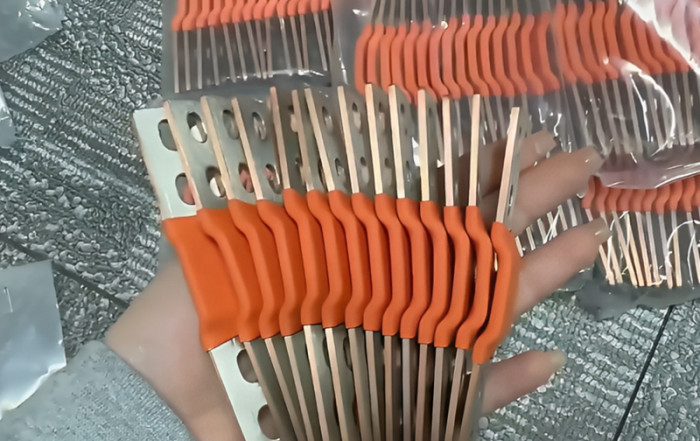
10 Essential Tips for Working with Copper Busbars
[email protected]2025-06-03T06:35:28+00:00June 3rd, 2025|0 Comments
In modern power systems, copper busbars have actually become a core element in power transmission and distribution because of their superb electric conductivity, rust resistance and mechanical strength. As a specialist manufacturer of copper
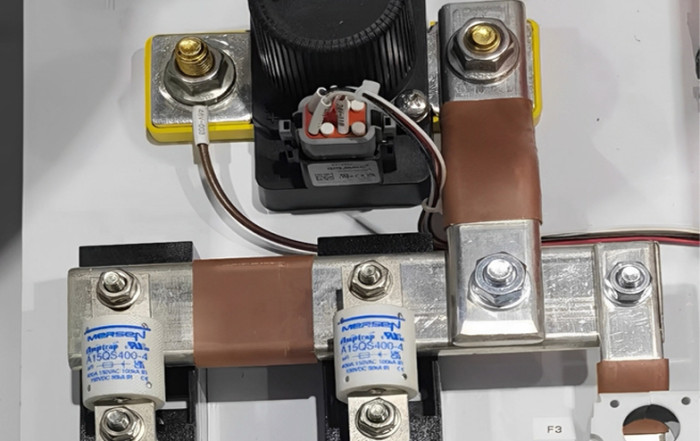
A Guide to Maintaining Copper Busbars Effectively
[email protected]2025-05-28T06:09:36+00:00May 28th, 2025|0 Comments
As a core component of power transmission systems, copper busbars are an important choice for industry due to their high electrical conductivity, corrosion resistance and mechanical strength. However, the durability of its performance is
Get IN TOUCH
We Deliver Any Customize Busbars
Related Posts
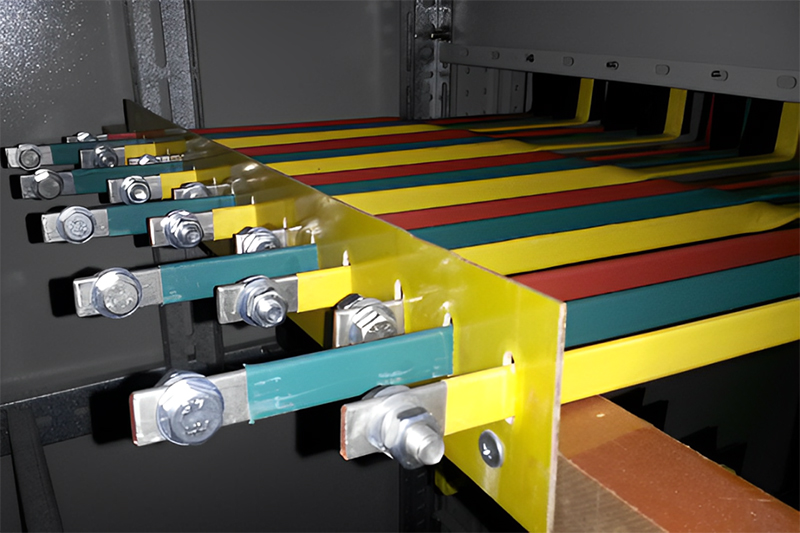
Nam lacinia arcu tortor, nec luctus nibh dignissim eu nulla sit amet maximus.

Nam lacinia arcu tortor, nec luctus nibh dignissim eu nulla sit amet maximus.
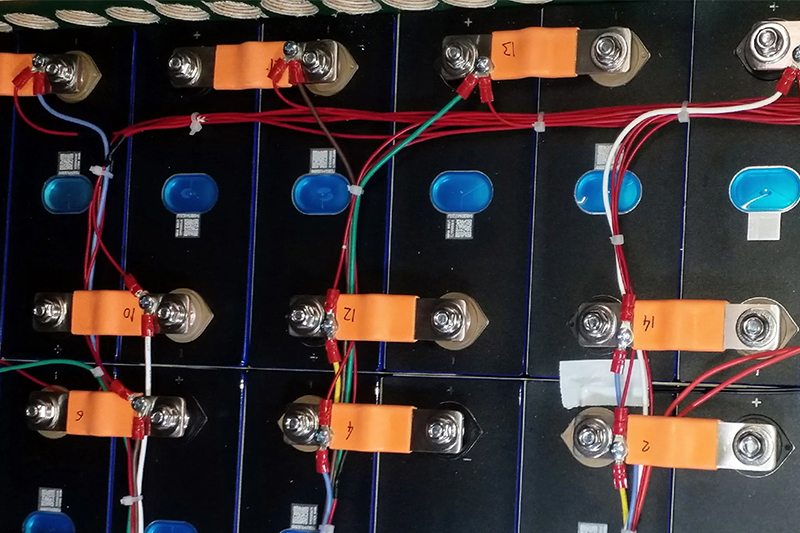
Nam lacinia arcu tortor, nec luctus nibh dignissim eu nulla sit amet maximus.
Nam lacinia arcu tortor, nec luctus nibh dignissim eu nulla sit amet maximus.

 English
  Arabic
  German
  Spanish
  French
  Russian
  Danish
  Japanese
  Italian
  Vietnamese
  Turkish
  Dutch
Dutch  Portuguese
  Thai
Thai  Swedish
  Korean
  Greek
Greek  Polish
  Estonian
  Esperanto
  Hindi
Hindi  Indonesian
  Latvian