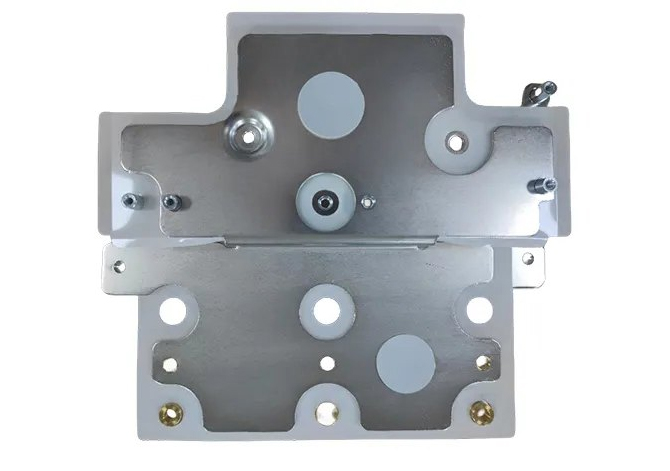
Copper Bus bar
We had been a trusted supplier of copper bus bars for over 10 years. As a reliable provider of copper busbar solutions, we offers superior products to meet your needs for electrical power distribution .
- Tailored designs in various shapes, sizes, and thicknesses.
- Engineering assistance and rapid prototyping.
- Options for tin, nickel, or silver plating, and insulation coatings.
- Electrical and mechanical testing for reliability.
- Efficient production with large inventory for fast dispatch.
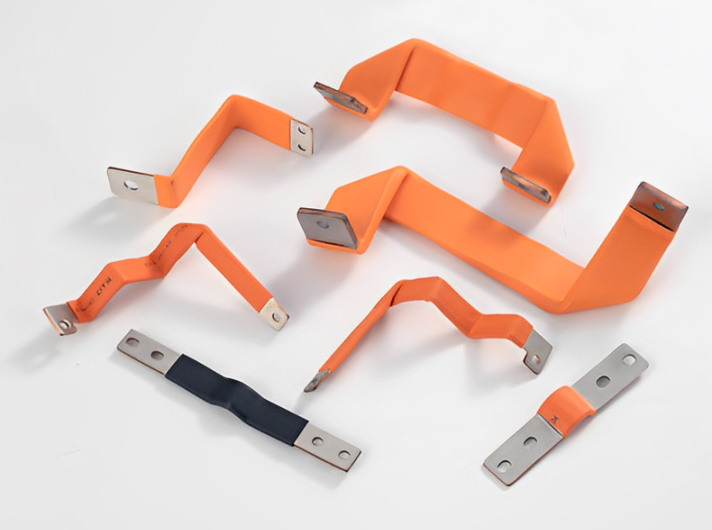
Your Premier Copper Bus bar Manufacturer & Supplier
Our factory focuses on providing customers with customized copper busbar, with full-process guarantee from solution design to production delivery:
✅ Precise Manufacturing: support any specification shaped copper busbar processing, provide parameter design assistance and fast sample delivery service;
✅ Surface treatment: optional tin plating (oxidation resistance)/nickel plating (corrosion resistance)/silver plating (high-frequency low-resistance) and other processes, the contact resistance is reduced by 25%-40%;
✅ Quality Verification: Implementing ISO 6892 mechanical strength test and IEC 60439 electrical performance test.
✅ Agile Delivery: 10,000 square meters level raw material warehousing, regular order production cycle ≤ 5 days, 48 hours expedited channel for urgent orders;
✅ Value-added services: Provide all types of secondary processing: precision cutting (±0.2mm), three-dimensional bending (angular accuracy ±0.5°), laser marking (corrosion-resistant marking)
All products come with material certificates, test reports and IP protection certificates, welcome to inquire for customized solutions to experience the reliability and energy efficiency upgrade of high-end electrical connection systems.
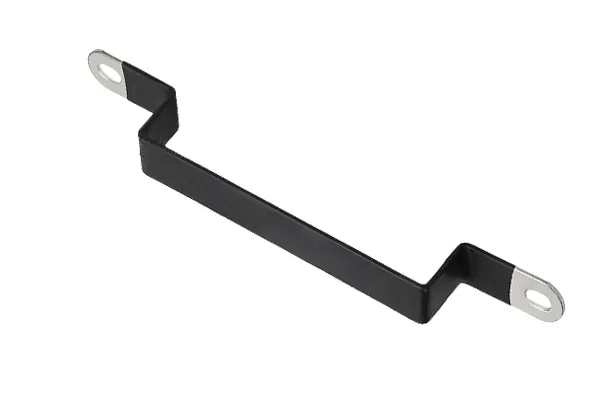
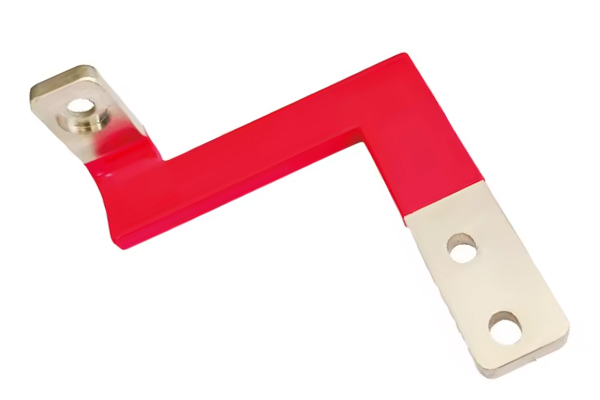
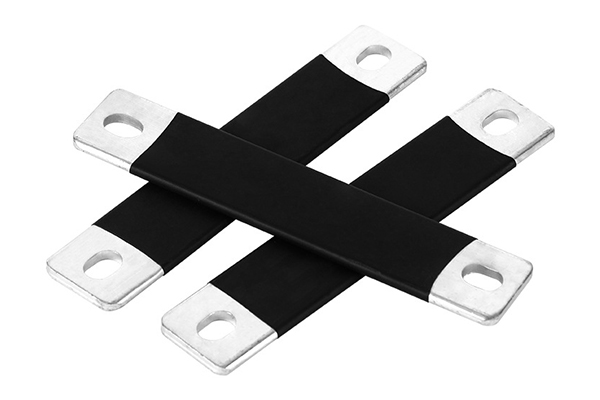
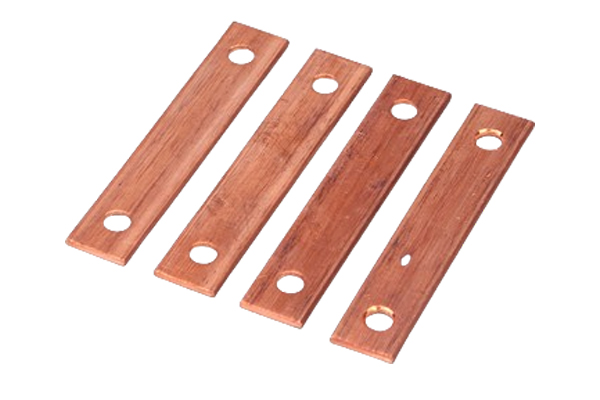
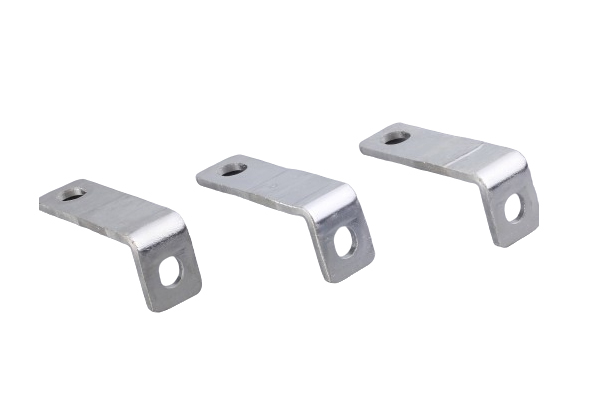
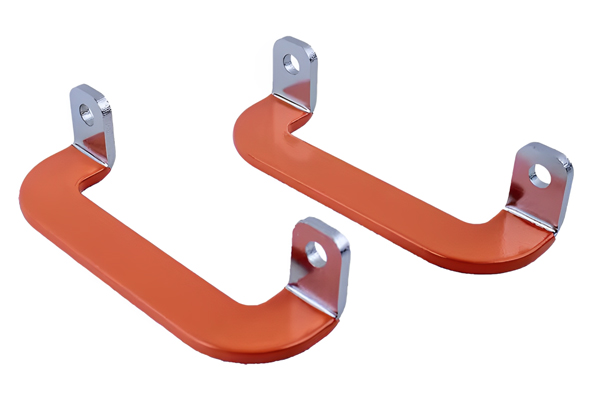
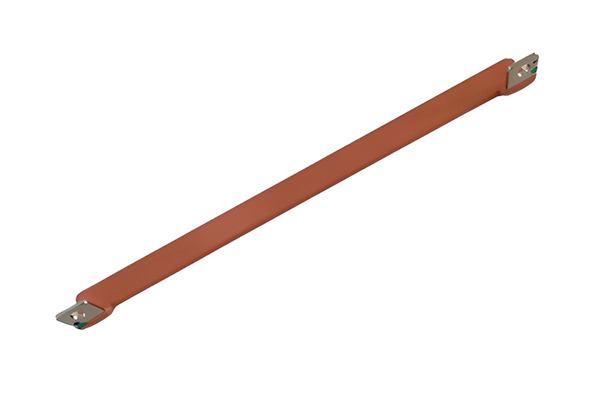
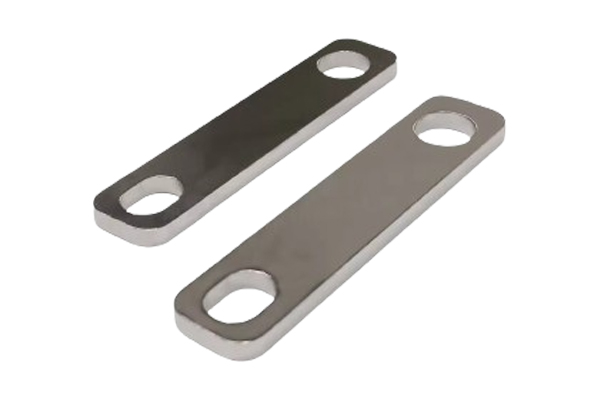
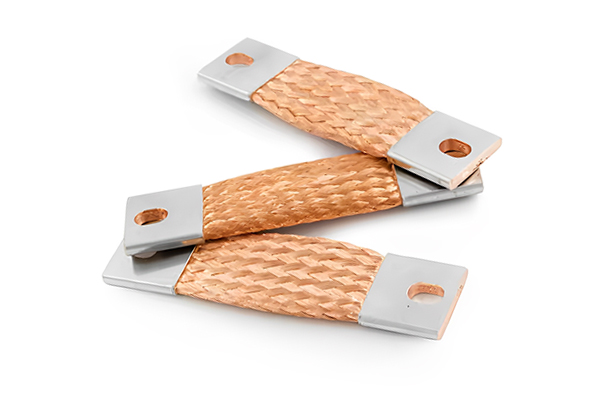
-
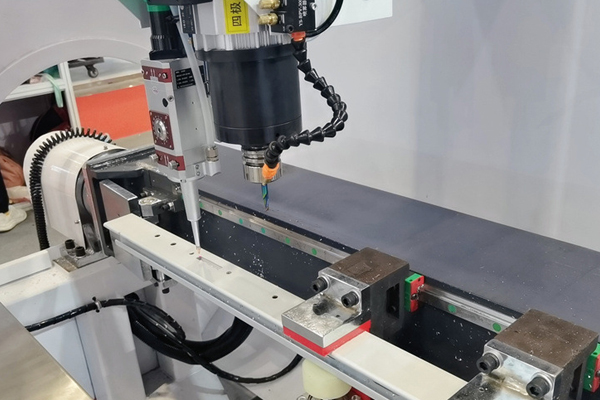
- Drilling and milling
-
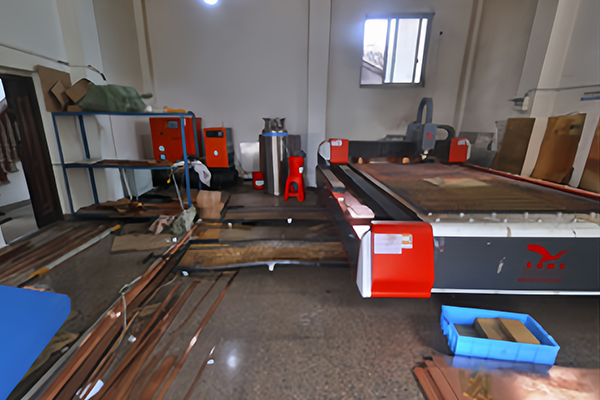
- Cutting
-
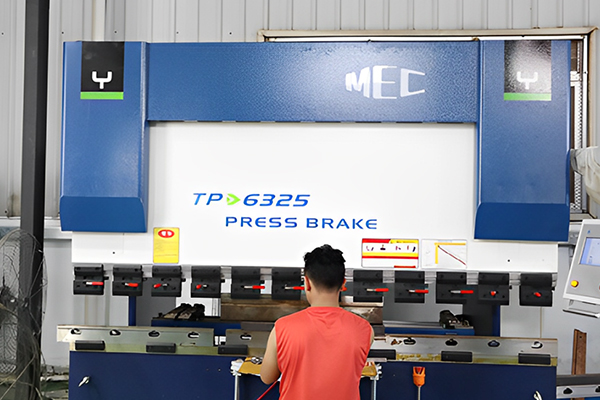
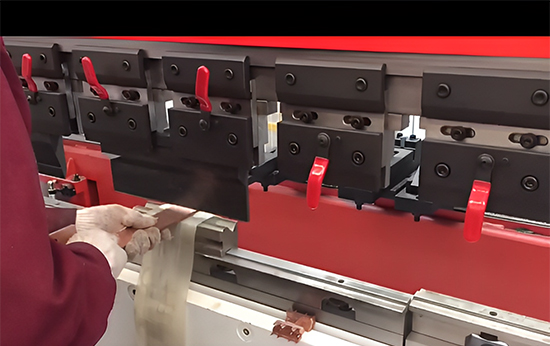
- Bending
-
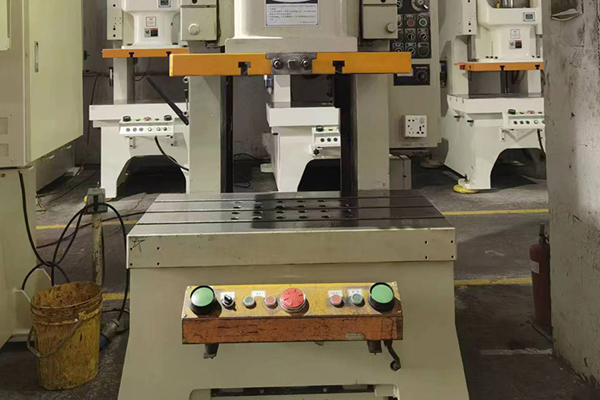
- Stamping
-
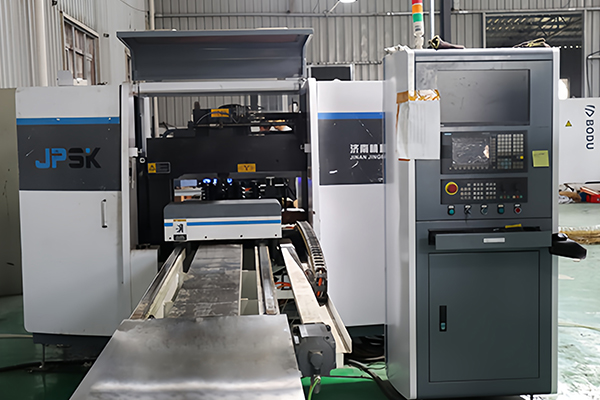
- Laser Cutting
-
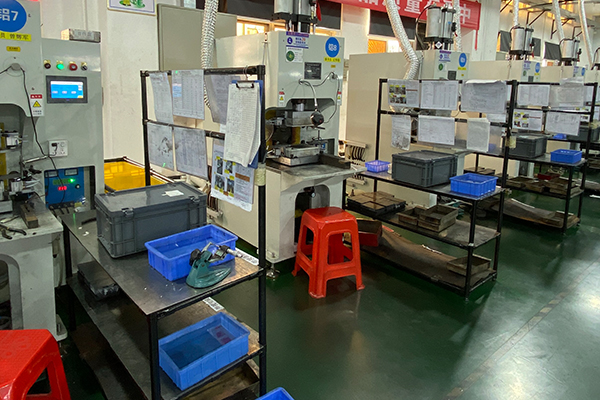
- Welding
-
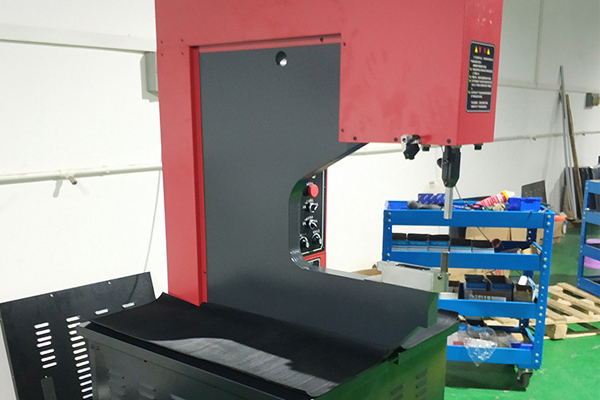
- Riveting
-
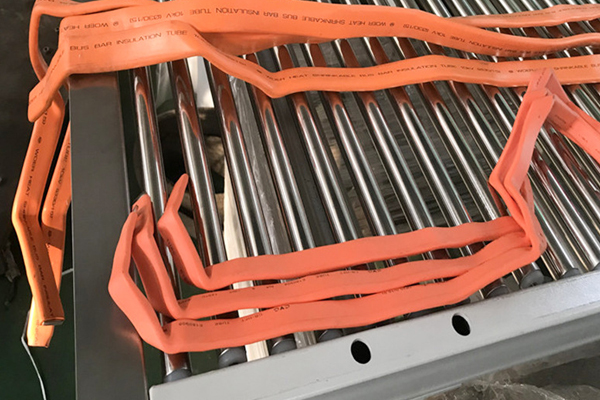
- Casing
-
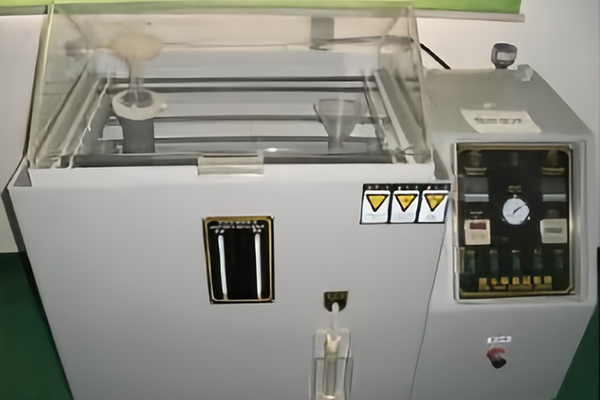
- Testing
-
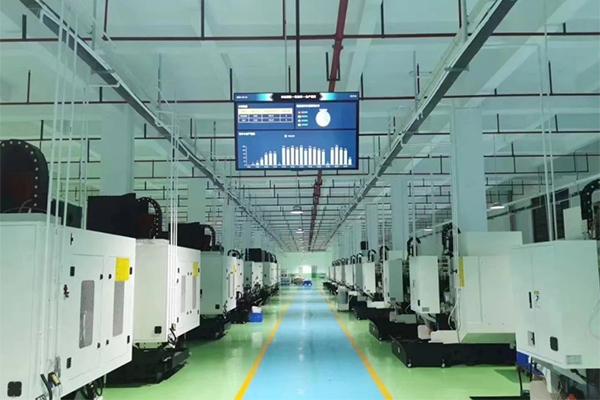
- CNC workshop 1
-
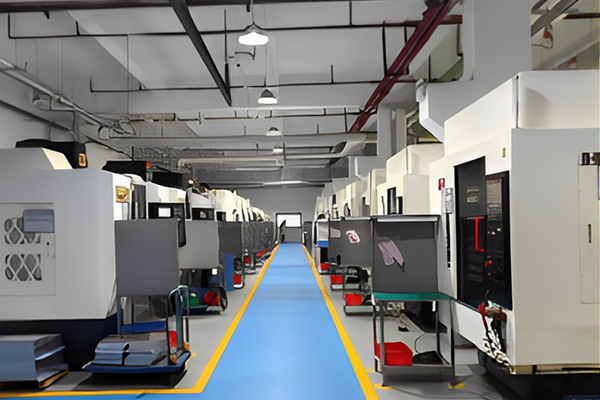
- CNC workshop 2
-
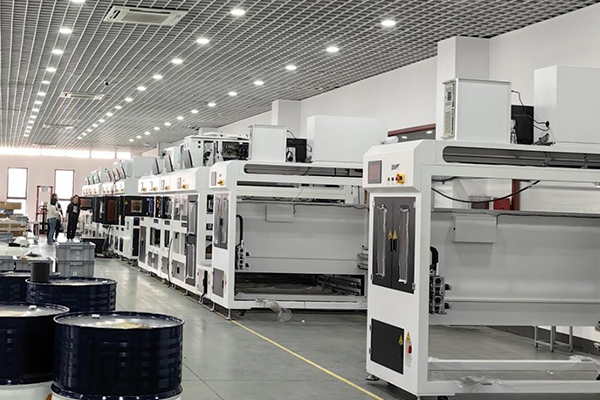
- CCS production line
-
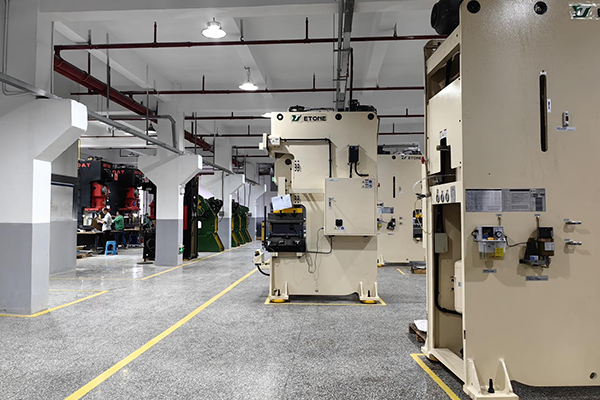
- Stamping workshop
-
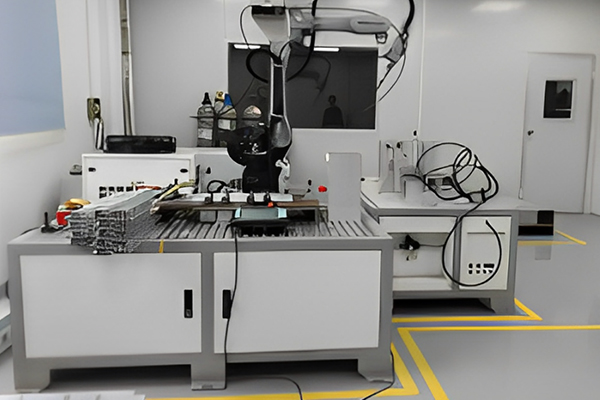
- Laser welding workshop
-
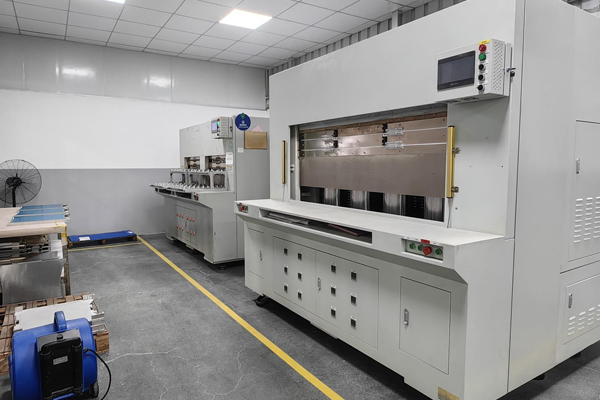
- Hot pressing workshop
-
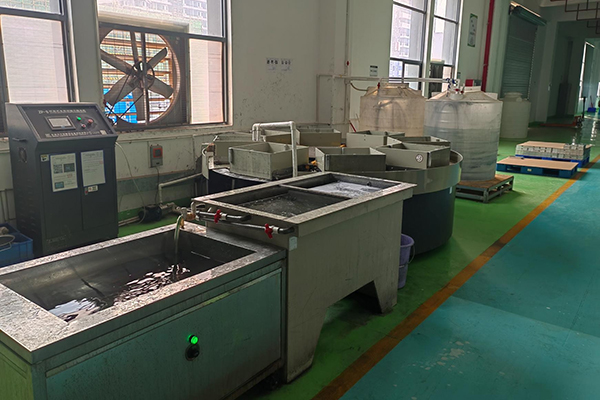
- Magnetic grinding line
-
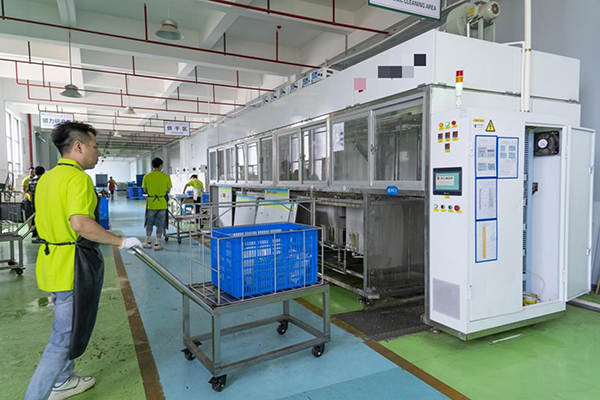
- Ultrasonic cleaning line
-
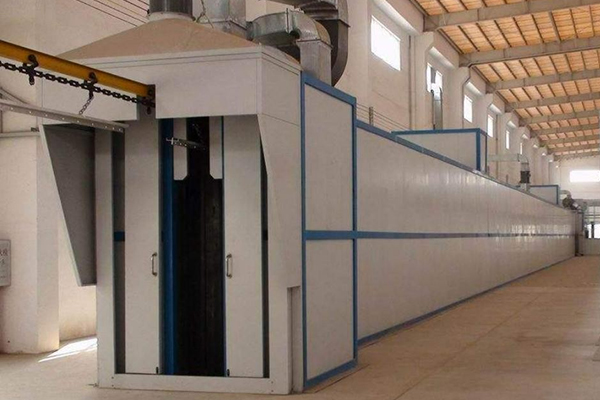
- Powder spraying workshop
Your Professional Copper Bus bar Supplier
Basic material selection criteria
According to GB/T 2040-2017 standard, industrial commonly used copper materials can be divided into three categories :
| Material type | Item | Conductivity (MS/m) | Tensile strength (MPa) | Typical application scenarios |
|---|---|---|---|---|
| Pure copper plate | T2 | 58 | 250-300 | Main circuit of low-voltage distribution cabinet |
| Copper busbar | TMY | 57.5 | 280-320 | New energy battery connection bar |
| Oxygen-free copper | TU1 | 59 | 260-290 | High-frequency circuit precision connection |
Specialty Copper Alloy Development Trends
In response to the demand for 800V high-voltage platforms for new energy vehicles, copper-chromium-zirconium (CuCrZr) alloy busbars have achieved a breakthrough in electrical conductivity of 55 MS/m and tensile strength of 450 MPa[^Industry News]. The successful application of this type of material in the Tesla Supercharger pile has reduced charging loss by 2.3 percentage points.
Analysis of the whole process of advanced manufacturing technology
a. Precision processing technology innovation
Based on the requirements of GB/T 5585.1 standard, modern copper row processing forms five core technologies (Figure 1):
Precision shear: laser cutting technology to achieve ± 0.05mm tolerance, compared with the traditional punching and shearing process to improve efficiency by 3 times.
Intelligent bending: the application of six-axis robot bending system, can complete the minimum internal angle R = 1.5t (t is the thickness of the material) of the complex modeling
Nano-punching: development of stepped multi-station molds, realizing Φ2mm micro-hole array processing, hole distance accuracy of ±0.1mm.
b. Surface treatment technology breakthroughs
Compare the key performance indicators of different plating processes:
| Plating type | Conductivity (%IACS) | Salt spray resistance (h) | Contact resistance (μΩ) | Cost index |
|---|---|---|---|---|
| Bare Copper | 100 | 24 | 18.5 | 1.0 |
| Tin-plated | 78 | 720 | 22.3 | 1.8 |
| Silver Plated | 105 | 2000 | 15.7 | 4.2 |
| Nickel Plated | 25 | 3000 | 35.6 | 3.5 |
Smart Packaging Solution Innovation
a.Anti-oxidation packaging system
Adopt VCI vapor phase antirust technology with PE vacuum packaging:
- Oxygen content control <0.1%
- Maintain humidity ≤10%RH
- Antioxidant validity is extended to 3 years.
b.Intelligent Traceability System
The integrated RFID chip is realized in the packaging box:
- Production batch traceability accuracy up to 100%
- Real-time monitoring of logistics status
- Automatic docking of inventory management system
Industry Application Cases and Benefit Analysis
A.Data center power transformation project
After adopting silver-plated copper busbar in a supercomputing center, the power loss was reduced by 2.1kW/machine:
- Reduced power loss by 2.1kW/cabinet.
- Annual electricity cost savings exceeded $12,000.
- System stability increased to 99.999%.
B.New Energy Vehicle Battery Pack Connection Solution
Innovative copper-chromium-zirconium alloy busbar application makes:
- 15% weight reduction of battery system
- Fast charging efficiency increased by 18
- Cycle life exceeds 5000 times
Direction of Future Technology Development
a.Superconducting copper matrix composites
Laboratory stage has been realized:
- Critical current density of 77K temperature zone 1×10^5 A/cm².
- Mechanical strength increased to 580MPa
b.Green Manufacturing Process
Development of electrolysis-rolling integrated equipment, enabling:
- Energy consumption is reduced by 35%.
- Copper material utilization rate increased to 99.2%.
- Zero wastewater discharge
About Us As an ISO 9001:2015 and IATF 16949 certified specialized manufacturer, we offer:
- 72-hour rapid sample service
- 0.005mm precision machining capability
- 12 customized solutions for surface treatment .
What is the coating on copper bus bars?
The coating on copper busbars serves several essential purposes, primarily aimed at enhancing durability, conductivity, and protection against corrosion. Here are some common coatings used on copper busbars:
Tin Plating: Tin plating is a common coating used to protect copper busbars from oxidation and corrosion. It forms a thin layer of tin over the copper surface, improving electrical conductivity and resistance to environmental elements.
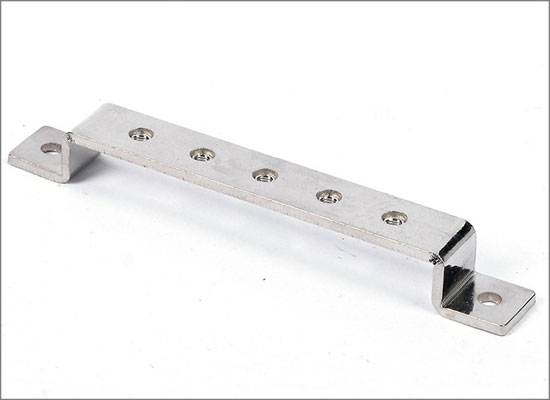
Nickel Plating: Nickel plating provides excellent corrosion resistance and durability. It is often used in environments where busbars are exposed to harsh conditions or where abrasion resistance is required.
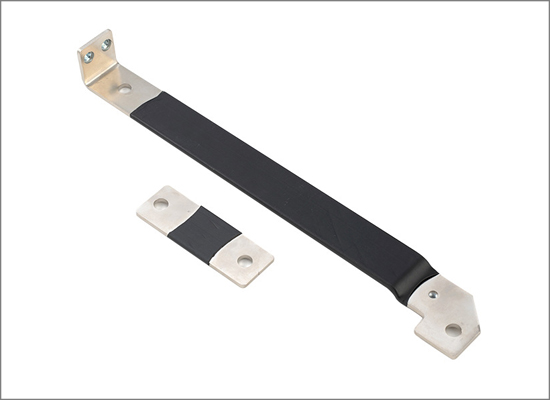
Silver Plating: Silver is known for its superior electrical conductivity. Silver-plated copper busbars offer enhanced electrical performance while also providing some level of corrosion resistance.
Tin-Plated with Nickel Undercoat (Tin-Nickel): This combination provides both the corrosion resistance of nickel and the solderability and conductivity of tin. It is suitable for applications requiring robust protection against corrosion and mechanical wear.
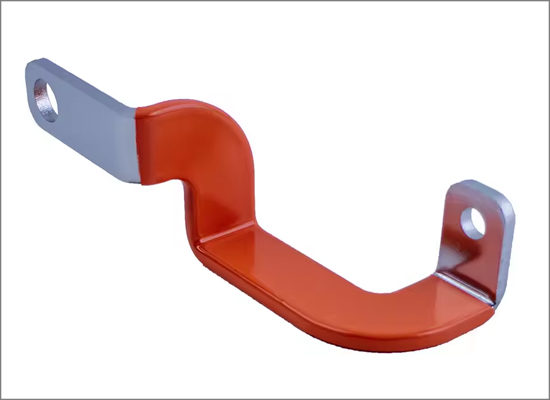
Epoxy Coatings: Epoxy coatings are applied to copper busbars to provide insulation and protection against moisture and contaminants. Epoxy coatings can enhance the busbar’s mechanical strength and resistivity to harsh environments.
What Entails Manufacturing of Copper Bus bars?
As the core conductive element of the power system, the manufacturing process of copper busbar directly determines the safety and efficiency of electrical equipment. This paper is based on international standards and industry practice, combined with authoritative data and process flow, systematic analysis of the key aspects of copper busbar manufacturing, covering material selection, smelting and casting, precision machining, and quality control, and the introduction of electrical conductivity, tensile strength, and other core parameters of the comparison, to provide technical reference for the industry.
1. Material selection: high purity and composition control
The conductivity of the copper bus is closely related to the purity. International standards (GB/T 5231-2022) provide that T1 copper content needs to be ≥ 99.95%, while the EU EN 13601 standard requires copper conductivity ≥ 101% IACS (International Annealed Copper Standard). For example, Shandong Zhongjia New Material Co., Ltd. adopts oxygen-free copper process, with copper and silver content of over 99.97% and oxygen content ≤ 0.001%, which ensures the conductivity as high as 102% IACS.
Data comparison:
| Copper Type | Copper Content | Conductivity (IACS) | Applicable Standards |
|---|---|---|---|
| T1 Copper | ≥99.95% | 101% | GB/T 5231 |
| Oxygen-free copper | ≥99.97% | 102% | EN 13601 |
| Ordinary copper | ≥99.9% | 97%-99% | GB/T 5581 |
2. Melting and casting: vacuum environment and temperature control
The melting stage needs to be completed in a vertical high-frequency induction furnace with the temperature controlled at 1140–1160 °C. Charcoal covers the melting furnace (thickness 100-150mm) to isolate oxygen and avoid oxidized impurities. Upper lead continuous casting process adopts graphite crystallizer, traction speed 500-1500mm/min, to ensure that the diameter of oxygen-free copper rods 20-30mm, oxygen content <0.001%.
3. Rolling and molding: precision and mechanical property enhancement
- Hot rolling and cold rolling: hot rolling reduces the thickness of copper billet to the target size, and cold rolling further optimizes the surface flatness (roughness Ra≤1.6μm).
- bending process: vertical bending allows bending radius ≥ 2 times the thickness of the busbar, flat bending radius ≥ 1.5 times the width, to avoid cracks and wrinkles. Multi-piece bus bar bending needs to maintain a uniform gap, error ≤ 0.5mm.
4. Annealing: stress relief and ductility optimization
Annealing temperature needs to be adjusted according to the state of copper: soft copper (TMY-R) annealed at 250-300 ℃, hard copper (TMY-Y) needs 350 ℃ to restore ductility. Tensile strength after treatment ≥206MPa, elongation ≥35%.
5. Surface treatment: anti-corrosion and conductive enhancement
- Tin plating / tin-lining: contact surface tin thickness ≥ 5μm, to improve corrosion resistance (salt spray test ≥ 500 hours).
- Insulation treatment: heat-shrinkable tubing (e.g. polyolefin material) voltage resistance level ≥ 10kV, adapt to high temperature and high humidity environment.
6. Precision processing: CNC technology and size control
- Punching and drilling: Hole diameter error ≤ 0.5mm, chamfer depth ≤ 0.8mm, to avoid burrs affecting conductivity.
- Automated cutting: CNC equipment ensures length tolerance ±1mm and angle deviation ≤0.5°.
7. Quality control: full-process testing system
- Conductivity test: four-probe method is used to detect resistivity (standard value ≤ 0.01777Ω-mm²/m).
- Mechanical properties: tensile strength test (hard state copper ≥275MPa), bending fatigue test (≥5000 cycles).
- Appearance inspection: no scratches and oxidized spots on the surface, flatness ≤ 3mm/m.
What are the common sizes of copper bus bars?
1. Thickness and Width
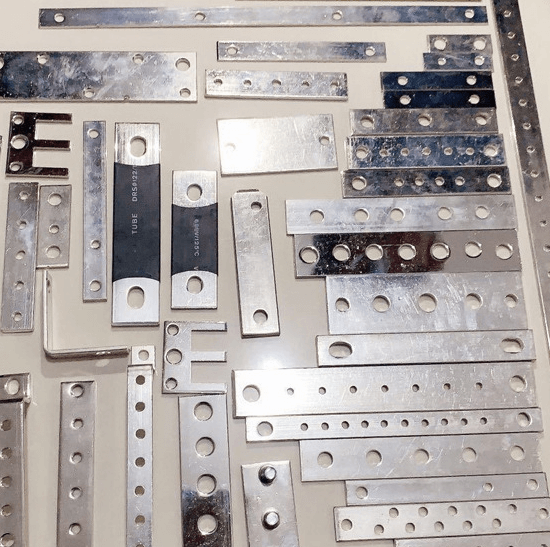
Copper bus bars are available in a variety of thickness and width combinations, common sizes include
- 6mm × 25mm (1/4" × 1"): suitable for small switchboards and low current scenarios.
- 10mm × 50mm (3/8" × 2"): for medium-sized systems with moderate current requirements.
- 25mm × 100mm (1" × 4"): For large industrial systems with high current loads.
- 50mm × 200mm (2" × 8") and above: Designed for heavy industrial equipment and large-scale power distribution.
- Other customized sizes: e.g. 5mm × 10mm, 25 × 3mm, 40 × 4mm, etc.
2. Cross-sectional area
The cross-sectional area directly affects the current-carrying capacity. Common ranges are as follows
- 50-500mm²: Residential and light commercial applications.
- 500-2000mm²: Industrial and large commercial distribution systems.
- 2000mm²: High current scenarios such as power stations.
- Heat Balance Calculation: It is necessary to consider the ambient temperature, heat dissipation area and resistance (e.g. formula \( R = \\frac))
3. Rated Current
- Standard range: 100A to 2000A
- High current specification: Special design busbars up to 25,000A (e.g. optimized by parallel connection of several groups or cooling).
- Current-carrying density: Copper busbars are usually designed for 1.2 A/mm (line current) or 1.7 A/mm² (face current) (subject to adjustment for temperature correction factor according to DIN 43 671).
4. Length
- Customized cuts: can be cut to suit control cabinets or panels on request (e.g. 150mm short connector strip or 5m long straight section).
5. Customized design
- Shape: In addition to rectangular shape, it can be customized to L-shape, C-shape and other shaped sections.
- Thermal simulation support: mathematical modeling to analyze steady state temperature distribution and contact resistance effects.
6. Key design references
- DIN 43 671: Correction factor for adjusting the effect of ambient temperature on the flow rate.
- Thermal dissipation modeling: balance between cross-sectional area and surface area for heat dissipation is key

 English
  Arabic
  German
  Spanish
  French
  Russian
  Danish
  Japanese
  Italian
  Vietnamese
  Turkish
  Dutch
Dutch  Portuguese
  Thai
Thai  Swedish
  Korean
  Greek
Greek  Polish
  Estonian
  Esperanto
  Hindi
Hindi  Indonesian
  Latvian