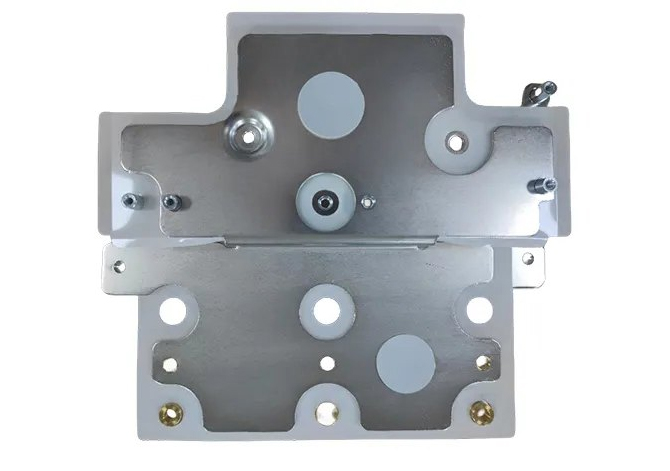
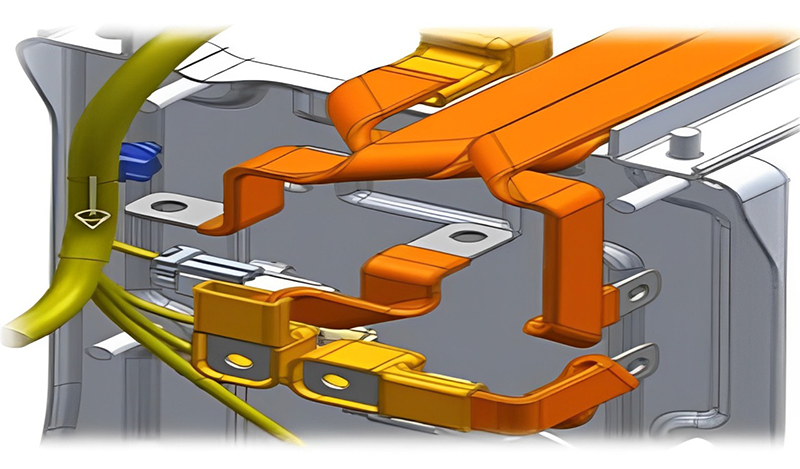
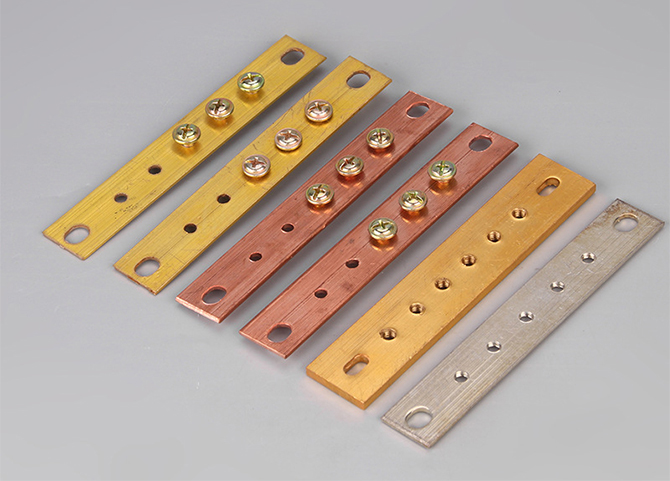
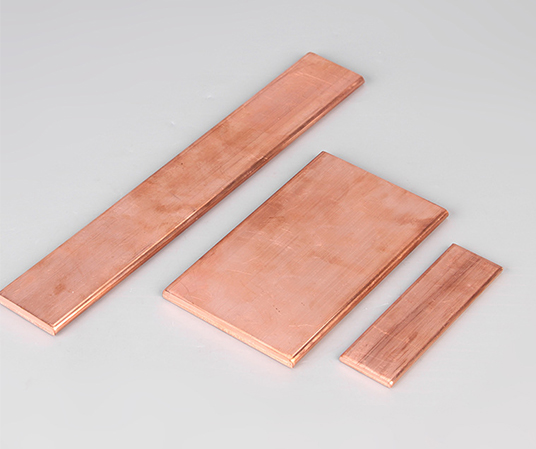
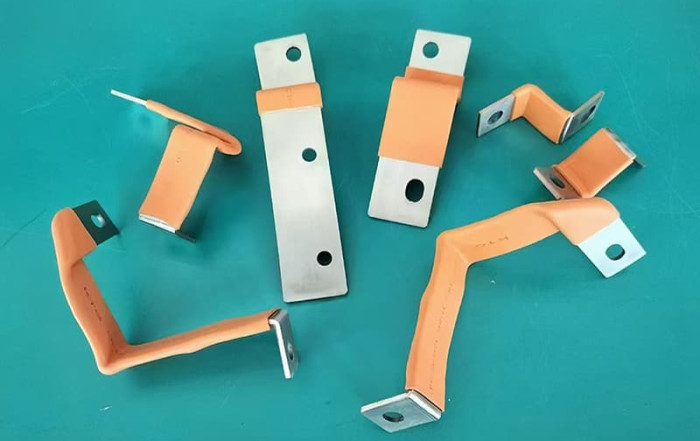
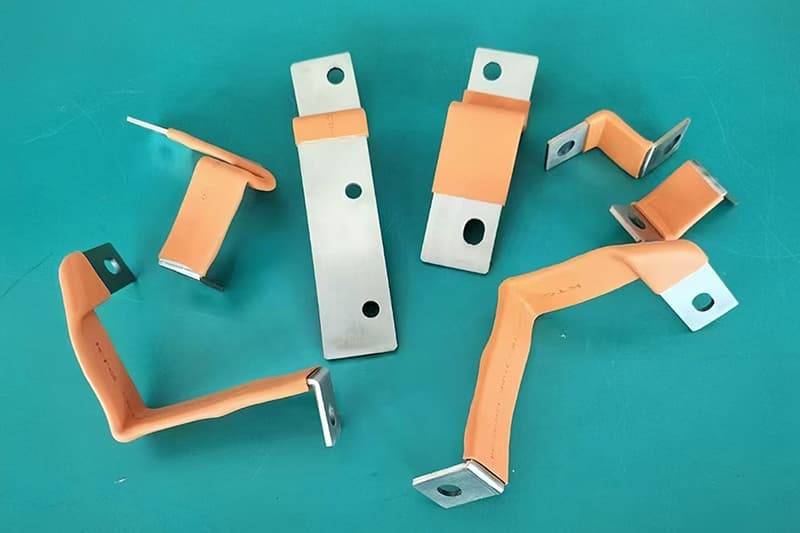
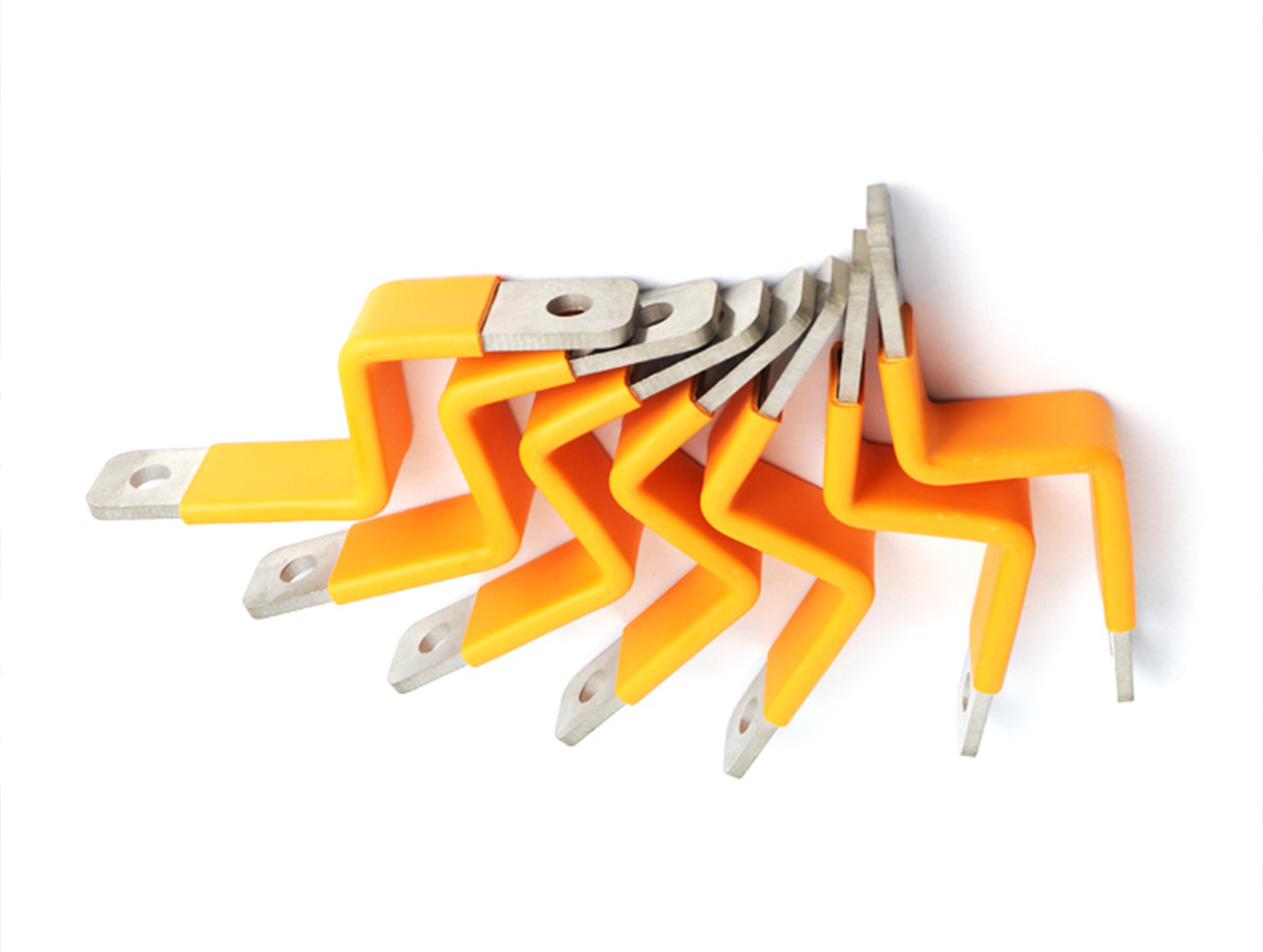
Copper busbars, as the core component for efficient electrical conductivity, are widely used in automotive wiring harnesses, energy storage systems and power transmission. Its types are diverse, and the design process is complex and standardized, which can meet the requirements of compact layout, high current carrying and harsh environment. In this article, we systematically sort out the types of copper busbar, material properties, design process and testing standards, combined with industry data and authoritative analysis, to provide engineers and manufacturers with reference, to help optimize product performance and cost-effectiveness.
Basic Characteristics of Copper Bus Bar
Copper busbar has become a core material for power transmission due to its high conductivity (100% IACS), corrosion resistance and mechanical strength. Especially in new energy vehicles and energy storage systems, copper busbars bear the efficient connection between battery packs and electrical equipment, which directly affects system safety and energy efficiency.
Conductivity comparison
Industry Application Cases of Copper Busbars
a. New Energy Vehicles
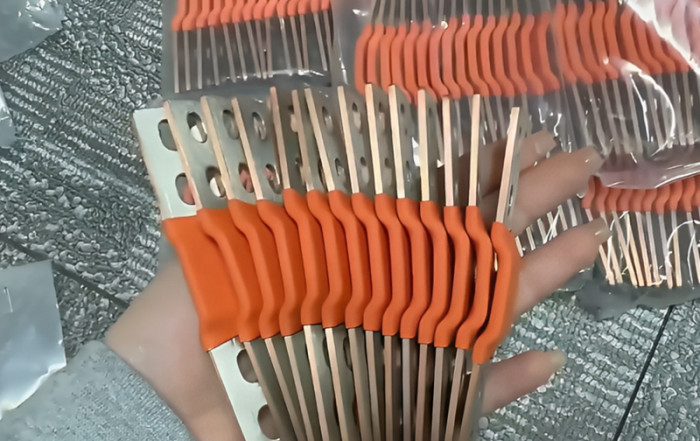
- Demand-driven: High energy density battery packs require busbar carrying capacity ≥500A, and the proportion of flexible busbar has increased to 35%.
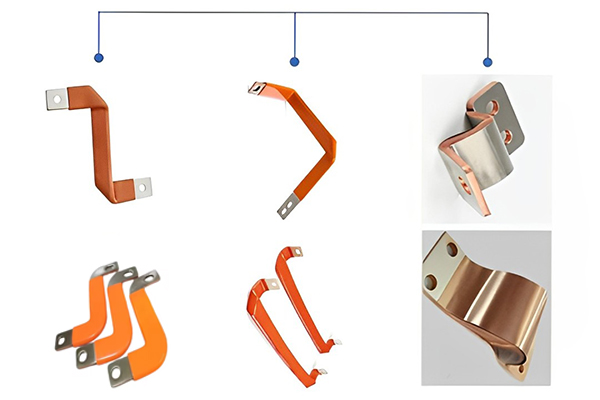
- Typical case: Tesla 4680 battery adopts multi-layer flexible copper foil, reducing internal resistance by 10% [Industry Report].
b. Energy Storage System (ESS)
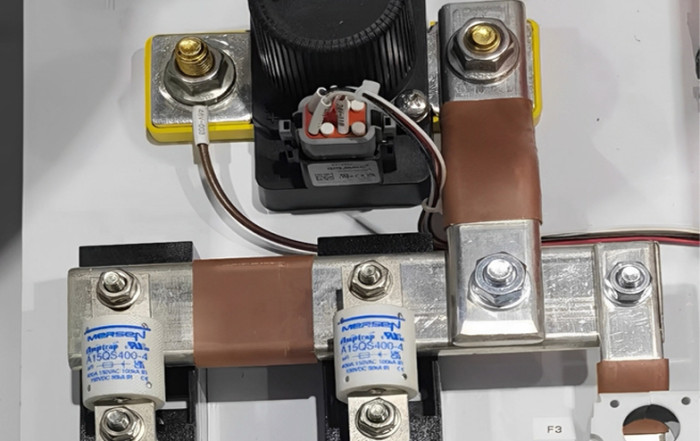
- Technical Challenge: Busbars need to withstand a -40°C to 85°C temperature difference; copper-aluminum alloy busbar applications grow.
c. Renewable Energy Grid Integration (REGI)
- High-voltage transmission: Tubular copper busbars (cross-sectional area ≥2000 mm²) are used in photovoltaic power plant boosting systems.
4. Cost Optimization
- Material Substitution: Copper-clad aluminum busbar costs 30% less than pure copper, applicable to medium and low voltage scenarios.
- Recycling: the recycling rate of used busbars is over 95%, reducing mining dependence [industry data].
Conclusion
Copper busbar continues to drive power transmission efficiency through type innovation and process upgrades. From rigid to flexible design, from traditional tin-plating to environmentally friendly recycling, its evolutionary path closely matches the trend of industrial intelligence and green manufacturing. In the future, with the expansion of new infrastructures such as 5G base stations and supercharging networks, copper busbars will play a greater role in high-power, high-reliability scenarios.



 English
  Arabic
  German
  Spanish
  French
  Russian
  Danish
  Japanese
  Italian
  Vietnamese
  Turkish
  Dutch
Dutch  Portuguese
  Thai
Thai  Swedish
  Korean
  Greek
Greek  Polish
  Estonian
  Esperanto
  Hindi
Hindi  Indonesian
  Latvian