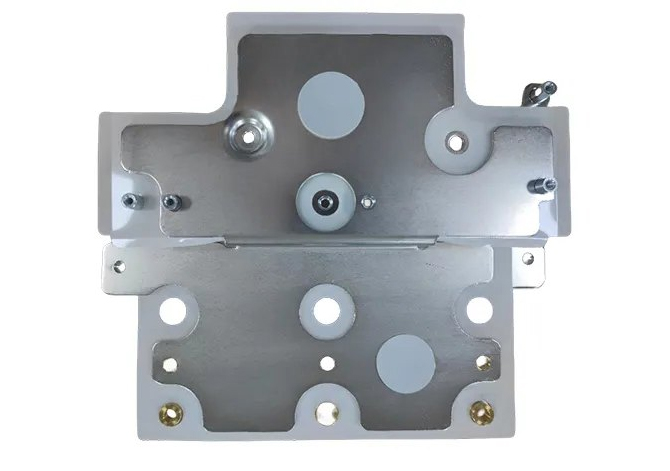
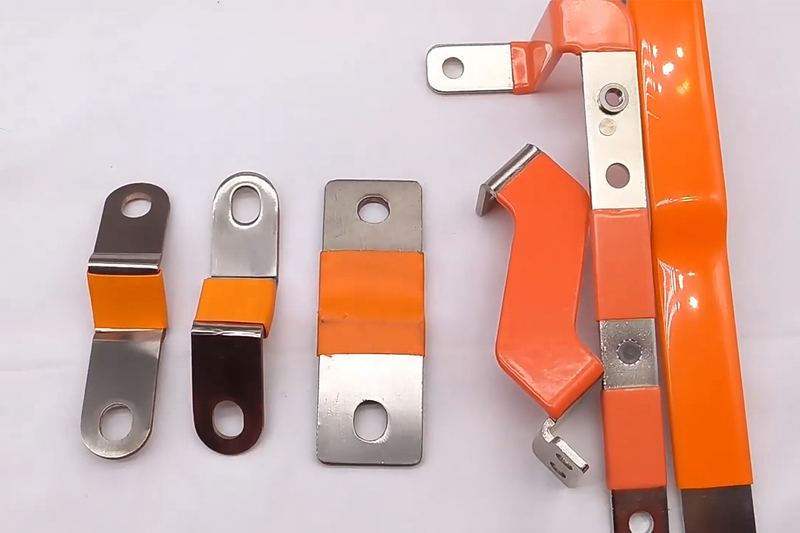
As an irreplaceable conductive material in electrical engineering, copper busbar has become a core component in high- and low-voltage power distribution, new energy equipment, and industrial manufacturing due to its excellent conductivity, mechanical strength, and environmental adaptability. This paper analyzes the physical properties of copper busbar, application scenarios, installation specifications, industry challenges, and other dimensions, combined with 10 key arguments and authoritative data, to reveal its core value in modern power systems and provide technical reference for engineering practice.
I. Advantages of Copper busbars
1. Conductivity for power transmission
The conductivity of copper is as high as 58.0 MS/m, which is 1.6 times higher than that of aluminum (aluminum is 35.5 MS/m), which means that under the same cross-sectional area, the current-carrying capacity of copper can be increased by more than 60%. For example, in a 2000A current scenario, the cross-section area of a copper busbar can be reduced by 40% compared to an aluminum busbar, resulting in significant equipment space savings (see Table 1).
Comparison of current-carrying capacity of copper vs. aluminum
| Material | Conductivity (MS/m) | Current Carrying Capacity (2000A) | Cross Section Area (mm²) |
|---|---|---|---|
| Copper | 58.0 | 2000A | 120 |
| aluminum | 35.5 | 2000A | 200 |
2. Thermal conductivity and safety redundancy
The thermal conductivity of copper rows (401 W/m-K) far exceeds that of aluminum (237 W/m-K), allowing for rapid heat dissipation and avoiding fires caused by localized overheating. Studies have shown that copper rows have 30% higher short-circuit current carrying capacity than aluminum rows, and 50% longer fault fusing time.
3. Mechanical strength and processing adaptability
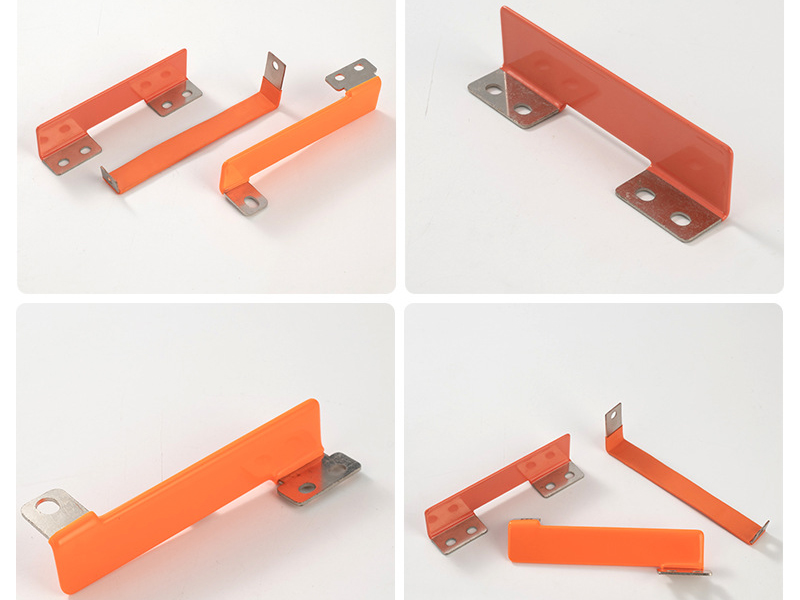
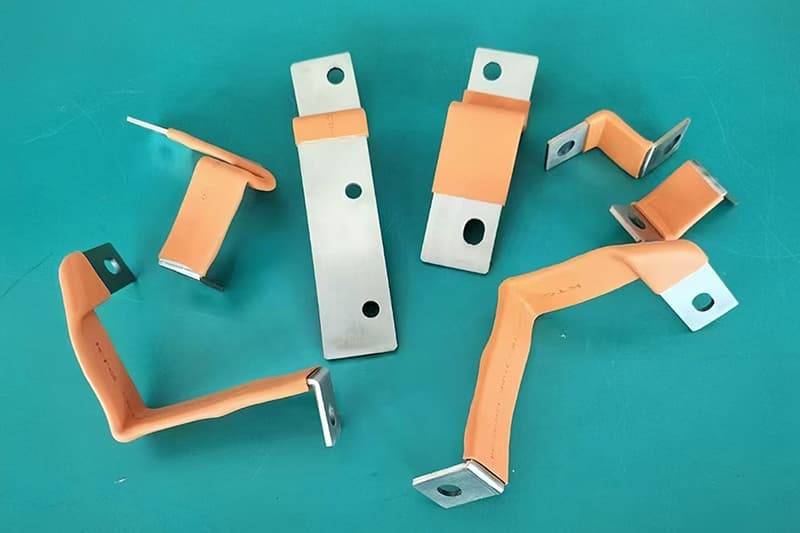
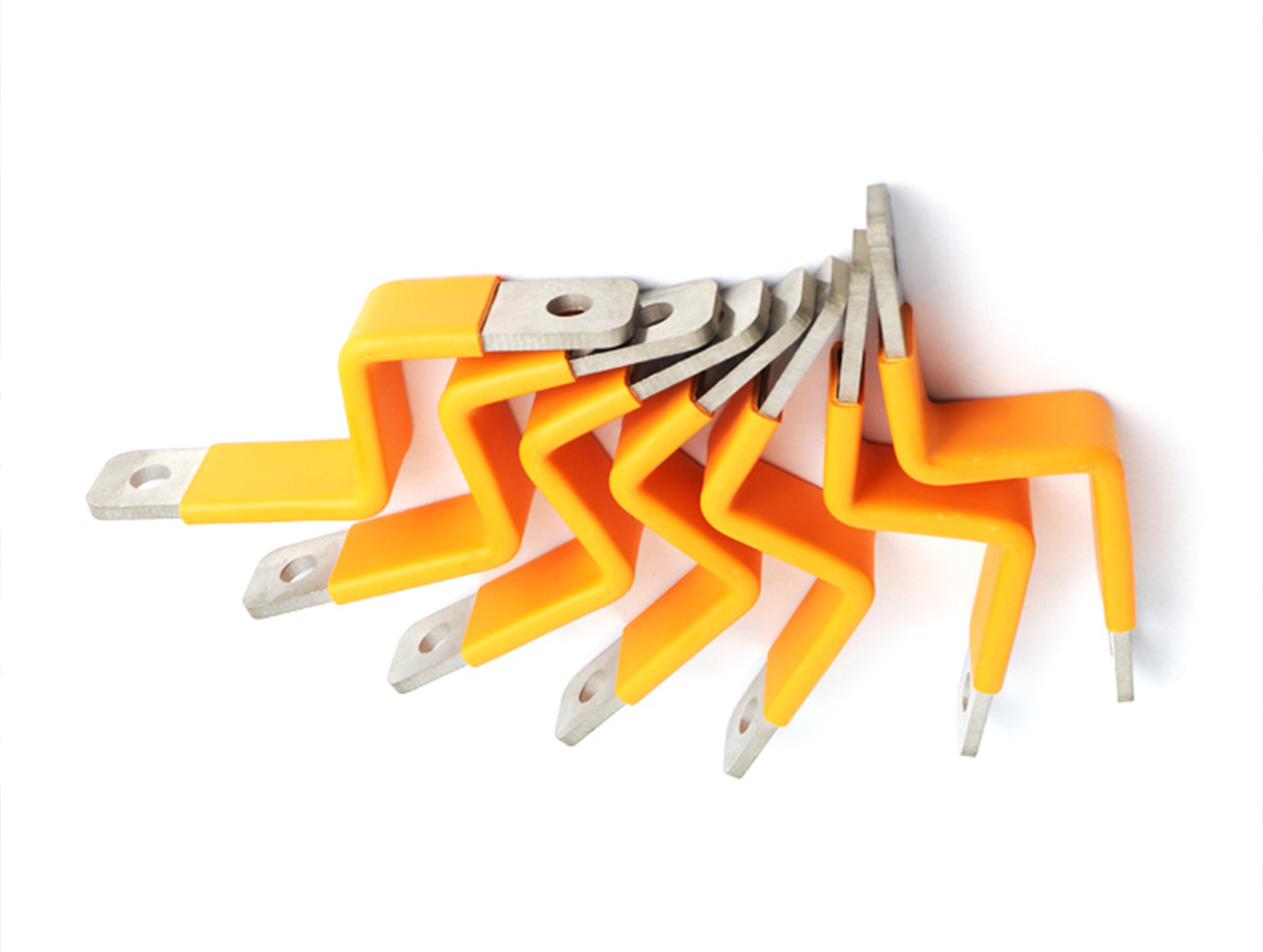
Copper busbar tensile strength of 200-250 MPa supports cold bending forming (minimum bending radius of 50mm), while the aluminum busbar is prone to cracks. For example, the flatness error of 90°bending copper busbars in a GGD distribution cabinet can be controlled within 1mm to meet the needs of precision equipment installation.
II. Diversified application of copper busbar in electrical engineering
A. “Main artery” of distribution system
In GGD low-voltage cabinets, copper busbars are used as the main busbar to connect circuit breakers, disconnect switches, and other components, and their layout directly affects the stability of the system. Take the feeder cabinet as an example:
- Cabinet top inlet: ABC three-phase busbar extends 200mm from the top of the cabinet, and the zero busbar extension length is 2.5m, which needs to be fixed by 3 times of bending.
- Double cutter outlet cabinet: the total length of copper busbars reaches 7.4m, accounting for more than 50% of the cost of the equipment, and it is necessary to reduce the rate of scrap through accurate undercutting.
B. Innovative applications in the new energy sector
In wind turbines, the copper busbars are used to connect the generator to the converter. Tinned copper busbars with a cross-sectional area of 300 mm² can carry a current of 3,000 A and are 20% more efficient than cables. In solar inverters, shaped copper busbars (e.g. T-shaped) are used to optimize the spatial layout and reduce power losses.
C. Reliability Guarantee for Industrial Equipment
Electrolysis tanks use rectangular copper busbars with a thickness of 10mm and a nickel-plated surface to resist acid and alkali corrosion, with a service life of 15 years. In high-voltage switchgear, copper busbar lap joints need to be coated with conductive paste with a contact resistance of less than 10 μΩ and ultrasonic testing to ensure that there is no false connection.
III. Standardized process and quality control of copper busbar installation
1. Processing process specification
- Punching requirements: 1 Φ12mm hole for every 500 A current, 4 holes for 2000 A system, hole position error ≤ ≤0.5mm.
- Bending limitations: cold bending angle ≥90°, no cracks at the bending, deviation of bending degree of multi-piece busbar ≤1mm.
2. Connection technical points
| Connection Mode | Applicable Scenarios | Technical Requirements |
|---|---|---|
| Bolt connection | Removable part | Spring washer + flat washer, torque value 50-70N-m |
| Welding | High-current fixed connections | TIG welding penetration depth ≥ 80% of the thickness of the base material |
| Crimping | High-frequency vibration environment | Crimping pressure ≥ 300MPa, resistance deviation ≤ 5% |
Insulation and protection measures
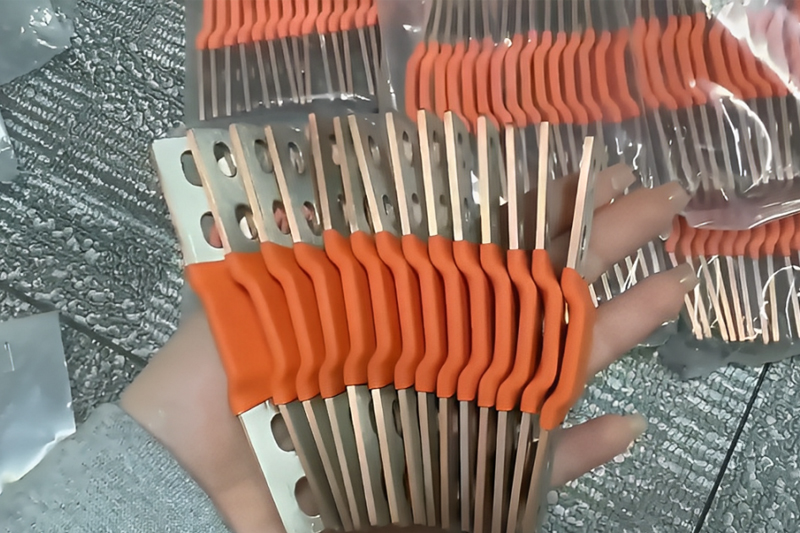
- Surface treatment: tin-plating thickness ≥ 8 μm, heat-shrinkable sleeve voltage resistance level ≥ 10 kV.
- Safe spacing: distance between phases ≥20mm; epoxy resin spacer is required when insufficient.
VI. Industry Challenges and Sustainable Development Paths
- 10. Cost optimization and environmental upgrade
Copper price fluctuations lead to raw material costs accounting for more than 60%; the “waste discharge reuse” process can reduce the loss rate to less than 3%. EU RoHS standards require the lead content of the plating to be <0.1%, promoting the application of environmentally friendly technologies such as cyanide-free plating.
V. Future Trends: Intelligent and New Materials
- Digital processing: the use of laser cutting + CNC bending machine, precision increased to ± 0.1mm, processing efficiency increased by 3 times.
- Composite copper busbar: copper-aluminum laminated materials used in new energy vehicles, weight reduction of 40%, cost reduction of 25% (Source: [Copper Ki magnesium conductive copper busbar])
Conclusion
As the electrical system, the technological evolution of copper bushing is directly related to the reliability and energy efficiency of power equipment. From the precision processing of power distribution cabinets to the innovative design of new energy equipment, the application scenarios of copper bushing are constantly expanding. The industry needs to further promote standardized installation processes, environmentally friendly processes, and intelligent manufacturing to meet the challenges of cost and sustainability. For copper busbar selection and quoting tools, visit the Jadobond PCBA Technology Center for professional support.
Related Post
Why can’t a copper busbar and an aluminum busbar be directly connected?
[email protected]2025-12-08T02:54:03+00:00December 8th, 2025|0 Comments
Introduction Copper busbars and aluminum busbars are the two most commonly used conductive materials in the field of power systems and industrial distribution. Due to differences in cost, resource availability, and technical requirements, they often

How Do You Calculate the Size of a Copper Busbar?
[email protected]2025-06-06T06:54:57+00:00June 6th, 2025|0 Comments
1. Introduction to Busbar Sizing Accurate copper busbar sizing is vital for secure, dependable, and effective electric circulation. Busbars disperse high currents in switchgear and panelboards. Inappropriate sizing reasons extreme warmth, power loss, voltage
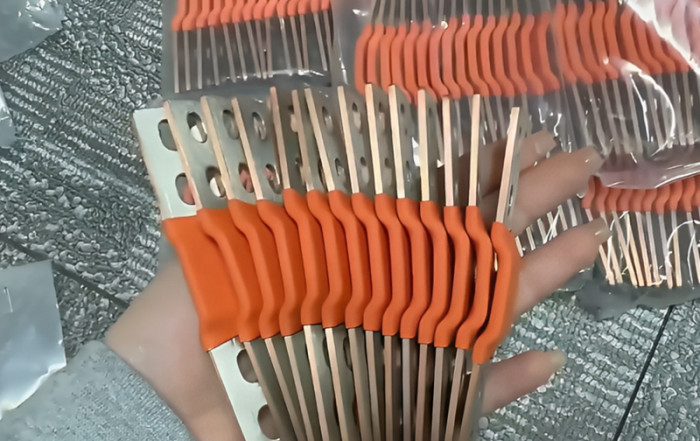
10 Essential Tips for Working with Copper Busbars
[email protected]2025-06-03T06:35:28+00:00June 3rd, 2025|0 Comments
In modern power systems, copper busbars have actually become a core element in power transmission and distribution because of their superb electric conductivity, rust resistance and mechanical strength. As a specialist manufacturer of copper
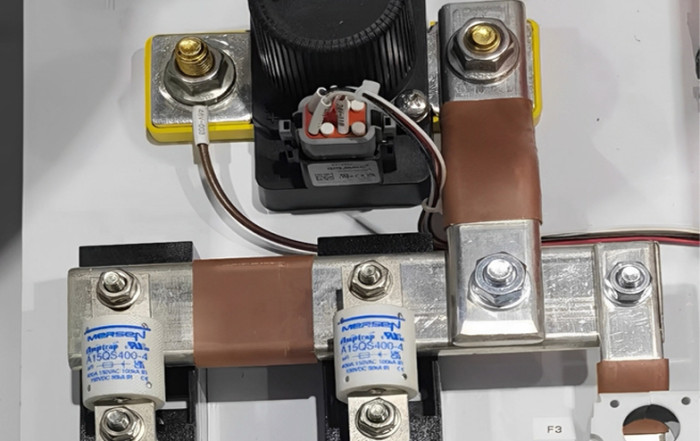
A Guide to Maintaining Copper Busbars Effectively
[email protected]2025-05-28T06:09:36+00:00May 28th, 2025|0 Comments
As a core component of power transmission systems, copper busbars are an important choice for industry due to their high electrical conductivity, corrosion resistance and mechanical strength. However, the durability of its performance is
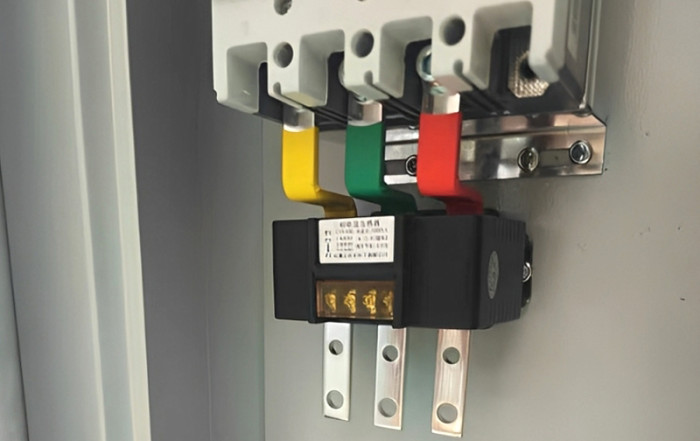
How to Install Copper Bus Bars for Electrical Systems
[email protected]2025-05-27T07:25:44+00:00May 27th, 2025|0 Comments
As a copper busbar manufacturer, we are well aware of its central role in electrical systems. With its excellent electrical conductivity, mechanical strength and corrosion resistance, copper busbar has become a key component in
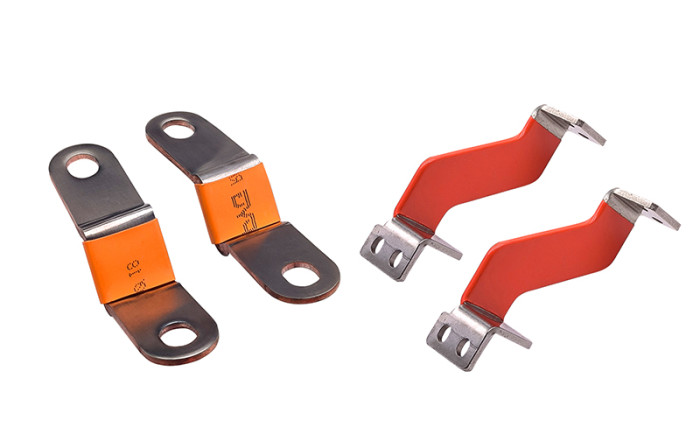
Everything you need to know about copper busbars
[email protected]2025-05-19T02:55:47+00:00May 15th, 2025|0 Comments
Nam lacinia arcu tortor, nec luctus nibh dignissim eu nulla sit amet maximus.
Get IN TOUCH
We Deliver Any Customize Busbars
Related Posts
Introduction Copper busbars and aluminum busbars are the two most commonly used conductive materials in the field of power systems and industrial distribution. Due to differences in cost, resource availability, and technical requirements, they often need to be connected and used in practical applications. However, directly connecting copper aluminum busbars can pose serious safety hazards.


 English
  Arabic
  German
  Spanish
  French
  Russian
  Danish
  Japanese
  Italian
  Vietnamese
  Turkish
  Dutch
Dutch  Portuguese
  Thai
Thai  Swedish
  Korean
  Greek
Greek  Polish
  Estonian
  Esperanto
  Hindi
Hindi  Indonesian
  Latvian