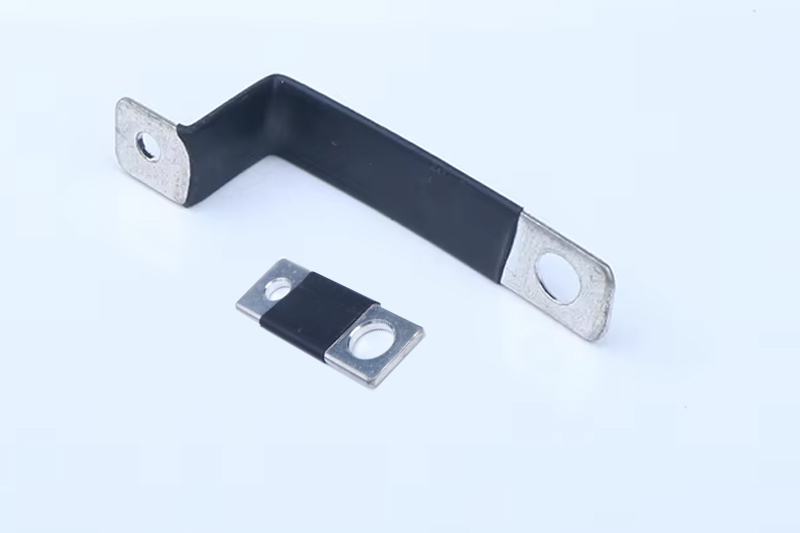
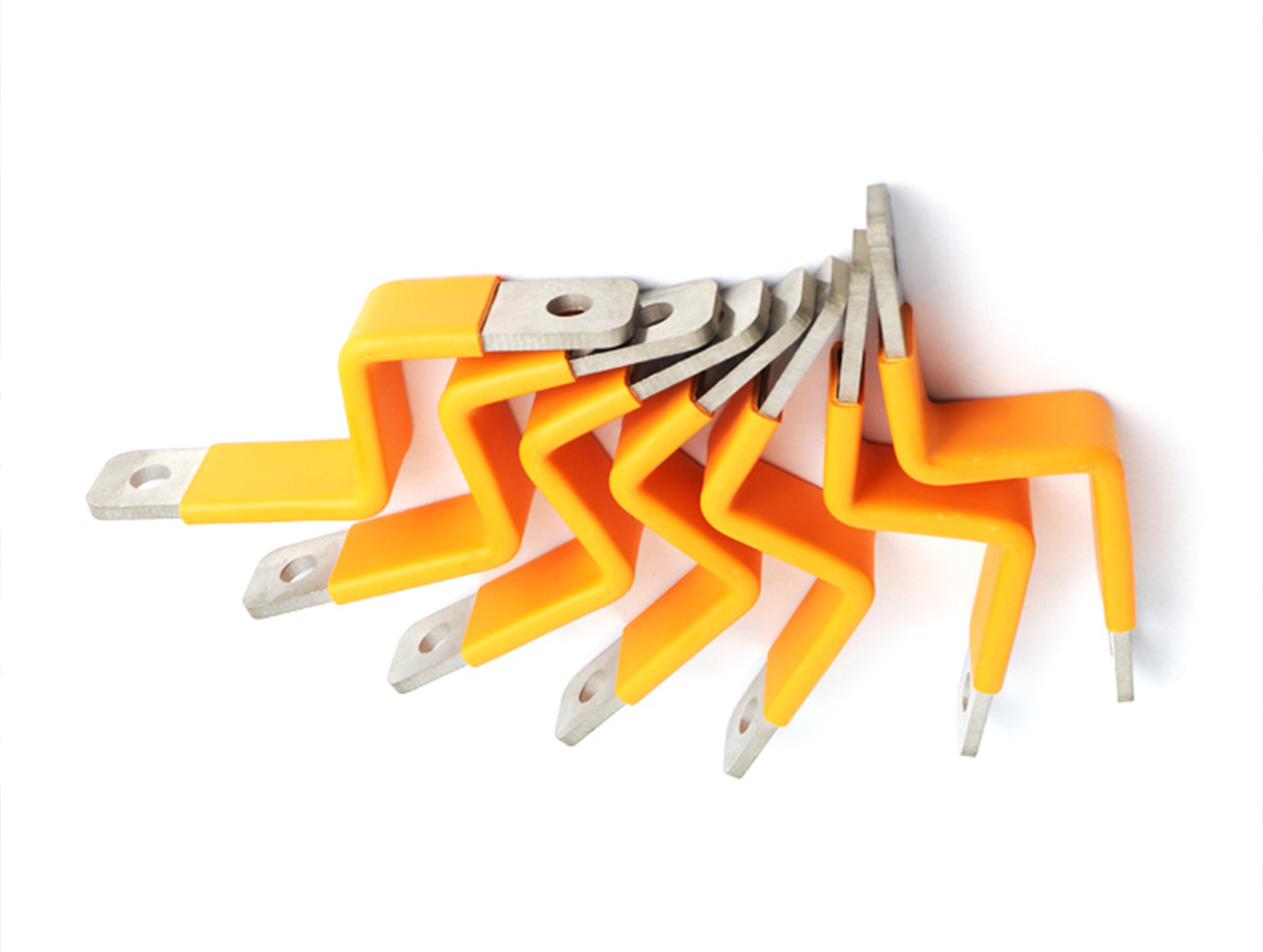
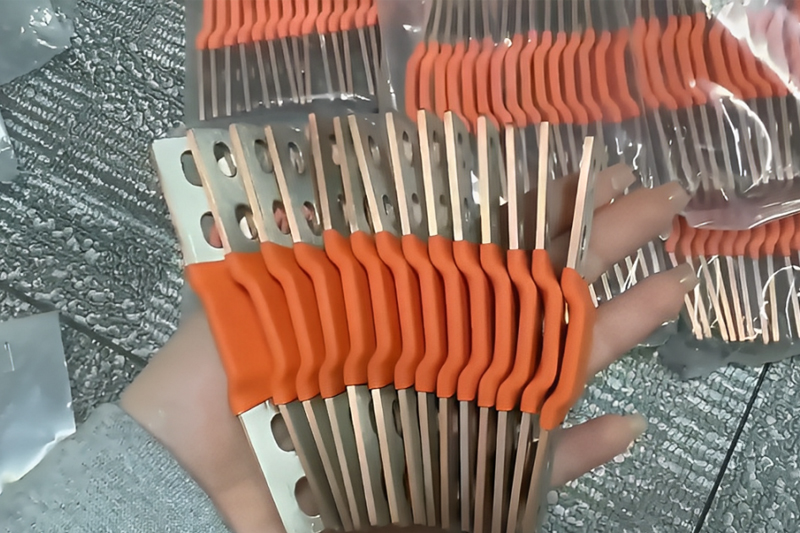
With the rapid development of the new energy industry, the high-current scenario requires increasingly stringent performance of conductive components. With its excellent conductivity, corrosion resistance, and solderability, Stan-tegita kupra busbar has become the core component of new energy vehicles, photovoltaic power generation, and other fields. This article starts from the scientific principles of tin-plating process, combined with 7 technical dimensions, in-depth analysis of the selection criteria and application strategy of the tinned copper busbar, and authoritative data comparison to provide enterprises with landing solutions.
1. Benefits of tinned copper busbar
- Plibonigo de konduktiveco kaj optimumigo de stabileco
- The conductivity of copper itself is as high as 58 S/m, but the conductivity of copper oxide on the surface decreases significantly. After tin plating, tin oxide (SnO₂) has better conductivity than copper oxide (CuO), which can reduce the contact resistance by up to 30%. Experimental data show that the temperature rise of tin-plated copper busbars is 15-20% lower than that of bare copper busbars(under the same current), which significantly reduces power loss.
- Altgradigo de koroda rezisto per saltoj kaj saltegoj
In the salt spray test, the thickness of the tin-plated layer ≥ 25 25μm copper busbar can withstand 1000 hours without corrosion, far more than the limit of 72 hours of bare copper. For example, in coastal photovoltaic power plants, the service life of tinned copper busbars can be extended to more than 15 years, reducing maintenance costs by 40%. - Plibonigo de lutado-procezo
Kiam la surfaca malglateco (Ra-valoro) de mata stana tegaĵo estas kontrolita je 0,8-1,6 μm, la ligoforto de lutado pliiĝas je pli ol 50%, kaj fidinda ligo povas esti realigita sen fluo. La Tesla Supercharger uzas ĉi tiun procezon por plibonigi veldan efikecon je 3 fojojn.
2. Stana tega procezo
| Proceza Tipo | Tegaĵo-Dikeco (μm) | Kondukto (%IACS) | Scenaroj | Kostindekso (Nuda Kupro = 1) |
|---|---|---|---|---|
| Brila Stano | 8-12 | 85-90 | Switchboards, Eksteraj Partoj | 1.8 |
| Matte Stano (Lutebla) | 12-15 | 80-85 | Konektilo Pecoj, PCB-Lutado | 2.2 |
| Varma Dip Stano | 25-40 | 75-80 | Ekipaĵo, Kemiaj Medioj | 3.5 |
- Brila Stano: Ekvilibrado de Estetiko kaj Funkcio
Taŭga por datumcentraj elektraj distribuaj kabinetoj kaj aliaj scenaroj, kiuj postulas altnivelan aspekton, kun spegula brilo (mezurita laŭ angulo de 60°) de 90GU aŭ pli, sed lutado-aplikoj devas esti evititaj. - Matte stano: la finfina solvo por industriaj ligoj
Alttemperatura rezisto povas esti pliigita ĝis 200 °C tegante nikelan baztavolon (2-5μm dikeco), kiu estas uzata en bateriomoduloj de Ningde Times, reduktante la difektan lutado-rapidecon al 0.02%. - Varmega stano: protekta baro por ekstremaj medioj
In offshore wind power projects, 40μm hot-dip tinned copper busbars are 10 times more resistant to sulfide corrosion than bare copper, which is especially suitable for industrial environments containing H₂S.
3. Tega dikeco materialo
- Elekto de dikeco
- Endoma seka medio: 12.5μm (renkontu GB/T 2423.17-normon de testnivelo 4-nivelo de sal-sprucaĵo)
- Humida/industria medio: 25μm (pasita IEC 60068-2-11 severa grado testo)
- Kemia/mara medio: ≥30μm (referu al NACE TM0172-normo)
- Neanstataŭigebleco de C110 pura kupro
C110 copper busbars with copper content ≥99.9%, conductivity up to 101% IACS, and bending formability 3 times higher than brass are the best substrates for the tin-plating process. An ultra-high voltage substation project was measured to show that the C110 copper busbar of the current-carrying capacity of 22% higher than the alloy copper.
4. Kvalita kontrolo
- Testo de unuformeco de tegaĵo
Rentgenfota fluoreskeca spektrometro (XRF) estas uzata por dikecmapado, postulante devion de ≤±10% (rilatu al ASTM B568-normo). - Testo de ligo
Trapasu la teston pri fleksado (180° fleksado sen senŝeliĝo) kaj termika ŝoko (-40°C ~ 150°C ciklo por 5 fojojn) kondiĉita de ISO 2819. - Altgradigo de procezo de ekologia protekto
Ĉefaj kompanioj adoptis procezojn de sencianidaj stanaj tegaĵoj (ekz. citratsistemoj), kiuj reduktas la toksecon de kloakaĵo per 90% kaj konformas al RoHS 3.0 normoj.
5. Industria Apliko
- Alttensia sistemo por novaj energiaj veturiloj
The BYD blade battery module adopts matte tin copper busbars, with contact resistance stabilized at below 0.15 mΩ, supporting 600 A continuous current. - PV Inverter Topologia Optimumigo
Sunny Power’s latest string inverter uses tinned copper busbars to increase the power density to 1.5W/cm³, and the efficiency breaks through 99%.
Resumu
La teknologia sukceso de stanita kupra busbar busbars is reshaping the competitive landscape of the new energy industry. From the quantum-level optimization of electrical conductivity to the reliability of extreme environments, the scientific selection of plating processes and thicknesses has become the core strategy of cost reduction and efficiency. With the strategic deployment of high-end materials, the tinned copper busbar will accelerate to aerospace, smart grid and other cutting-edge areas of penetration, opening a new era of conductive components.
Product Categories
〉 Stana kovrita kupra busdrinkejo
〉 Nikelkovrita kupra busdrinkejo
Related Post
Why can’t a copper busbar and an aluminum busbar be directly connected?
[email protected]2025-12-08T02:54:03+00:00Decembro 8th, 2025|0 Comments
Introduction Copper busbars and aluminum busbars are the two most commonly used conductive materials in the field of power systems and industrial distribution. Due to differences in cost, resource availability, and technical requirements, they often

How Do You Calculate the Size of a Copper Busbar?
[email protected]2025-06-06T06:54:57+00:00Junio 6th, 2025|0 Comments
1. Introduction to Busbar Sizing Accurate copper busbar sizing is vital for secure, dependable, and effective electric circulation. Busbars disperse high currents in switchgear and panelboards. Inappropriate sizing reasons extreme warmth, power loss, voltage
10 Essential Tips for Working with Copper Busbars
[email protected]2025-06-03T06:35:28+00:00Junio 3rd, 2025|0 Comments
In modern power systems, copper busbars have actually become a core element in power transmission and distribution because of their superb electric conductivity, rust resistance and mechanical strength. As a specialist manufacturer of copper
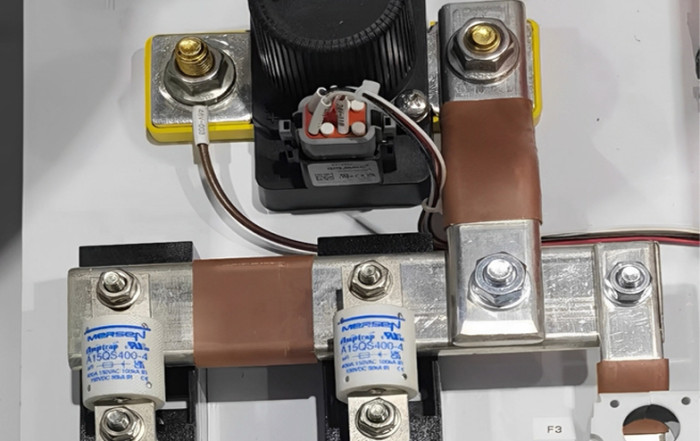
A Guide to Maintaining Copper Busbars Effectively
[email protected]2025-05-28T06:09:36+00:00Majo 28th, 2025|0 Comments
As a core component of power transmission systems, copper busbars are an important choice for industry due to their high electrical conductivity, corrosion resistance and mechanical strength. However, the durability of its performance is
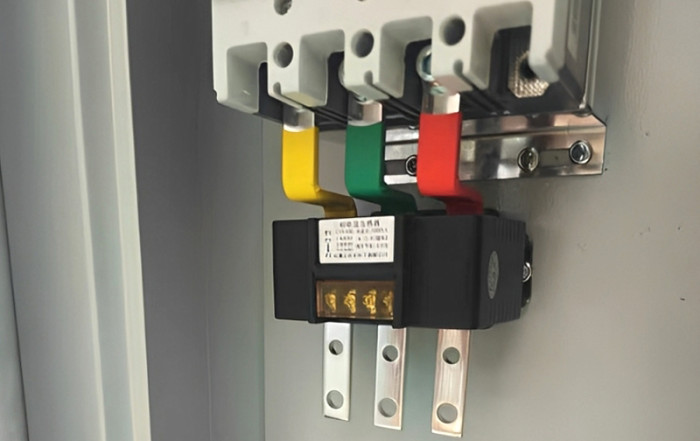
How to Install Copper Bus Bars for Electrical Systems
[email protected]2025-05-27T07:25:44+00:00Majo 27th, 2025|0 Comments
As a copper busbar manufacturer, we are well aware of its central role in electrical systems. With its excellent electrical conductivity, mechanical strength and corrosion resistance, copper busbar has become a key component in
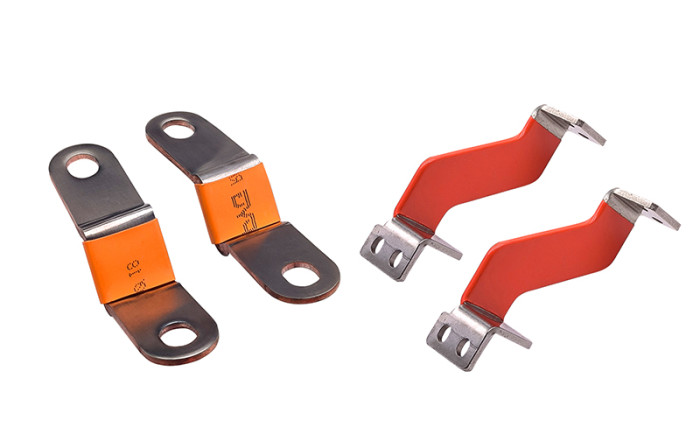
Everything you need to know about copper busbars
[email protected]2025-05-19T02:55:47+00:00Majo 15th, 2025|0 Comments
Nam lacinia arcu tortor, nec luctus nibh dignissim eu nulla sit amet maximus.
CONTACTU
Ni Liveras Iun ajn Agordajn Busbarojn
Rilataj Afiŝoj
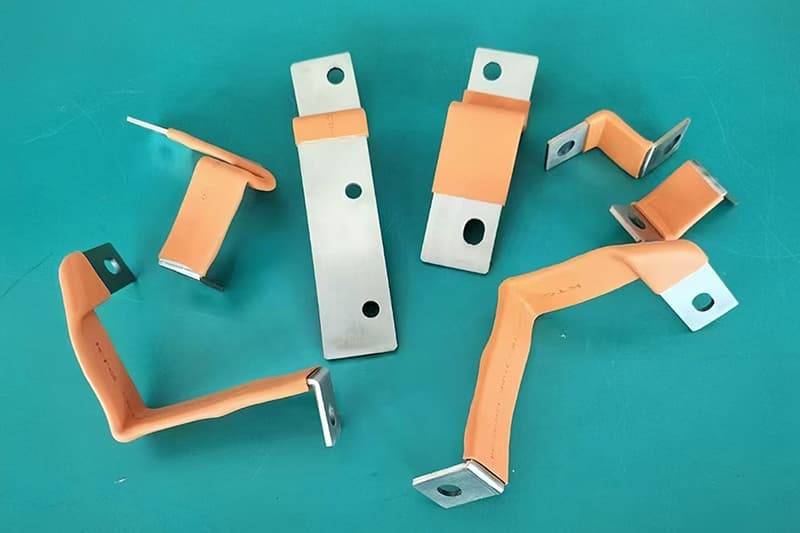
Introduction Copper busbars and aluminum busbars are the two most commonly used conductive materials in the field of power systems and industrial distribution. Due to differences in cost, resource availability, and technical requirements, they often need to be connected and used in practical applications. However, directly connecting copper aluminum busbars can pose serious safety hazards.


 Esperanto
  English
  Arabic
  German
  Spanish
  French
  Russian
  Danish
  Japanese
  Italian
  Vietnamese
  Turkish
  Dutch
Dutch  Portuguese
  Thai
Thai  Swedish
  Korean
  Greek
Greek  Polish
  Estonian
  Hindi
Hindi  Indonesian
  Latvian