As the core conductive material in power transmission and electronic equipment, the performance difference between टिन्ड कॉपर बसबार और copper busbars directly affects the reliability, life, and cost of the equipment. This paper analyzes eight dimensions of conductivity, corrosion resistance, oxidation resistance, temperature rise standards, welding process, mechanical strength, environmental protection, and economy, combined with industry standards, experimental data, and actual cases, to reveal the nature of the differences between the two and explore the technical advantages of tinned copper busbar in new energy, power equipment, and other high-end areas. The text cites GB/T 14048.1, IEC 60947-1, and other authoritative standards, as well as Jintian Copper, Bozhong New Material, and other industry-leading enterprises of the technical report, to provide readers with a systematic decision-making reference.
I. Conductivity and signal transmission stability
- Material resistivity differences
The resistivity of bare copper is about 1.7×10⁻⁸ Ω-m, while the resistivity of tin is 2.2×10⁻⁷ Ω-m. Theoretically, the tin-plated layer will increase the overall resistance of the copper busbar. However, in practice, since the thickness of the tin-plated layer is usually controlled at 3-10 μm (up to 25 μm for some high-end products), its effect is negligible. For example, Goldfield Copper’s tests show that the conductivity of tin-plated copper busbars is only about 1.5%-3% lower than that of bare copper busbars . - संपर्क प्रतिरोध अनुकूलन
The high ductility of the tin-plated layer can increase the effective contact area and reduce the contact resistance when lapped. According to the GB/T 14048.1 standard, the contact resistance K value of copper-copper tin-plated is 70-1000 μΩ, which is better than that of aluminum-aluminum (3000-6700 μΩ), while the contact resistance of bare copper busbars may increase more than 10 times if the oxidized layer is not treated in time.
II. Corrosion resistance and environmental adaptability
- ऑक्सीकरण संरक्षण तंत्र
Bare copper in a humid environment will generate a CuO or Cu₂O oxide layer (with resistivity as high as 10⁶ Ω-m), while the tin oxide (SnO₂) still maintains electrical conductivity. The salt spray test of Bozhong New Material shows that the service life of tin-plated copper busbar is 5-8 times longer than that of bare copper in the salt spray environment. - Comparison of application scenarios
| Environmental conditions | टिन-प्लेटेड कॉपर बसबार | कॉपर बसबार |
|---|---|---|
| Dry Room (Humidity <60%) | Optional (not required) | Recommended |
| Coastal High Salt Spray | Strongly Recommended (Lifetime >15 years) | Not Applicable (<3 years) |
| Chemical acid and alkaline environment | With nickel plating base layer | Prohibited |
III. Antioxidant and Long-Term Stability
- Dynamic performance degradation
After 3 months of exposure to air, surface oxidization of bare copper conductivity decreases by approximately 12%, while tinned copper conductivity decreases by only 2% over the same period. At high temperatures (> 80 ℃), the oxidation rate of bare copper accelerated, while the tin layer can withstand continuous operating temperatures below 200 ℃. - Maintenance cost comparison
A power company’s statistics show that the use of tinned copper substation average annual maintenance cost is $1200 / km, and bare copper is as high as $4800 / km (including the cost of cleaning the oxide layer).
IV. Temperature Rise Standard and Carrying Capacity Enhancement
- Differences in permissible temperature rise of national standards
| Coating Type | Allowable Temperature Rise (K) | आवेदन |
|---|---|---|
| नंगे तांबा | 60 | Ordinary Distribution Cabinet |
| Tin Plated | 65 | New Energy Battery Systems |
| Silver/Nickel Plated | 70 | High Voltage Substations |
- Carrying capacity optimization example
Ningde Times uses tin-plated copper busbars in power battery modules to increase the flow rate by 8% and reduce the temperature rise by 10°C for the same cross-sectional area.
V. Welding Process and Connection Reliability
- Welding performance comparison
The soldering success rate of tinned copper busbar can reach 98% (matte tin), while bare copper needs to be pre-plated with flux, and the success rate is only 85%. The hot-dip tinning process (thickness ≥ 25 μm) is especially suitable for automated soldering of complex-shaped parts. - Typical cases
Huawei’s 5G base station uses tinned copper busbars to connect RF modules, reducing the defective rate from 0.5% to 0.02% and saving $2.2 million in annual rework costs.
VI. Mechanical Strength and Wear Resistance
- Hardness and wear resistance index
| पैरामीटर | Tinned Copper Array | Bare Copper Array |
|---|---|---|
| Surface hardness (HV) | 80-10 | 40-60 |
| Wear resistance (10,000 times) | ≥50 | ≤10 |
- Creep resistance
Tin plating inhibits grain boundary slip of the copper matrix and reduces deformation by 30% under long-term loading.
VII. Environmental friendliness and sustainability
- RoHS Compliance
Modern lead-free tin plating processes (e.g. SnAgCu alloys) have been certified by the EU RoHS with lead content <100ppm, while traditional bare copper busbar corrosion protection paints mostly contain chromates (Class VI carcinogens). - Recycling value
The recycling rate of tinned copper busbars reaches 92%, which is higher than the 85% of bare copper (loss due to oxidation).
VIII. Economic Analysis and Cost Effectiveness
- पूर्ण जीवन चक्र लागत
| वस्तु | Tinned Copper Chop ($/km) | Bare Copper Chop ($/km) |
|---|---|---|
| Initial Purchase Costs | 12,000 | 8,500 |
| 10-Year Maintenance Costs | 3,000 | 15,000 |
| Residual Value Recovery | 9,000 | 6,800 |
| कुल लागत | 6,000 | 16,700 |
- Premium Reasonableness
High-end tin-plated copper busbars (e.g., Bozhong New Material’s 25μm plated products) are 40% more expensive than bare copper, but their failure rate in the new energy sector is reduced by 90%, and the payback cycle is shortened to 2.3 years.
निष्कर्ष
Through surface plating technology, टिन-प्लेटेड तांबे के बसबार surpass ordinary तांबे का बसबारs in terms of conductive stability, environmental adaptability, and long-term economy. With the new GB/T 14048.1-2024 standard’s enhanced requirements for electrical connection reliability and the new energy industry’s growing demand for high-density current transmission (the global market is expected to reach $8.4 billion in 2025), tinned copper is becoming the preferred solution for the power electronics industry.
Product Categories
Related Post
Why can’t a copper busbar and an aluminum busbar be directly connected?
[email protected]2025-12-08T02:54:03+00:00दिसम्बर 8th, 2025|0 Comments
Introduction Copper busbars and aluminum busbars are the two most commonly used conductive materials in the field of power systems and industrial distribution. Due to differences in cost, resource availability, and technical requirements, they often

How Do You Calculate the Size of a Copper Busbar?
[email protected]2025-06-06T06:54:57+00:00जून 6th, 2025|0 Comments
1. Introduction to Busbar Sizing Accurate copper busbar sizing is vital for secure, dependable, and effective electric circulation. Busbars disperse high currents in switchgear and panelboards. Inappropriate sizing reasons extreme warmth, power loss, voltage
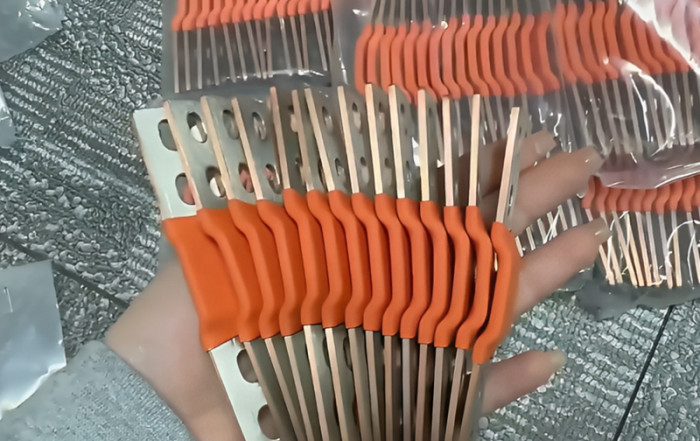
10 Essential Tips for Working with Copper Busbars
[email protected]2025-06-03T06:35:28+00:00जून 3rd, 2025|0 Comments
In modern power systems, copper busbars have actually become a core element in power transmission and distribution because of their superb electric conductivity, rust resistance and mechanical strength. As a specialist manufacturer of copper
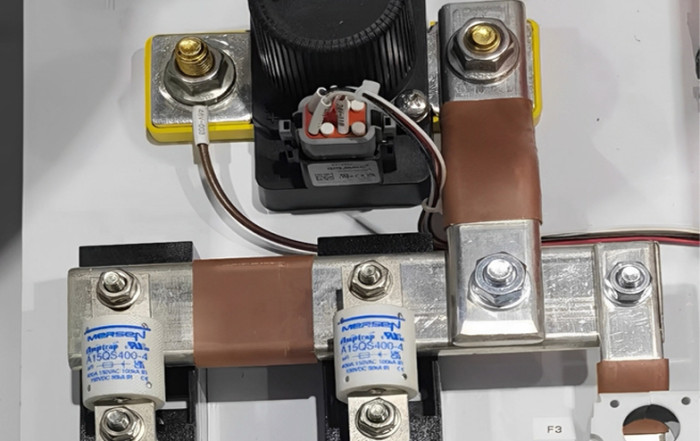
A Guide to Maintaining Copper Busbars Effectively
[email protected]2025-05-28T06:09:36+00:00मई 28th, 2025|0 Comments
As a core component of power transmission systems, copper busbars are an important choice for industry due to their high electrical conductivity, corrosion resistance and mechanical strength. However, the durability of its performance is
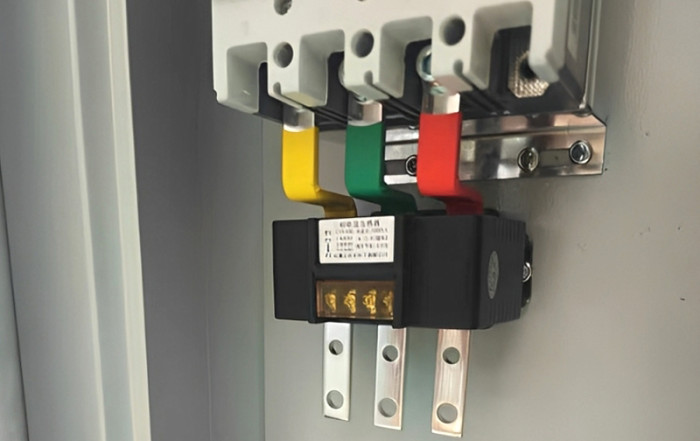
How to Install Copper Bus Bars for Electrical Systems
[email protected]2025-05-27T07:25:44+00:00मई 27th, 2025|0 Comments
As a copper busbar manufacturer, we are well aware of its central role in electrical systems. With its excellent electrical conductivity, mechanical strength and corrosion resistance, copper busbar has become a key component in
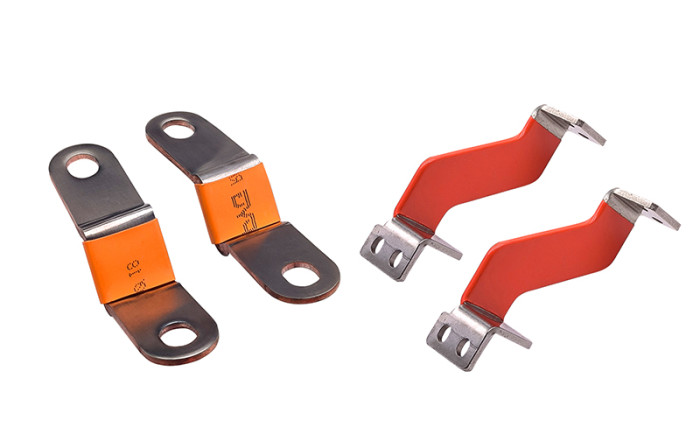
Everything you need to know about copper busbars
[email protected]2025-05-19T02:55:47+00:00मई 15th, 2025|0 Comments
नाम लासिनिया आर्कु टॉर्टर, नेक लक्टस निभ डिग्निसिम ईयू नल्ला सिट अमेट मैक्सिमस।
संपर्क में रहो
हम किसी भी अनुकूलित बसबार वितरित करते हैं
संबंधित पोस्ट
नाम लासिनिया आर्कु टॉर्टर, नेक लक्टस निभ डिग्निसिम ईयू नल्ला सिट अमेट मैक्सिमस।

नाम लासिनिया आर्कु टॉर्टर, नेक लक्टस निभ डिग्निसिम ईयू नल्ला सिट अमेट मैक्सिमस।
नाम लासिनिया आर्कु टॉर्टर, नेक लक्टस निभ डिग्निसिम ईयू नल्ला सिट अमेट मैक्सिमस।
नाम लासिनिया आर्कु टॉर्टर, नेक लक्टस निभ डिग्निसिम ईयू नल्ला सिट अमेट मैक्सिमस।

 Hindi
Hindi  English
  Arabic
  German
  Spanish
  French
  Russian
  Danish
  Japanese
  Italian
  Vietnamese
  Turkish
  Dutch
Dutch  Portuguese
  Thai
Thai  Swedish
  Korean
  Greek
Greek  Polish
  Estonian
  Esperanto
  Indonesian
  Latvian