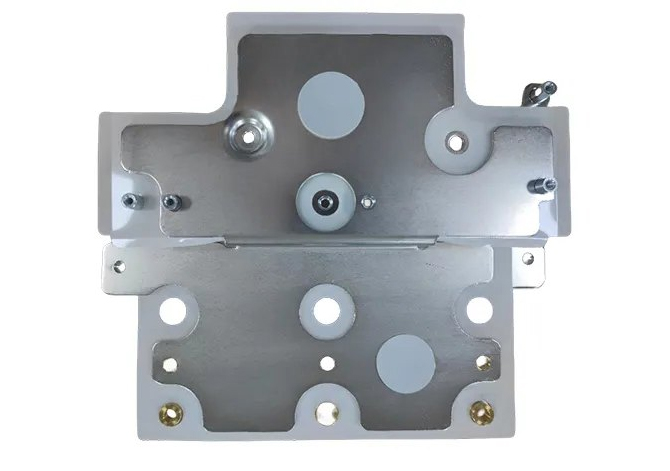
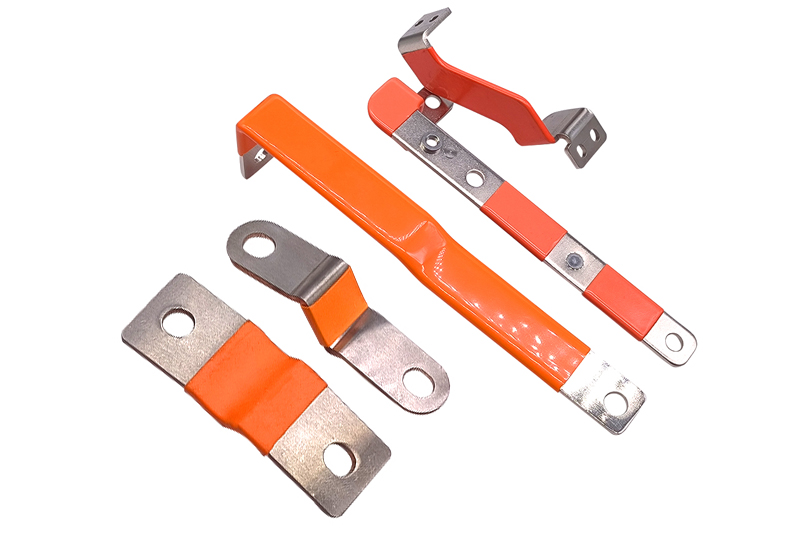
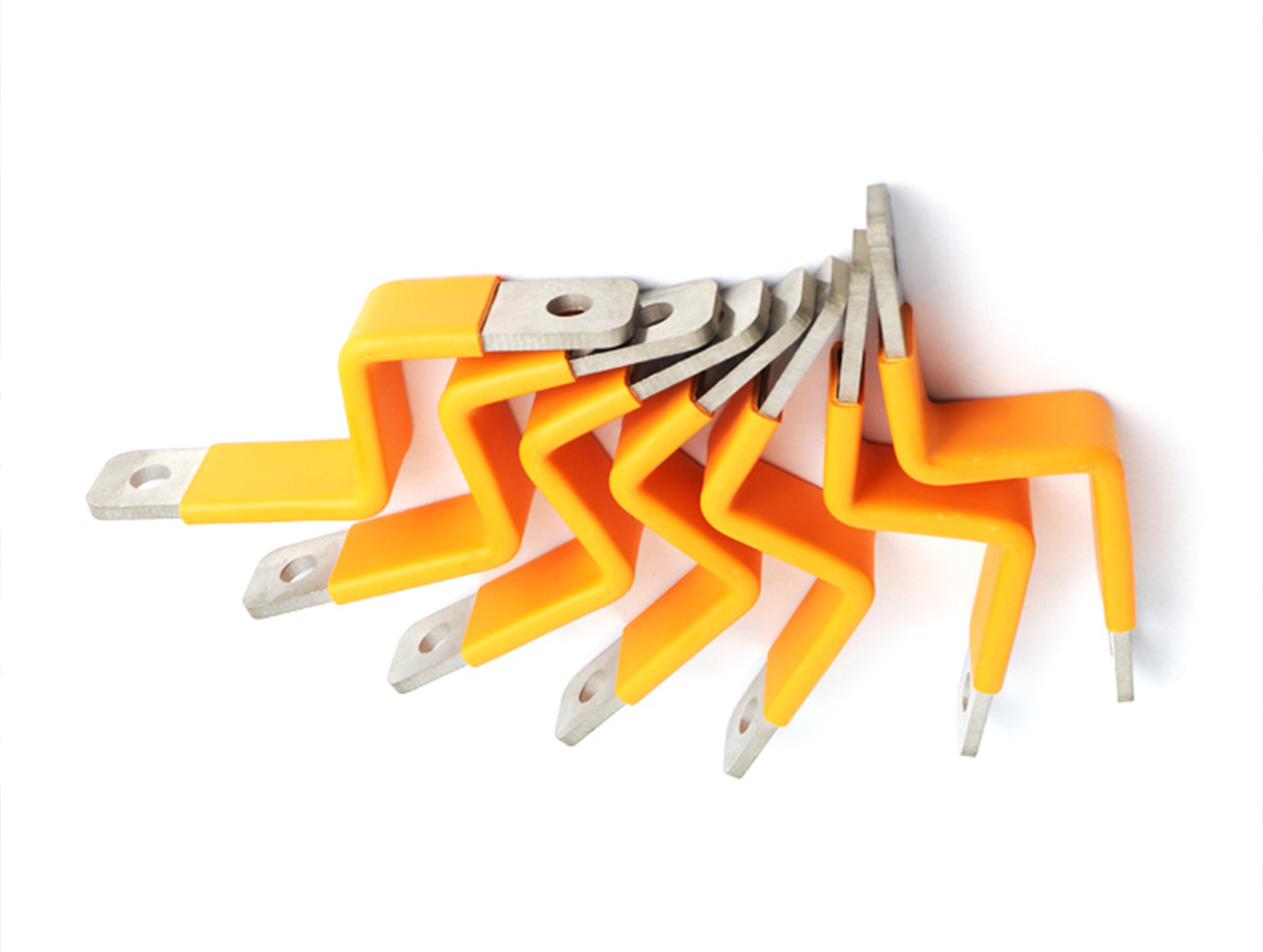
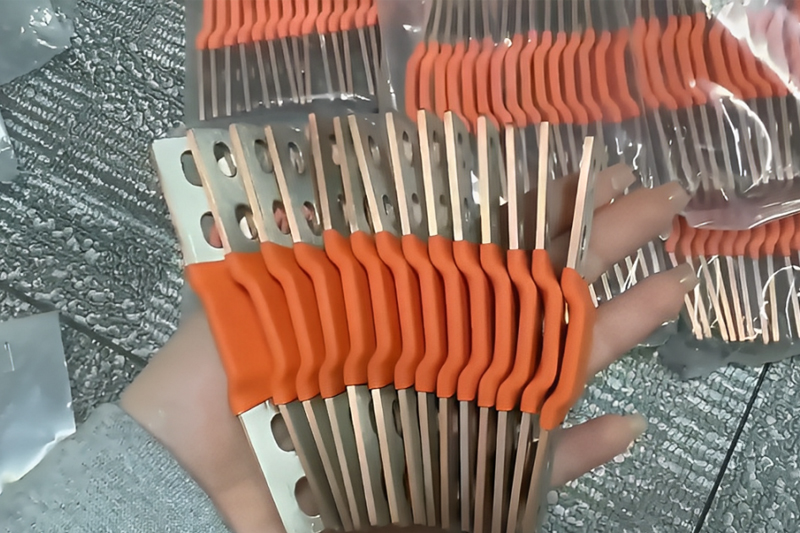
In the field of electrical engineering, a तांबे का बसबार is a key conductive element; its surface treatment process directly affects the performance and life of the equipment. Tinned copper busbars and non-tinned copper busbars are due to different treatment methods; in terms of conductivity, corrosion resistance, cost, and application scenarios, there are significant differences. This paper analyzes the five core indicators (conductivity, corrosion resistance, temperature rise control, economic cost, and application scenarios), combined with authoritative data and industry cases, for engineering design and selection to provide a scientific basis.
चालकता में अंतर
- चालकता अंतर
शुद्ध तांबे की प्रतिरोधकता 1.7×10⁻⁸ Ω-m होती है, जबकि टिन की प्रतिरोधकता 2.2×10⁻⁷ Ω-m तक होती है। हालाँकि टिन चढ़ाने से तांबे के बसबारों का समग्र प्रतिरोध थोड़ा बढ़ जाता है, लेकिन इसका फ़ायदा इसकी दीर्घकालिक स्थिरता में है।
| सामग्री का प्रकार | प्रतिरोधकता (Ω-मी) | विद्युत चालकता (आईएसीएस) |
|---|---|---|
| शुद्ध तांबा | 1.7×10⁻⁸ | 100% |
| टिन्ड कॉपर | 97% |
टिनयुक्त परत तांबे के सब्सट्रेट के ऑक्सीकरण को रोकती है और तांबे के हरे रंग (तांबा क्षार कार्बोनेट) के निर्माण के कारण होने वाले प्रतिरोध में वृद्धि से बचाती है।
- संपर्क प्रतिरोध अनुकूलन
टिन-प्लेटेड कॉपर बसबार में एक चिकनी और एकसमान सतह होती है, और संपर्क प्रतिरोध सामान्य कॉपर बसबार की तुलना में लगभग 15-20% कम हो जाता है। उदाहरण के लिए, फोटोवोल्टिक इन्वर्टर कनेक्शन में, टिन-प्लेटिंग उपचार संपर्क बिंदु पर तापमान वृद्धि को 8-10K तक कम कर देता है, जो सिस्टम दक्षता में काफी सुधार करता है।
संक्षारण प्रतिरोध में अंतर
- ऑक्सीकरण संरक्षण तंत्र
60% से अधिक आर्द्रता वाले वातावरण में साधारण कॉपर बसबार 48 घंटों के भीतर एक दृश्यमान ऑक्सीकरण परत का उत्पादन करेंगे; टिन की परत वाले टिन वाले कॉपर बसबार को ऑक्सीजन और नमी से अलग किया जा सकता है, जिससे ऑक्सीकरण प्रक्रिया 3-5 गुना धीमी हो जाती है। उदाहरण के लिए, तटीय सबस्टेशनों में टिन वाले कॉपर बसबार को अपनाने के बाद, रखरखाव चक्र को 1 वर्ष से बढ़ाकर 3 वर्ष कर दिया गया है। - अम्ल और क्षार पर्यावरण प्रतिरोध
पीएच 3-11 अम्ल और क्षार वातावरण में, टिनयुक्त कॉपर बसबार की संक्षारण दर साधारण कॉपर बसबार की संक्षारण दर का केवल 1/4 है। - विभिन्न वातावरणों में संक्षारण दर की तुलना।
| पर्यावरण प्रकार | इन-प्लेटेड कॉपर बसबार (मिमी/वर्ष) | शुद्ध तांबे के बसबार (मिमी/वर्ष) |
|---|---|---|
| तटीय नमक स्प्रे | 0.003 | 0.015 |
| औद्योगिक अम्लीय वर्षा (pH4) | 0.002 | 0.008 |
तापमान में अंतर
- तापमान वृद्धि मानक अंतर
राष्ट्रीय मानक जीबी/टी 14048.1 के अनुसार, टिन-प्लेटेड कॉपर बसबार की स्वीकार्य तापमान वृद्धि 65K है, जो साधारण कॉपर बसबार की तुलना में अधिक है, जो 50 K है। यह विशेषता समान क्रॉस-अनुभागीय क्षेत्र के तहत लगभग 10%-15% द्वारा वहन क्षमता को बढ़ाना संभव बनाती है। - थर्मल स्थिरता लाभ
टिन प्लेटिंग परतें समान रूप से वर्तमान घनत्व वितरित कर सकती हैं, जिससे स्थानीय ओवरहीटिंग का जोखिम कम हो जाता है। उदाहरण के लिए, डेटा सेंटर बस डक्ट में टिन वाले कॉपर बसबार का उपयोग करने के बाद, अधिकतम तापमान वृद्धि 75K से 62K तक गिर गई, और सिस्टम विफलता दर 40% तक गिर गई।
अनुप्रयोग परिदृश्य
- लागू क्षेत्रों के टिन-प्लेटेड कॉपर बसबार
- उच्च आर्द्रता वाले वातावरण, जैसे तटीय बिजलीघर और जहाज़ की विद्युत प्रणालियाँ
- परिशुद्ध इलेक्ट्रॉनिक्स: सेमीकंडक्टर पैकेजिंग, 5G बेस स्टेशन
- उच्च आवृत्ति परिदृश्य: नई ऊर्जा इन्वर्टर, उच्च गति रेल कर्षण प्रणाली।
- साधारण तांबे के बसबारों का किफायती विकल्प
- शुष्क आंतरिक वातावरण, जैसे वाणिज्यिक भवन वितरण कैबिनेट (राष्ट्रीय मानक GB50303-2015 गैर-टिन-प्लेटेड उपचार की अनुमति देता है)।
- अल्पकालिक परियोजनाएँ: अस्थायी विद्युत आपूर्ति सुविधाएँ, कम लागत वाले उपकरण।
निष्कर्ष
इनके बीच चुनाव टिन चढ़ाया तांबे कंडक्टर प्रवाहकीय आवश्यकताओं, पर्यावरण की स्थिति, बजट और रखरखाव लागतों के संयोजन की आवश्यकता होती है। संक्षारक वातावरण या उच्च-विश्वसनीयता परिदृश्यों में, टिनयुक्त तांबे के बसबार अपनी स्थिर चालकता और लंबे समय तक चलने वाली सुरक्षा के कारण पहली पसंद बन गए हैं, जबकि शुष्क, कम-लोड पारंपरिक परिदृश्यों में, साधारण तांबे के बसबार में अभी भी लागत लाभ हैं। भविष्य में, टिन-प्लेटिंग प्रक्रिया (जैसे नैनो-कोटिंग तकनीक) के अनुकूलन के साथ, इसके लागत-प्रभावी लाभ को और अधिक उजागर किया जाएगा।
Product Categories
Related Post
Why can’t a copper busbar and an aluminum busbar be directly connected?
[email protected]2025-12-08T02:54:03+00:00दिसम्बर 8th, 2025|0 Comments
Introduction Copper busbars and aluminum busbars are the two most commonly used conductive materials in the field of power systems and industrial distribution. Due to differences in cost, resource availability, and technical requirements, they often

How Do You Calculate the Size of a Copper Busbar?
[email protected]2025-06-06T06:54:57+00:00जून 6th, 2025|0 Comments
1. Introduction to Busbar Sizing Accurate copper busbar sizing is vital for secure, dependable, and effective electric circulation. Busbars disperse high currents in switchgear and panelboards. Inappropriate sizing reasons extreme warmth, power loss, voltage
10 Essential Tips for Working with Copper Busbars
[email protected]2025-06-03T06:35:28+00:00जून 3rd, 2025|0 Comments
In modern power systems, copper busbars have actually become a core element in power transmission and distribution because of their superb electric conductivity, rust resistance and mechanical strength. As a specialist manufacturer of copper
A Guide to Maintaining Copper Busbars Effectively
[email protected]2025-05-28T06:09:36+00:00मई 28th, 2025|0 Comments
As a core component of power transmission systems, copper busbars are an important choice for industry due to their high electrical conductivity, corrosion resistance and mechanical strength. However, the durability of its performance is
How to Install Copper Bus Bars for Electrical Systems
[email protected]2025-05-27T07:25:44+00:00मई 27th, 2025|0 Comments
As a copper busbar manufacturer, we are well aware of its central role in electrical systems. With its excellent electrical conductivity, mechanical strength and corrosion resistance, copper busbar has become a key component in
Everything you need to know about copper busbars
[email protected]2025-05-19T02:55:47+00:00मई 15th, 2025|0 Comments
नाम लासिनिया आर्कु टॉर्टर, नेक लक्टस निभ डिग्निसिम ईयू नल्ला सिट अमेट मैक्सिमस।
संपर्क में रहो
हम किसी भी अनुकूलित बसबार वितरित करते हैं
संबंधित पोस्ट
Introduction Copper busbars and aluminum busbars are the two most commonly used conductive materials in the field of power systems and industrial distribution. Due to differences in cost, resource availability, and technical requirements, they often need to be connected and used in practical applications. However, directly connecting copper aluminum busbars can pose serious safety hazards.

 Hindi
Hindi  English
  Arabic
  German
  Spanish
  French
  Russian
  Danish
  Japanese
  Italian
  Vietnamese
  Turkish
  Dutch
Dutch  Portuguese
  Thai
Thai  Swedish
  Korean
  Greek
Greek  Polish
  Estonian
  Esperanto
  Indonesian
  Latvian