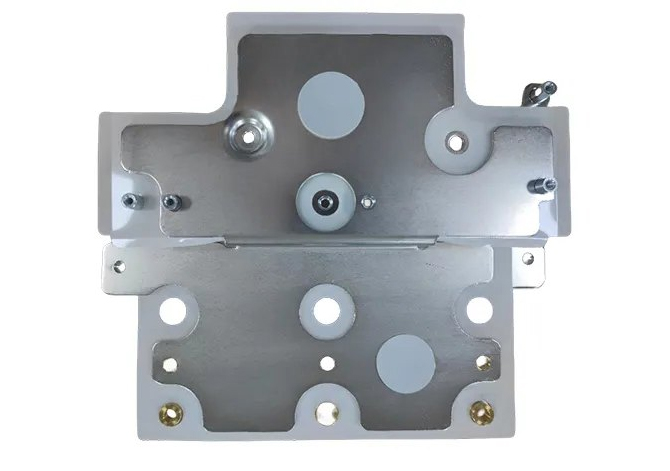
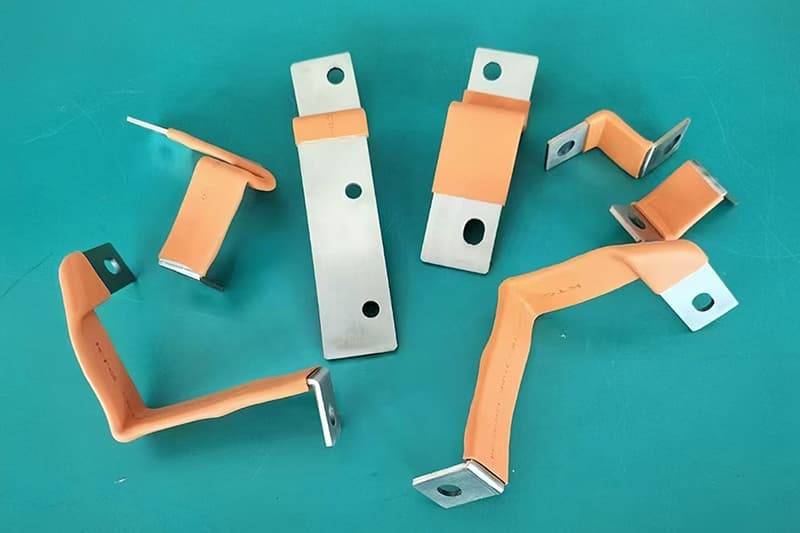
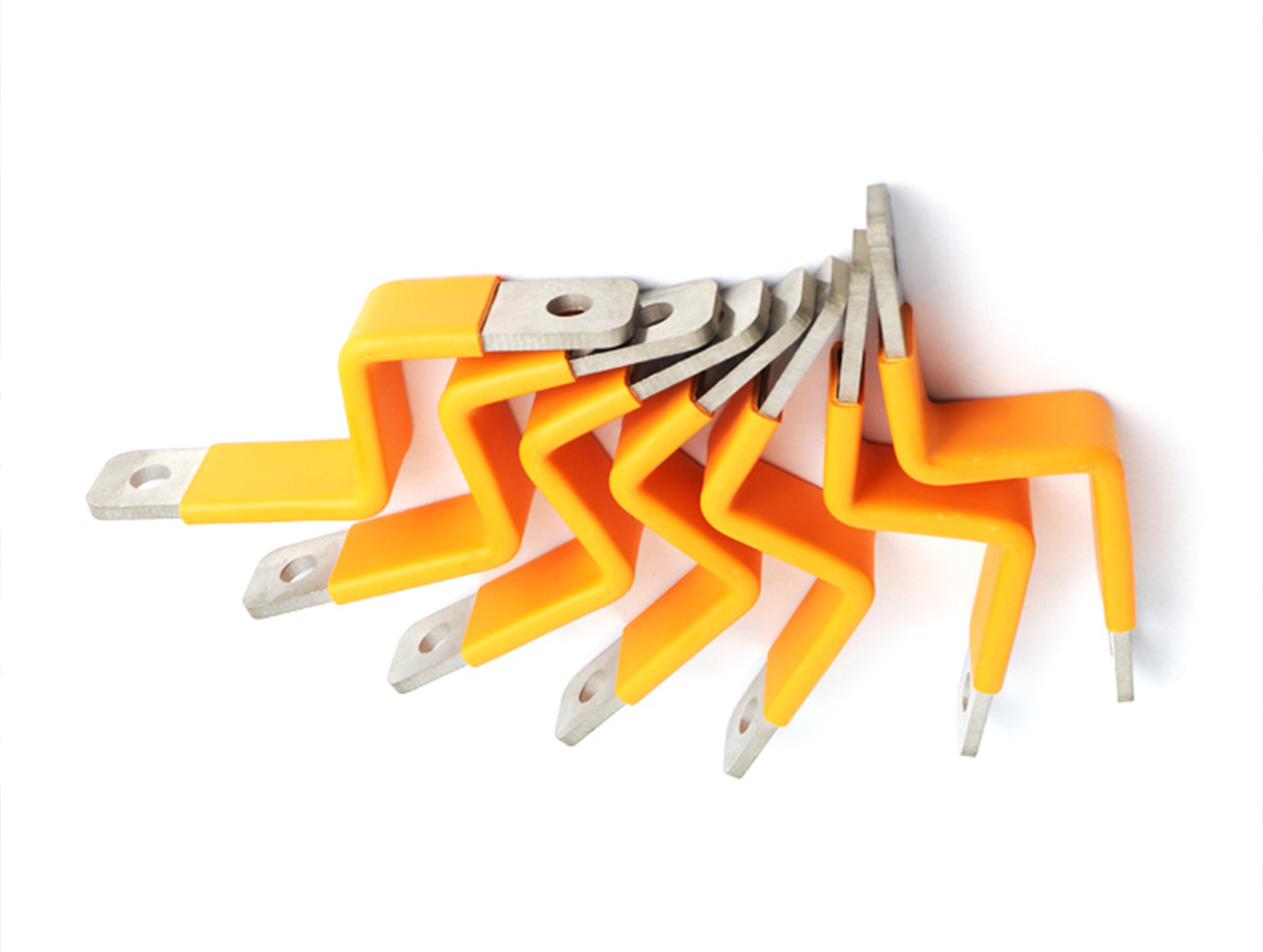
As the core conductive element of the power system, the surface treatment technology of 銅バスバー directly affects the equipment life, safety, and operational efficiency. This article systematically analyzes the technical principles and economic benefits of 8 major types of processes, such as plating treatment, chemical passivation, insulation protection, etc., combined with international standards and industry cases, revealing the key role of surface treatment in increasing the conductivity by 30% and reducing the corrosion rate by 90%. By comparing the experimental data and cost model, it provides a basis for power equipment manufacturers to make selection decisions and help them find the best balance between performance and cost.
I. Why pay attention to the surface treatment of copper busbar?
Industry research shows that the annual loss of power accidents due to copper corrosion exceeds 5 billion dollars (IEC 2024 report). Untreated bare copper busbars exposed to air for 72 hours that produce oxidized black spots have contact resistance increased by 40% (ASTM B152 test data). Surface treatment technology achieves breakthrough performance through a triple barrier mechanism:
- Physical Barrier: Plating/coating isolates from oxygen and moisture.
- Electrochemical protection: passivation film inhibits anodic reaction.
- Structural Strengthening: Sandblasting enhances surface densification.
II. Comparison of the performance of the 8 treatment technologies
Comparison of surface treatment technology parameters for copper busbars
Core Technology Explanation
- Tin plating: the first choice for economical corrosion protection
The combined pickling-tinning process stabilizes contact resistance below 15 μΩ-cm² (22% lower than bare copper). After an automobile manufacturer adopted the methanesulfonate tin plating system, the life span of the copper busbars was extended from 5 to 15 years, and it complies with the RoHS environmental protection directive.
- Silver plating technology: the pinnacle of conductive performance
0.3μm silver plating can increase the current-carrying capacity by 25%, especially suitable for high-current scenarios above 5000A. Siemens adopts pulse silver plating process to reduce the temperature rise of switchgear from 65℃ to 42℃.
- Chemical passivation innovation
Benzotriazole (BTA) passivation solution can form a 1.2nm dense film layer in 3 minutes, and the neutral salt spray test breaks through in 96 hours (national standard GB/T 10125). Huawei’s 5G base station project verified that the process reduces operation and maintenance costs by 40%.
- Insulation Coating Breakthrough
DuPont Teflon® coating maintains 85% conductivity while resisting breakdown voltage up to 15 kV/mm. Mexican wind farm application cases show a 90% reduction in insulation failure rate.
III. Economic Value Modeling of Surface Treatment
Calculated on the basis of the annual usage of 1000 meters of copper busbars:
- Direct cost: tin-plating process increases $1,000, but reduces $7,000/year corrosion replacement costs
- Hidden benefits: Conductivity increase of 3%-5% energy efficiency optimization, equivalent to saving $2,000/year electricity costs
- ROI cycle: most processes payback in 8-14 months (see chart below)
IV. Industry Trends and Standards Evolution
- Environmental transformation: EU will ban cyanide-containing plating solution in 2027, promoting the popularization of cyanide-free tin plating process
- Intelligent upgrading: AI coating thickness control system makes coating deviation <±0.05 μm (ISO 2064).
- The rise of composite processes: the “dual protection” solution of chemical passivation followed by graphene coating has become a hot spot for R&D.
結論
銅バスバー surface treatment has developed from a single anti-corrosion demand to a systematic project covering conductivity optimization, intelligent operation and maintenance, and green manufacturing. Manufacturers need to dynamically select process combinations according to application scenarios, for example:
- Data centers prioritize silver plating + local insulation
- Offshore platforms with nano-coating + cathodic protection
- Passivation + tin plating for civil power distribution cabinets
With the implementation of the new IEC 62973-1 standard, surface treatment technology will become the core competitiveness of power equipment exports. It is recommended that enterprises establish a full life cycle cost assessment system to grasp the market opportunity in the technology iteration.





 Japanese
  English
  Arabic
  German
  Spanish
  French
  Russian
  Danish
  Italian
  Vietnamese
  Turkish
  Dutch
Dutch  Portuguese
  Thai
Thai  Swedish
  Korean
  Greek
Greek  Polish
  Estonian
  Esperanto
  Hindi
Hindi  Indonesian
  Latvian