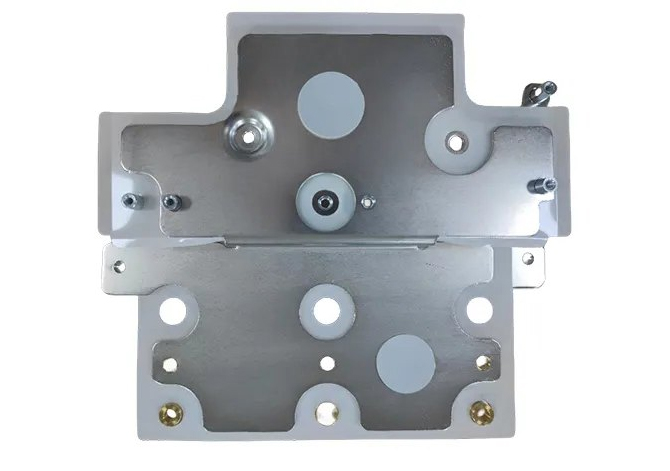
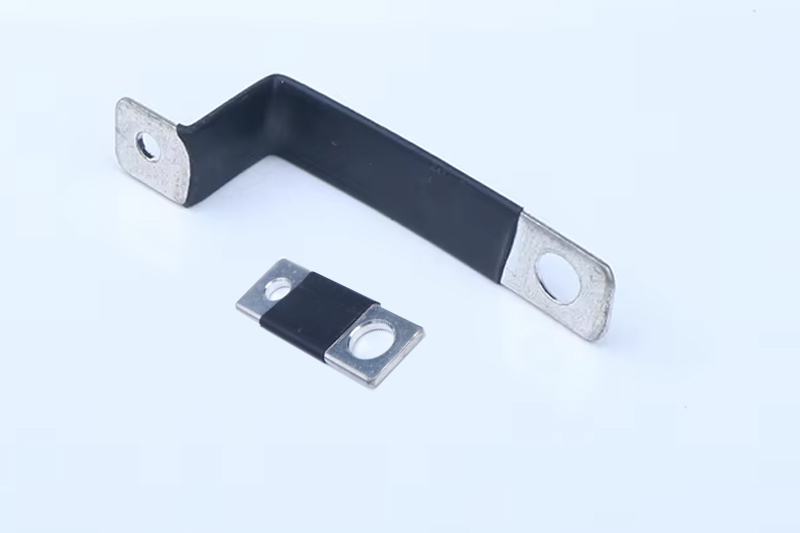
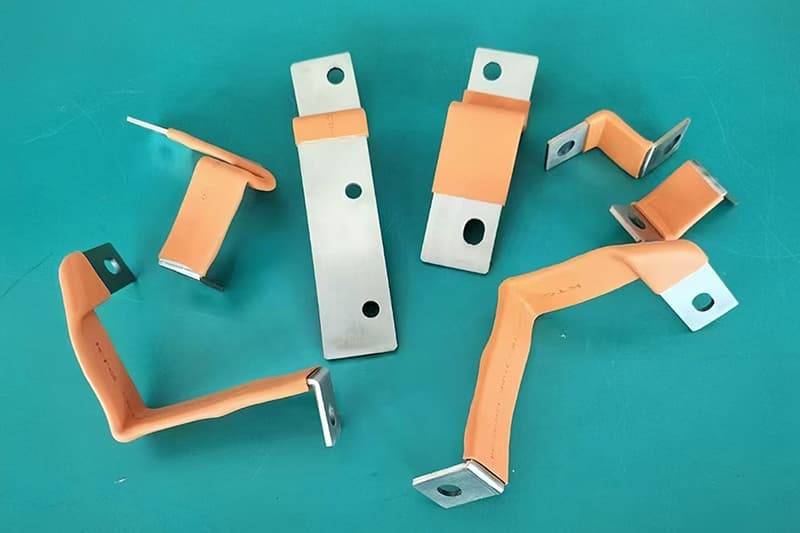
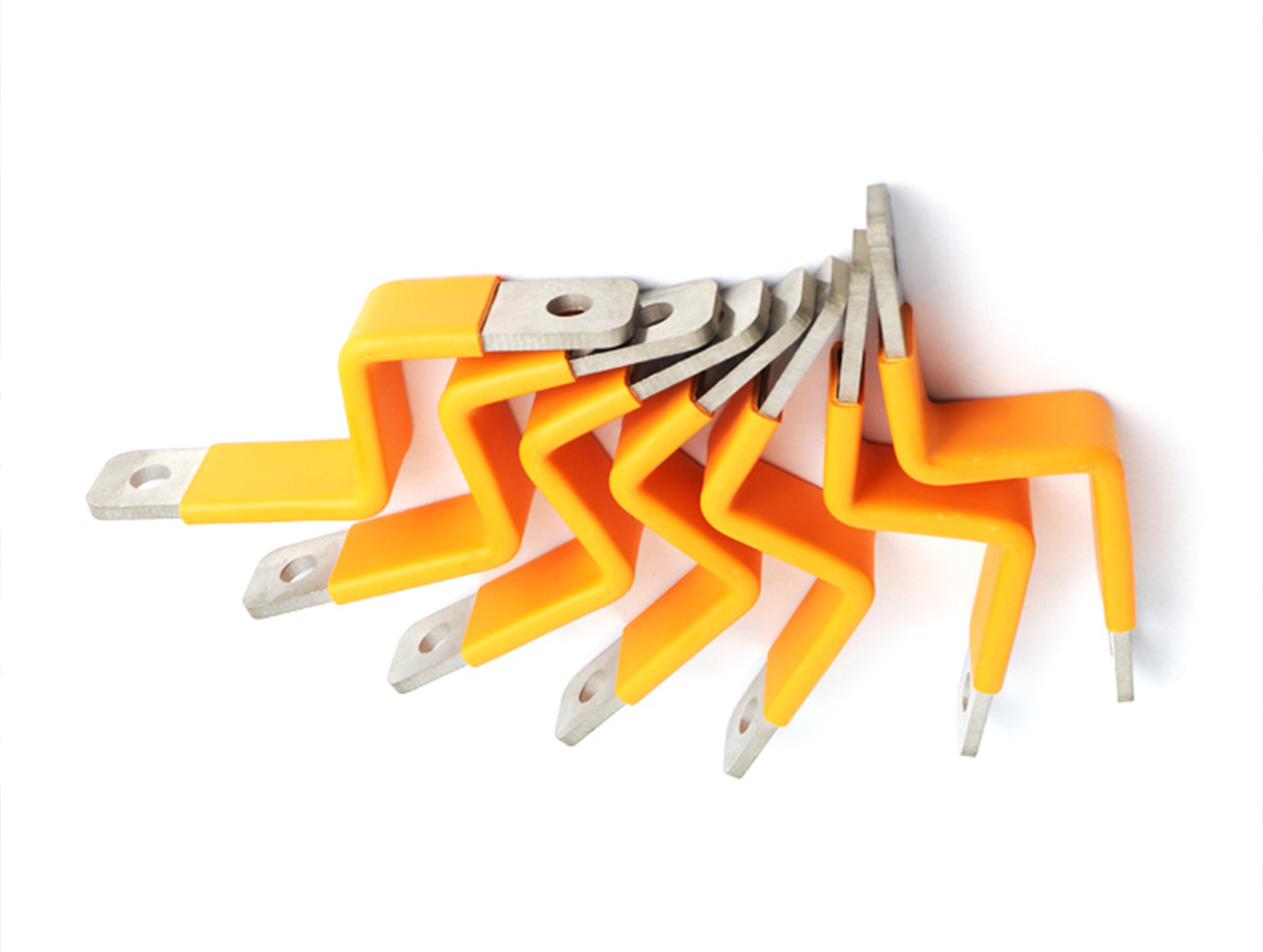
With the rapid development of the new energy industry, the high-current scenario requires increasingly stringent performance of conductive components. With its excellent conductivity, corrosion resistance, and solderability, 錫メッキ銅バスバー has become the core component of new energy vehicles, photovoltaic power generation, and other fields. This article starts from the scientific principles of tin-plating process, combined with 7 technical dimensions, in-depth analysis of the selection criteria and application strategy of the tinned copper busbar, and authoritative data comparison to provide enterprises with landing solutions.
- 導電性の向上と安定性の最適化
- The conductivity of copper itself is as high as 58 S/m, but the conductivity of copper oxide on the surface decreases significantly. After tin plating, tin oxide (SnO₂) has better conductivity than copper oxide (CuO), which can reduce the contact resistance by up to 30%. Experimental data show that the temperature rise of tin-plated copper busbars is 15-20% lower than that of bare copper busbars(under the same current), which significantly reduces power loss.
- 耐腐食性の飛躍的な向上
In the salt spray test, the thickness of the tin-plated layer ≥ 25 25μm copper busbar can withstand 1000 hours without corrosion, far more than the limit of 72 hours of bare copper. For example, in coastal photovoltaic power plants, the service life of tinned copper busbars can be extended to more than 15 years, reducing maintenance costs by 40%.
- はんだ付け工程の改善
マットスズメッキの表面粗さ(Ra値)を0.8~1.6μmに制御すると、はんだ付けの接合強度が50%以上向上し、フラックスなしで信頼性の高い接続を実現できます。テスラスーパーチャージャーではこのプロセスを採用し、溶接効率を3倍向上させています。
2. 錫メッキ工程
| プロセスタイプ |
メッキ厚(μm) |
導電率(%IACS) |
シナリオ |
コスト指数(裸銅線 = 1) |
| ブライトティン |
8-12 |
85-90 |
配電盤、外装部品 |
1.8 |
| マット錫(はんだ付け可能) |
12-15 |
80-85 |
コネクタ部品、PCBはんだ付け |
2.2 |
| ホットディップ缶 |
25-40 |
75-80 |
機器、化学環境 |
3.5 |
- ブライトティン:美しさと機能性の両立
鏡面光沢度(60°の角度で測定)が90GU以上で、高い外観レベルが求められるデータセンターの配電キャビネットなどの用途に適していますが、はんだ付けは避ける必要があります。
- マット錫:工業用接続の究極のソリューション
Ningde Times バッテリーモジュールに使用されているニッケルベース層 (厚さ 2 ~ 5μm) をメッキすることで、耐高温性を 200°C まで高めることができ、はんだ付け不良率を 0.02% まで低減できます。
- 溶融亜鉛めっき:過酷な環境に耐える保護バリア
In offshore wind power projects, 40μm hot-dip tinned copper busbars are 10 times more resistant to sulfide corrosion than bare copper, which is especially suitable for industrial environments containing H₂S.
3. メッキ厚材質
- 厚さの選択
- 屋内乾燥環境:12.5μm(GB/T 2423.17塩水噴霧試験レベル4規格に適合)
- 湿気/工業環境: 25μm (IEC 60068-2-11 過酷グレードテストに合格)
- 化学/海洋環境: ≥30μm (NACE TM0172規格を参照)
- C110純銅の代替不可能性
C110 copper busbars with copper content ≥99.9%, conductivity up to 101% IACS, and bending formability 3 times higher than brass are the best substrates for the tin-plating process. An ultra-high voltage substation project was measured to show that the C110 copper busbar of the current-carrying capacity of 22% higher than the alloy copper.
4. 品質管理
- メッキ均一性試験
厚さマッピングには蛍光X線分光計(XRF)が使用され、偏差は±10%以下である必要があります(ASTM B568規格を参照)。
- 接着試験
ISO 2819に規定された曲げ試験(180°曲げても剥がれない)および熱衝撃試験(-40℃~150℃サイクル5回)に合格しています。
- 環境保護プロセスのアップグレード
大手企業は、シアン化物を含まないスズめっきプロセス(クエン酸システムなど)を採用しており、これにより廃水の毒性が 90% 低減され、RoHS 3.0 規格に準拠しています。
5. 産業応用
- 新エネルギー車向け高電圧システム
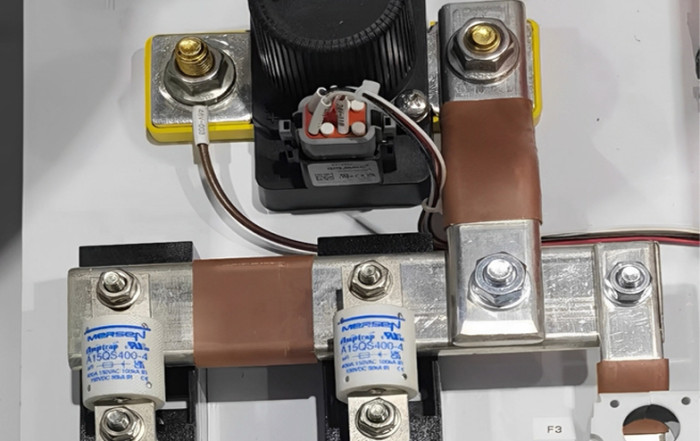
The BYD blade battery module adopts matte tin copper busbars, with contact resistance stabilized at below 0.15 mΩ, supporting 600 A continuous current.
- PVインバータトポロジー最適化
Sunny Power’s latest string inverter uses tinned copper busbars to increase the power density to 1.5W/cm³, and the efficiency breaks through 99%.
要約する
技術的なブレークスルー 錫メッキ銅バスバー busbars is reshaping the competitive landscape of the new energy industry. From the quantum-level optimization of electrical conductivity to the reliability of extreme environments, the scientific selection of plating processes and thicknesses has become the core strategy of cost reduction and efficiency. With the strategic deployment of high-end materials, the tinned copper busbar will accelerate to aerospace, smart grid and other cutting-edge areas of penetration, opening a new era of conductive components.



 Japanese
  English
  Arabic
  German
  Spanish
  French
  Russian
  Danish
  Italian
  Vietnamese
  Turkish
  Dutch
Dutch  Portuguese
  Thai
Thai  Swedish
  Korean
  Greek
Greek  Polish
  Estonian
  Esperanto
  Hindi
Hindi  Indonesian
  Latvian