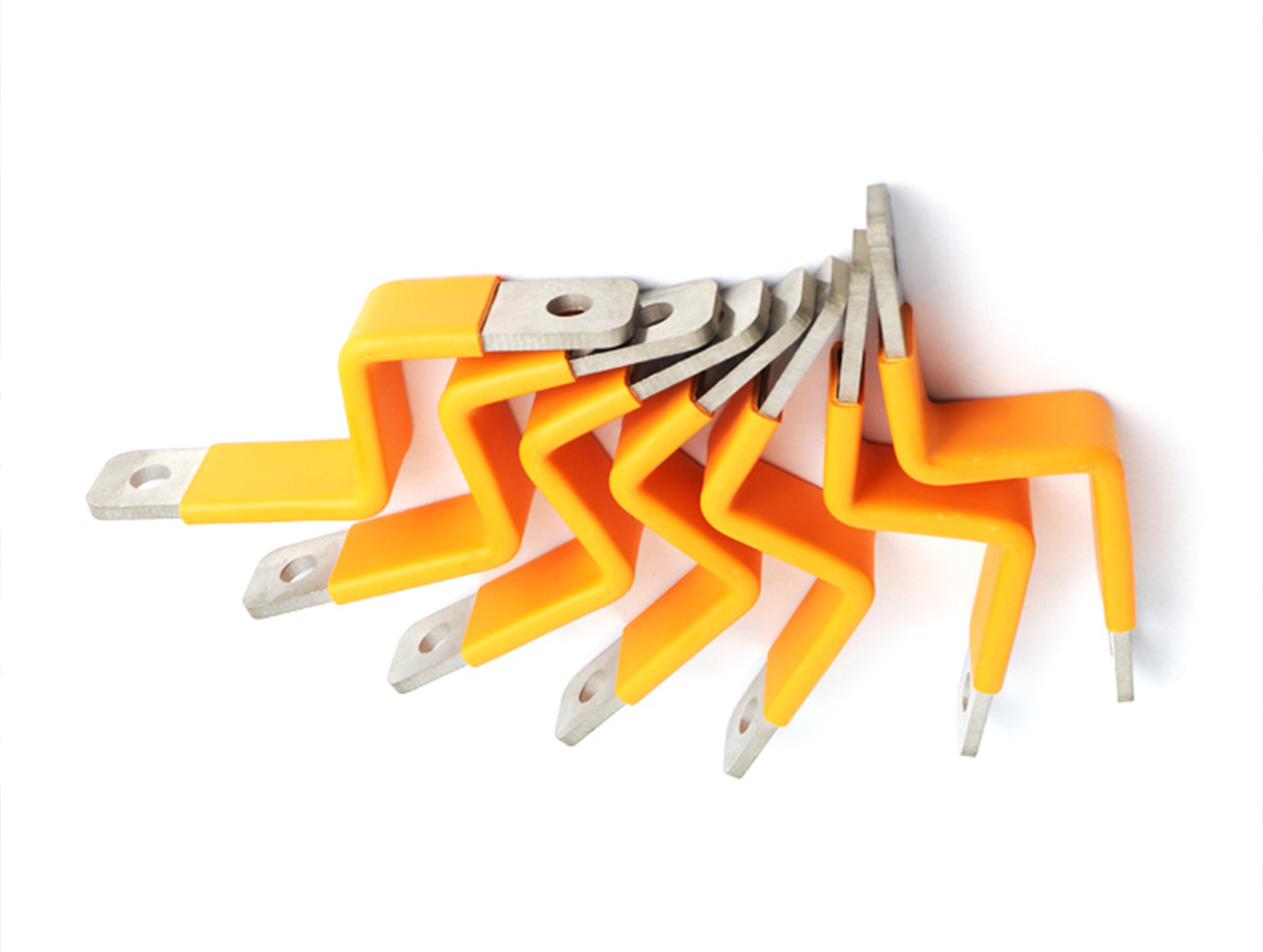
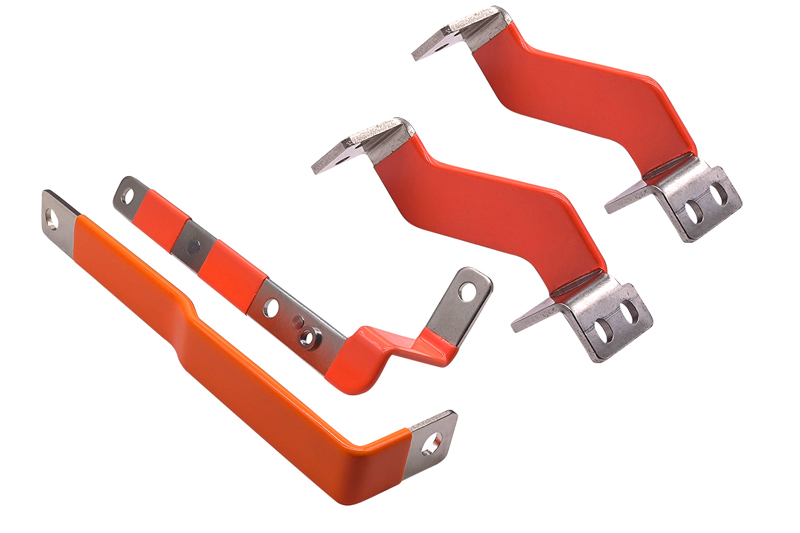
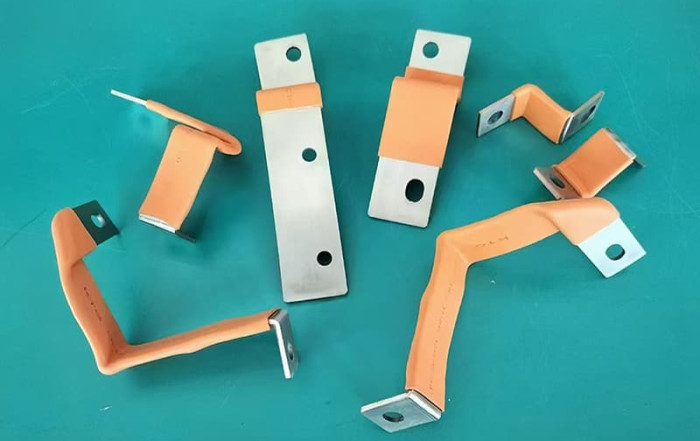
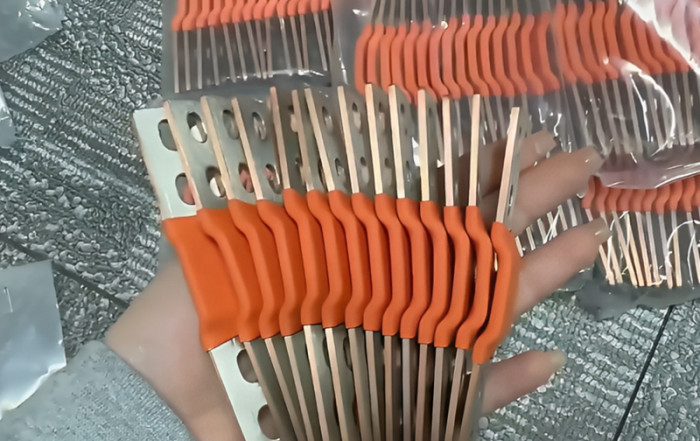
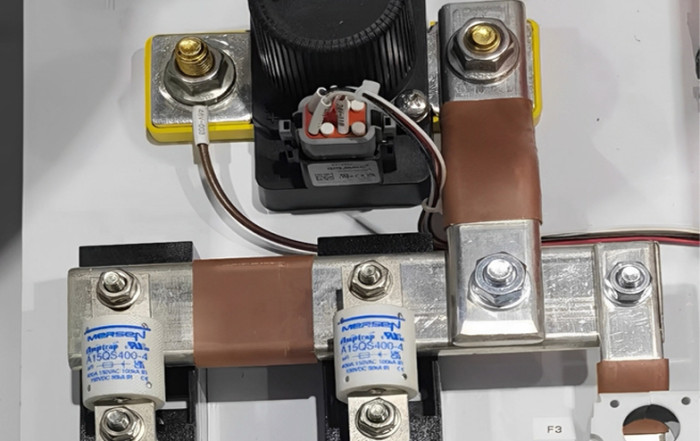
In the field of power transmission, 銅バスバー as “energy arteries” undertake more than 90% of the distribution cabinet conductive tasks. This article analyzes the conductivity, safety level, application scenarios, and other five dimensions of insulated/non-insulated copper busbars and combines the IEEE standards and practice cases of domestic leading enterprises to reveal the differences in the functional positioning of the two in the power system. The study shows that uninsulated copper busbar dominates the primary circuit by virtue of the current density advantage of 2.68 A/mm², while 絶縁銅バスバー PTFEなどの材料により42kVの耐電圧を突破し、二次回路の安全ガードとなります。
の違い 伝導率
非絶縁銅バスバーは高純度銅で作られており、電流密度は2.68〜2.12 A / mm²です。その長方形断面設計は、表面積を増やすことで自然な放熱を実現し、特に4000 Aを超える高電流伝送シナリオに適しています。対照的に、絶縁銅バスバーは、表面コーティングのインピーダンスの増加により、同じ断面積でダウンロードフローが約15%減少しますが、中空の管状構造により、KF ≤ 1のスキン効果係数でイノベーションを制御でき、KF ≥ 1.8の長方形銅バスバーよりも大幅に優れています。
| パラメータ | 非絶縁銅バスバー | 絶縁銅バスバー |
|---|---|---|
| 電流密度 (A/mm²) | 2.68(Ф100×5mm) | 2.12(断熱材付き) |
| 温度上昇(ΔT) | ≥70K | ≤40K |
| 短絡電流に対する耐性(kA/4s) | 160 | 200 |
の違い 安全保護システム
絶縁されていない銅バスバーは、125mmの空気絶縁距離(IEC 61439-2規格)に依存しており、湿潤環境では漏電の危険性があります。当社の絶縁銅バスバーは、3層の保護構造を採用しています。
- 0.5mm PTFE基板(耐熱温度-250℃~+250℃)
- 接地された銅テープシールド層(表面電位ゼロ)
- エポキシ樹脂コーティング(50kV IF電圧耐性)により、全天候型保護を実現。実験では、2mm厚のエポキシ樹脂コーティングを施した銅バスバーは、交差間隔が0mmの場合でも50kV耐電圧試験に合格できることが示されています。
アプリケーションシナリオの違い
推奨される一次回路:
非絶縁銅バスバーは、110 kV 変電所などのシナリオで主に使用され、次のような利点があります。
- 9メートルまでのスパンではサポートは不要
- 耐震性能を保証する 294 MPa の機械的強度 (絶縁銅の場合は 196 MPa)。
- 十分なスペースのある物流室に最適です。
二次回路の革新:
絶縁銅バスバーは、技術の反復を通じてアプリケーションの境界を拡大します。
- 新エネルギー車用バッテリーパック(通電容量6000A)。
- 太陽光発電インバータ用の耐アーク設計。
- コンパクトなスイッチギア(空気クリアランスが125mmから65mmに減少)。
コストの違い
絶縁銅バスバーの調達コストは 30-50% 高くなりますが、その価値は次のように反映されます。
- メンテナンスコストの削減:セラミックバイアルの破損リスクの回避(72%の故障率の低減)
- 省スペースのメリット:40%により40.5 kVスイッチギアのサイズが縮小
- 耐用年数の違い:絶縁銅バスバーの設計寿命は30年以上で、裸銅バスバーの15~20年よりはるかに長い。
テクノロジートレンド
業界データによれば、
- 材料のブレークスルー:グラフェンコーティングされた銅バスバーは導電性を 20% 向上させ、自己絶縁を実現します。
- 技術革新: 熱収縮チューブの代わりに静電噴霧を採用し、絶縁層の厚さの誤差を 0.1 mm 以下に抑えました。
- 標準アップグレード: IEEE C37.20.2 では、重要な領域でエポキシ加硫絶縁銅線の使用が義務付けられています。
結論
電力システムのアップグレードの波の中で、絶縁銅バスバーと非絶縁銅バスバーは代替ではなく、互いに補完し合う機能を果たしています。一次回路(電流容量>4000A)では、大断面積の裸銅バスバーを優先的に使用することが推奨されており、混雑した場所や新エネルギー施設などの用途では、絶縁銅バスバーを使用して二重保護システムを構築しています。新しい国家規格GB/T 5585.1-2025の実施により、 絶縁銅バスバー 市場シェアは現在の35%から2028年には52%に拡大すると予想されています。
Related Post
Why can’t a copper busbar and an aluminum busbar be directly connected?
[email protected]2025-12-08T02:54:03+00:0012月 8th, 2025|0 Comments
Introduction Copper busbars and aluminum busbars are the two most commonly used conductive materials in the field of power systems and industrial distribution. Due to differences in cost, resource availability, and technical requirements, they often
How Do You Calculate the Size of a Copper Busbar?
[email protected]2025-06-06T06:54:57+00:006月 6th, 2025|0 Comments
1. Introduction to Busbar Sizing Accurate copper busbar sizing is vital for secure, dependable, and effective electric circulation. Busbars disperse high currents in switchgear and panelboards. Inappropriate sizing reasons extreme warmth, power loss, voltage
10 Essential Tips for Working with Copper Busbars
[email protected]2025-06-03T06:35:28+00:006月 3rd, 2025|0 Comments
In modern power systems, copper busbars have actually become a core element in power transmission and distribution because of their superb electric conductivity, rust resistance and mechanical strength. As a specialist manufacturer of copper
A Guide to Maintaining Copper Busbars Effectively
[email protected]2025-05-28T06:09:36+00:005月 28th, 2025|0 Comments
As a core component of power transmission systems, copper busbars are an important choice for industry due to their high electrical conductivity, corrosion resistance and mechanical strength. However, the durability of its performance is
How to Install Copper Bus Bars for Electrical Systems
[email protected]2025-05-27T07:25:44+00:005月 27th, 2025|0 Comments
As a copper busbar manufacturer, we are well aware of its central role in electrical systems. With its excellent electrical conductivity, mechanical strength and corrosion resistance, copper busbar has become a key component in
Everything you need to know about copper busbars
[email protected]2025-05-19T02:55:47+00:005月 15th, 2025|0 Comments
ナム・ラキニア・アーク・トルトル、ネック・ルクタス・ニブ・ディグニッシム、ユー・ヌラ・シット・アメット・マキシムス。
お問い合わせ
あらゆるカスタマイズバスバーをお届けします
関連記事
Introduction Copper busbars and aluminum busbars are the two most commonly used conductive materials in the field of power systems and industrial distribution. Due to differences in cost, resource availability, and technical requirements, they often need to be connected and used in practical applications. However, directly connecting copper aluminum busbars can pose serious safety hazards.