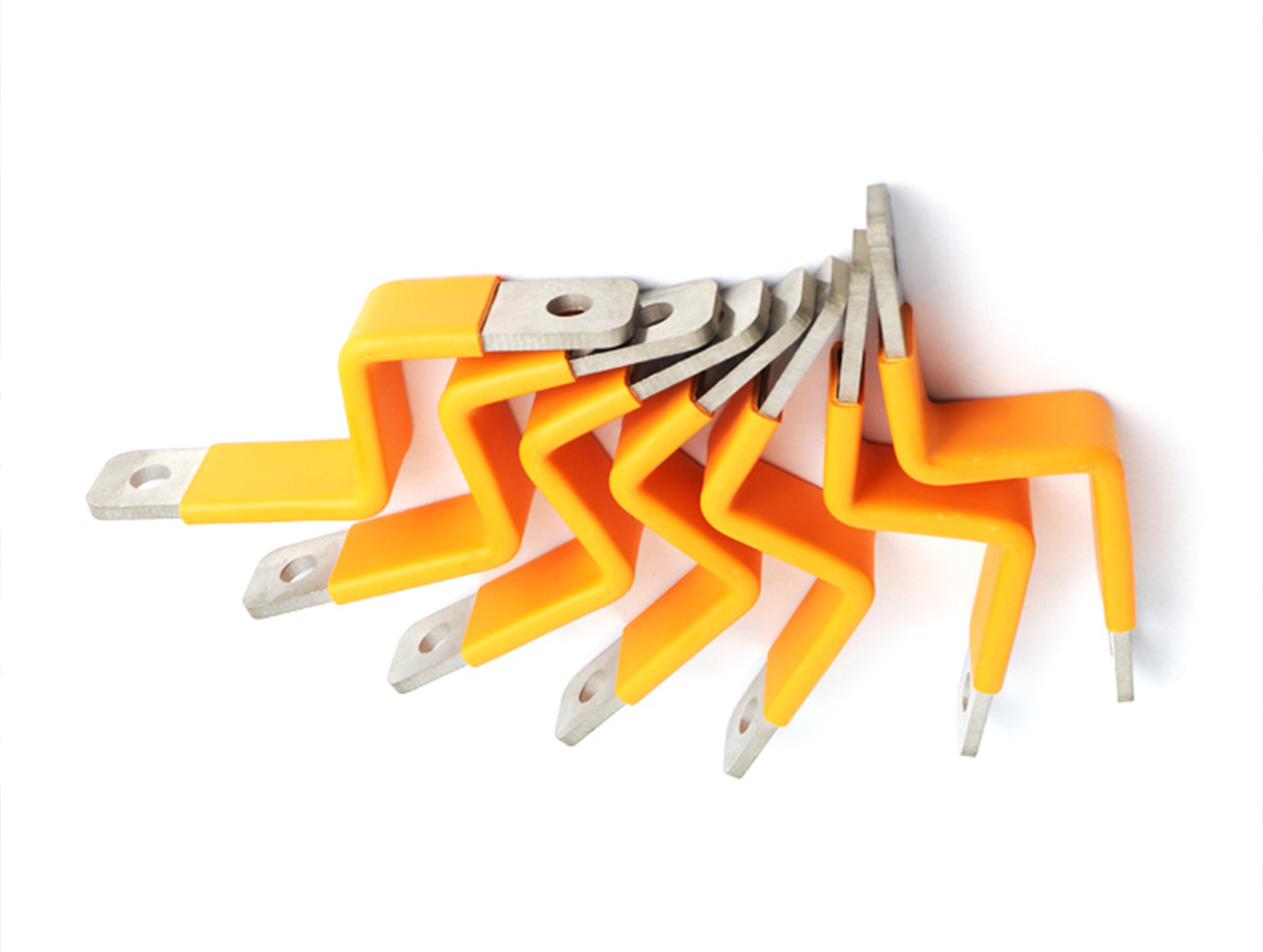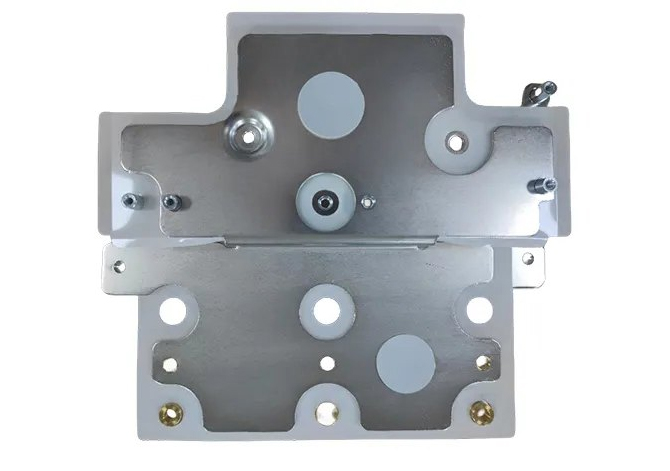
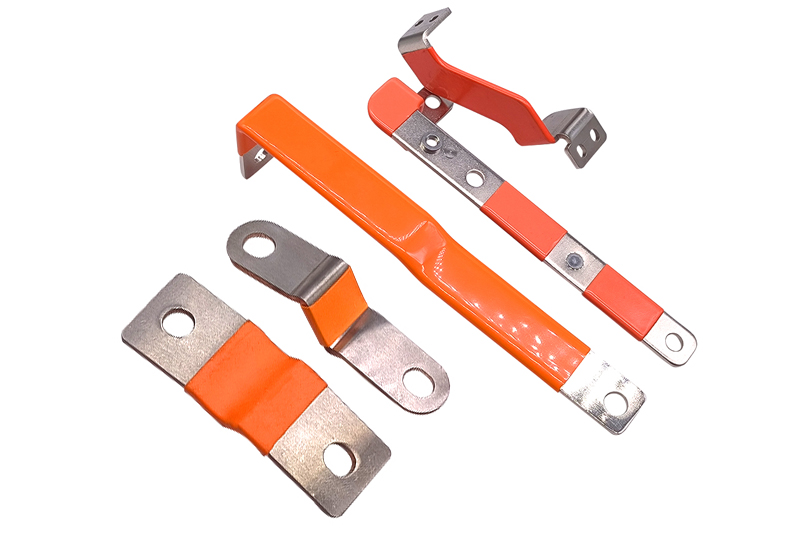
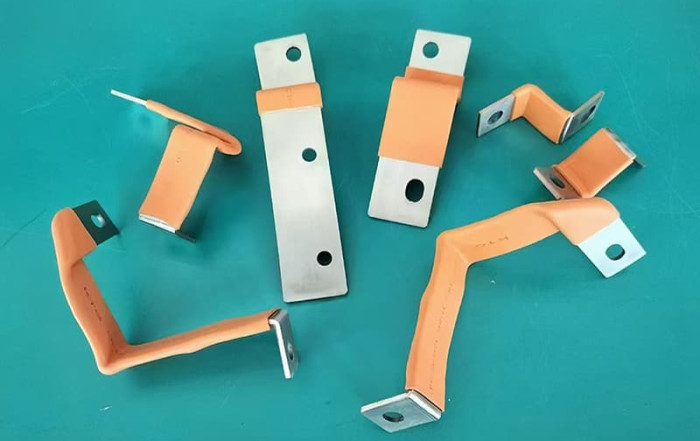
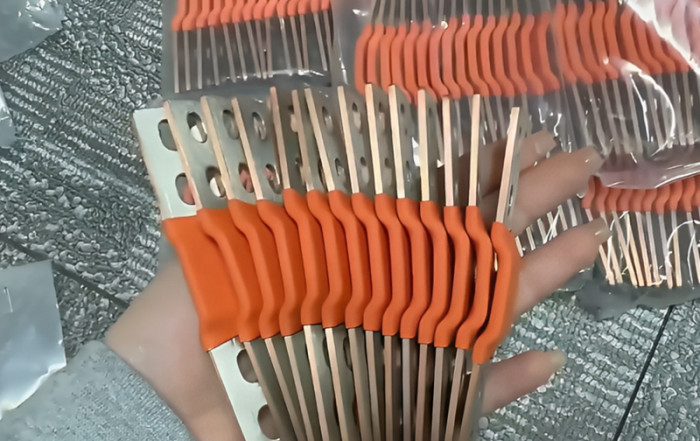
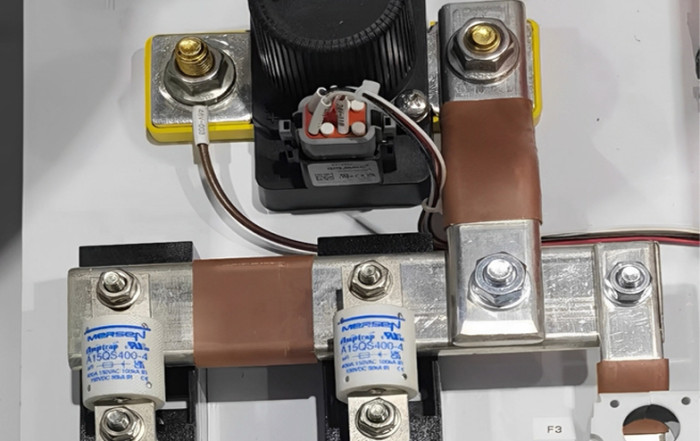
In the field of electrical engineering, a 銅バスバー is a key conductive element; its surface treatment process directly affects the performance and life of the equipment. Tinned copper busbars and non-tinned copper busbars are due to different treatment methods; in terms of conductivity, corrosion resistance, cost, and application scenarios, there are significant differences. This paper analyzes the five core indicators (conductivity, corrosion resistance, temperature rise control, economic cost, and application scenarios), combined with authoritative data and industry cases, for engineering design and selection to provide a scientific basis.
導電率の違い
- 導電率の違い
純銅の抵抗率は1.7×10⁻⁸ Ω-mですが、錫の抵抗率は最大2.2×10⁻⁷ Ω-mです。錫めっきを施すと銅バスバー全体の抵抗はわずかに増加しますが、長期的な安定性という利点があります。
| 材質タイプ | 抵抗率(Ω-m) | 電気伝導率(IACS) |
|---|---|---|
| 純銅 | 1.7×10⁻⁸ | 100% |
| 錫メッキ銅 | 97% |
錫メッキ層は銅基板の酸化を防ぎ、銅グリーン(炭酸アルカリ銅)の形成による抵抗サージを回避します。
- 接触抵抗の最適化
錫メッキ銅バスバーは表面が滑らかで均一であり、通常の銅バスバーと比較して接触抵抗が約15~20%低減されます。例えば、太陽光発電インバータの接続において、錫メッキ処理により接触点の温度上昇が8~10K低減され、システム効率が大幅に向上します。
耐食性の違い
- 酸化防止機構
通常の銅バスバーは、湿度が60%を超える環境では48時間以内に目に見える酸化層を形成します。一方、錫層を備えた錫メッキ銅バスバーは酸素と湿気から遮断されるため、酸化プロセスを3~5倍遅くすることができます。例えば、沿岸変電所に錫メッキ銅バスバーを導入した後、メンテナンスサイクルは1年から3年に延長されました。 - 酸・アルカリ環境耐性
pH 3〜11 の酸およびアルカリ環境では、錫メッキ銅バスバーの腐食率は通常の銅バスバーの 1/4 にすぎません。 - 異なる環境における腐食速度の比較。
| 環境タイプ | めっき銅バスバー(mm/年) | 純銅バスバー(mm/年) |
|---|---|---|
| 沿岸の塩水噴霧 | 0.003 | 0.015 |
| 工業酸性雨(pH4) | 0.002 | 0.008 |
温度差
- 温度上昇基準差
国家規格GB/T 14048.1によれば、錫メッキ銅バスバーの許容温度上昇は65Kで、通常の銅バスバーの50Kよりも高くなっています。この特性により、同じ断面積で約10%~15%の収容能力を増やすことができます。 - 熱安定性の利点
錫めっき層は電流密度を均一に分散させ、局所的な過熱のリスクを低減します。例えば、データセンターのバスダクトに錫めっき銅バスバーを使用したところ、ピーク温度上昇が75Kから62Kに低下し、システム故障率が40%減少しました。
アプリケーションシナリオ
- 適用分野の錫メッキ銅バスバー
- 沿岸発電所や船舶の電気システムなどの高湿度環境
- 精密電子機器:半導体パッケージング、5G基地局
- 高頻度シナリオ: 新しいエネルギーインバーター、高速鉄道牽引システム。
- 通常の銅バスバーの経済的な選択
- 商業ビルの配電盤などの乾燥した屋内環境(国家規格 GB50303-2015 では、スズメッキ処理なしも許可されています)。
- 短期プロジェクト:仮設電源設備、低コスト機器。
結論
選択は 錫メッキ銅導体 導電性要件、環境条件、予算、メンテナンスコストなど、様々な要素を考慮する必要があります。腐食性環境や高信頼性が求められる用途では、安定した導電性と長寿命の保護性能を備えた錫メッキ銅バスバーが第一選択肢となります。一方、乾燥・低負荷の従来用途では、一般的な銅バスバーは依然としてコスト面で優位性があります。将来的には、錫メッキプロセスの最適化(ナノコーティング技術など)により、そのコスト効率の優位性はさらに際立つでしょう。
Related Post
Why can’t a copper busbar and an aluminum busbar be directly connected?
[email protected]2025-12-08T02:54:03+00:0012月 8th, 2025|0 Comments
Introduction Copper busbars and aluminum busbars are the two most commonly used conductive materials in the field of power systems and industrial distribution. Due to differences in cost, resource availability, and technical requirements, they often
How Do You Calculate the Size of a Copper Busbar?
[email protected]2025-06-06T06:54:57+00:006月 6th, 2025|0 Comments
1. Introduction to Busbar Sizing Accurate copper busbar sizing is vital for secure, dependable, and effective electric circulation. Busbars disperse high currents in switchgear and panelboards. Inappropriate sizing reasons extreme warmth, power loss, voltage
10 Essential Tips for Working with Copper Busbars
[email protected]2025-06-03T06:35:28+00:006月 3rd, 2025|0 Comments
In modern power systems, copper busbars have actually become a core element in power transmission and distribution because of their superb electric conductivity, rust resistance and mechanical strength. As a specialist manufacturer of copper
A Guide to Maintaining Copper Busbars Effectively
[email protected]2025-05-28T06:09:36+00:005月 28th, 2025|0 Comments
As a core component of power transmission systems, copper busbars are an important choice for industry due to their high electrical conductivity, corrosion resistance and mechanical strength. However, the durability of its performance is
How to Install Copper Bus Bars for Electrical Systems
[email protected]2025-05-27T07:25:44+00:005月 27th, 2025|0 Comments
As a copper busbar manufacturer, we are well aware of its central role in electrical systems. With its excellent electrical conductivity, mechanical strength and corrosion resistance, copper busbar has become a key component in
Everything you need to know about copper busbars
[email protected]2025-05-19T02:55:47+00:005月 15th, 2025|0 Comments
ナム・ラキニア・アーク・トルトル、ネック・ルクタス・ニブ・ディグニッシム、ユー・ヌラ・シット・アメット・マキシムス。
お問い合わせ
あらゆるカスタマイズバスバーをお届けします
関連記事
Introduction Copper busbars and aluminum busbars are the two most commonly used conductive materials in the field of power systems and industrial distribution. Due to differences in cost, resource availability, and technical requirements, they often need to be connected and used in practical applications. However, directly connecting copper aluminum busbars can pose serious safety hazards.