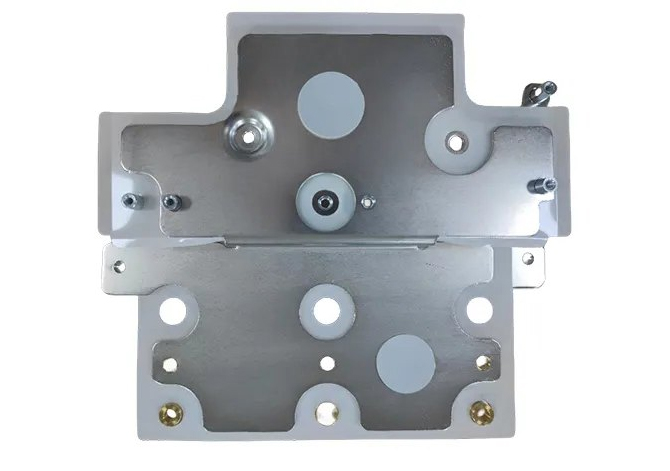
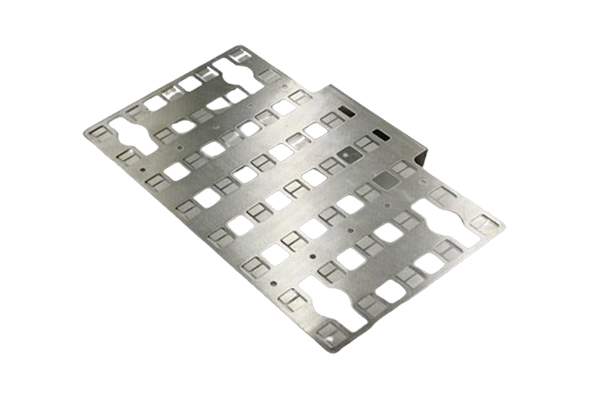
当社の錫メッキ自動車バッテリー バスバーは、自動車の電気システム内で信頼性が高く効率的な接続を提供するよう、細心の注意を払って設計されています。このバスバーは高純度銅で作られ、耐腐食性を高めるために錫の層でコーティングされており、厳しい条件でも長期間の性能が保証されます。錫メッキ仕上げは酸化を防ぐだけでなく、洗練された外観を提供し、車両の電気部品の機能性と美観の両方を向上させます。シームレスな電力分配を可能にするように設計された当社のバスバーは、自動車の電気システムの全体的な効率と信頼性に大きく貢献し、現代の自動車用途に不可欠なコンポーネントとなっています。
| 製品タイプ | 自動車用バッテリーバスバー |
|---|---|
| 銅グレード: | 高純度銅 |
| コーティング: | 錫メッキ |
| 定格電圧: | カスタマイズ可能、通常は50Aから300Aの範囲 |
| 幅: | 10mm~150mm(カスタマイズ可能) |
| 長さ: | 最大3000mm(カスタマイズ可能) |
| 厚さ: | カスタマイズ可能 |
| 動作温度: | -40°C ~ +105°C |
| 抵抗: | 接触抵抗が低く、効率的な電力供給が可能 |
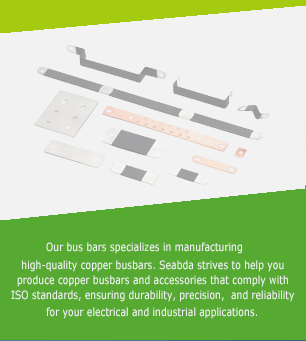
信頼できる自動車用バッテリーバスバーメーカー
What is the production for tin plated car battery busbar?
The car of busbar adopts 99.9% high purity T2 copper substrate (in line with GB/T 5231 standard), copper foil laminated molding through molecular diffusion welding technology, combined with self-developed acidic cleaning solution and plating aid system:
- Tin plating process: 0.03-0.3mm precision copper foil plating, tin layer thickness 3-12μm adjustable (standard value 6μm)
- Surface treatment: Remove oxides by sodium o-nitrophenol compound cleaner, and cooperate with tin chloride-based plating auxiliaries to realize atomic level bonding.
- Structural design: support flexible stacked structure (bending radius ≥15mm), to meet the dynamic stress requirements of EV battery packs.
How is the performance for tin plated car battery busbar?
| Parameter Category | Technical Specification |
|---|---|
| 伝導率 | ≥57MS/m (IEC 60468 standard) |
| Load Capacity | 50-300A (Temperature rise ΔT≤40K@25℃ ambient) |
| Mechanical Strength | Tensile Strength ≥379N, support 10,000 times 15° bending test |
| Environmental Adaptability | Operating Temperature -40℃~+150℃, Salt Spray Test 240h (neutral environment) |
| Safety Certification | UL94 V-0 flame retardant certification, in line with IATF 16949 automotive grade quality management system |
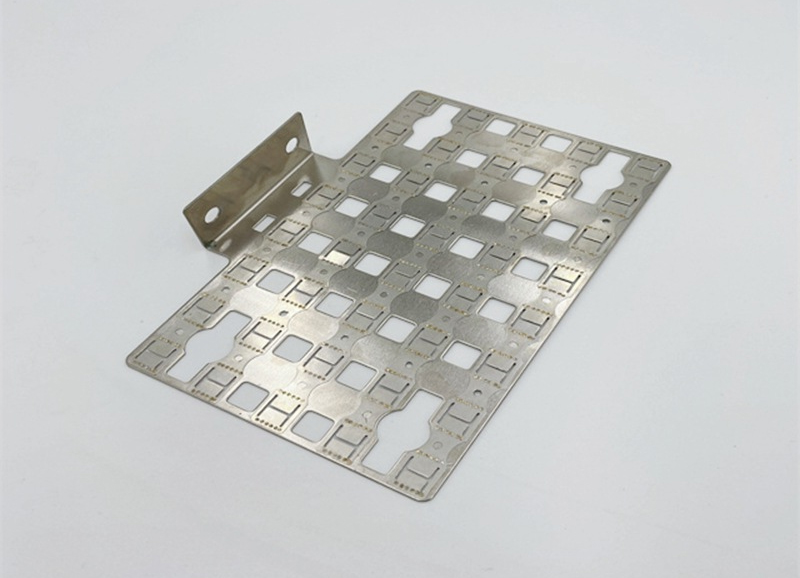
What are the advantages for tin plated car battery busbar?
- Highly efficient conductive system
Copper substrate conductivity of 100% IACS, tin plating only 6% lower conductivity (compared to 43% lower nickel plating), especially suitable for:- Battery Management System (BMS) high voltage circuits
- Motor controller main power paths
- DC link for fast charging piles (supporting 500A/5 seconds pulse)
- Long-lasting protection mechanisms
Tin plating forms a dense oxide film (thickness 0.5-2nm), which improves oxidation resistance by 8 times compared to bare copper:- Humidity cycling test: resistance change rate <2% for 2000h under 85℃/85%RH conditions
- Chemical resistance: Passed SAE J2334 corrosive solution test.
- Customized engineering services
Equipped with fully automatic laser cutting system and robotic welding cell to support:- Shaped structure: Maximum size 3000×150×10mm (length×width×thickness)
- Connection program: optional laser welding / crimp terminals / PCB direct connection
- Insulation configuration: PVC impregnated (3500VDC) or silicone composite sleeve
What is the application for tin plated car battery busbar?
- Power battery packs: Inter-module jumper connection (supporting ≤3mΩ contact resistance)
- Distribution centers: replacing traditional wiring harnesses, 40% increase in space utilization
- Charging infrastructure: liquid-cooled system conductor (with 6063 aluminum alloy heat dissipation housing)
How is Manufacturing Capability and Quality Assurance?
Relying on 100,000-class clean workshop and full-process inspection system (including X-ray coating analyzer and infrared thermal imager):
- Production precision: ±0.05mm dimensional tolerance (ISO 2768-mK grade)
- Deliverability: 5-15 working days for fast samples, support PPAP level 3 document delivery
- Environmental standards: RoHS/REACH compliant, acid mist emission <5mg/m³
The solution builds a complete technical value system by integrating the material characteristics, process innovation and engineering verification data of tinned copper busbar, which is especially suitable for the upgrade needs of the three power systems of new energy vehicles. For customized solutions or validation samples, it is recommended to provide specific application parameters for DFMEA analysis.

 Japanese
  English
  Arabic
  German
  Spanish
  French
  Russian
  Danish
  Italian
  Vietnamese
  Turkish
  Dutch
Dutch  Portuguese
  Thai
Thai  Swedish
  Korean
  Greek
Greek  Polish
  Estonian
  Esperanto
  Hindi
Hindi  Indonesian
  Latvian