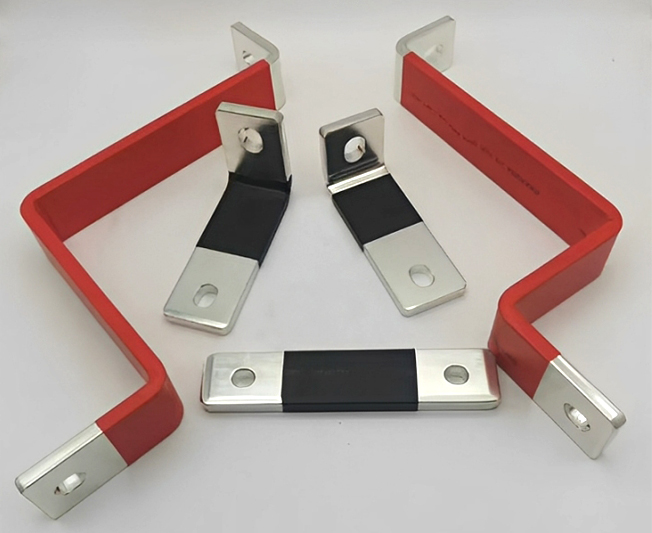
この記事では、表面処理の必要性について議論します。 銅バスバー 実験データと業界の事例を比較することで、ブッシングの安全性と有効性について検証します。酸化の影響、処理プロセスの選択、費用対効果分析、その他の重要な側面を網羅した 10 の主要な議論が含まれており、企業が銅の列の選択戦略を最適化するのに役立つ信頼できる外部リンクを含む意思決定参照フォームを提供します。
1. 表面処理で必要な5つの重要な条件
| 環境指標 | 重要な値 | 治療要件 | 試験基準 |
|---|---|---|---|
| 相対湿度 | >85% RH | 義務的なメッキ | IEC60068-2-78 規格 |
| 塩水噴霧濃度 | >5mg/m³ | 3層複合コーティング | ASTM B117 |
| 動作温度 | >105°C | シルバー/ニッケルメッキ仕上げ | UL486A |
| 振動強度 | >3.5グラム | 機械補強仕上げ | ミリタリースタンダード810G |
| 汚染評価 | PD3以上 | 完全断熱パッケージ | IEC60664-1 規格 |
2. 表面処理プロセスの費用対効果分析
a. 錫メッキ工程
コスト:1メートルあたり15~20元増加(2023年上海市場見積もり)
利点: 40% の接触抵抗の低減 (MIT Materials Lab データ)
事例:0.8錫メッキ層を使用したシュナイダーNSXシリーズ回路遮断器、温度上昇を12K低減
b. 銀メッキ工程
導電性の向上: 表面抵抗率 1.59μΩ-cm、裸銅より 8% 低い (Plating & Finishing ジャーナルを参照)
経済: 銀価格の変動により、1kgあたり300~500人民元のコスト増加につながる (ロンドン銀取引所のリアルタイムデータ)
3. 断熱処理における革新的な進歩
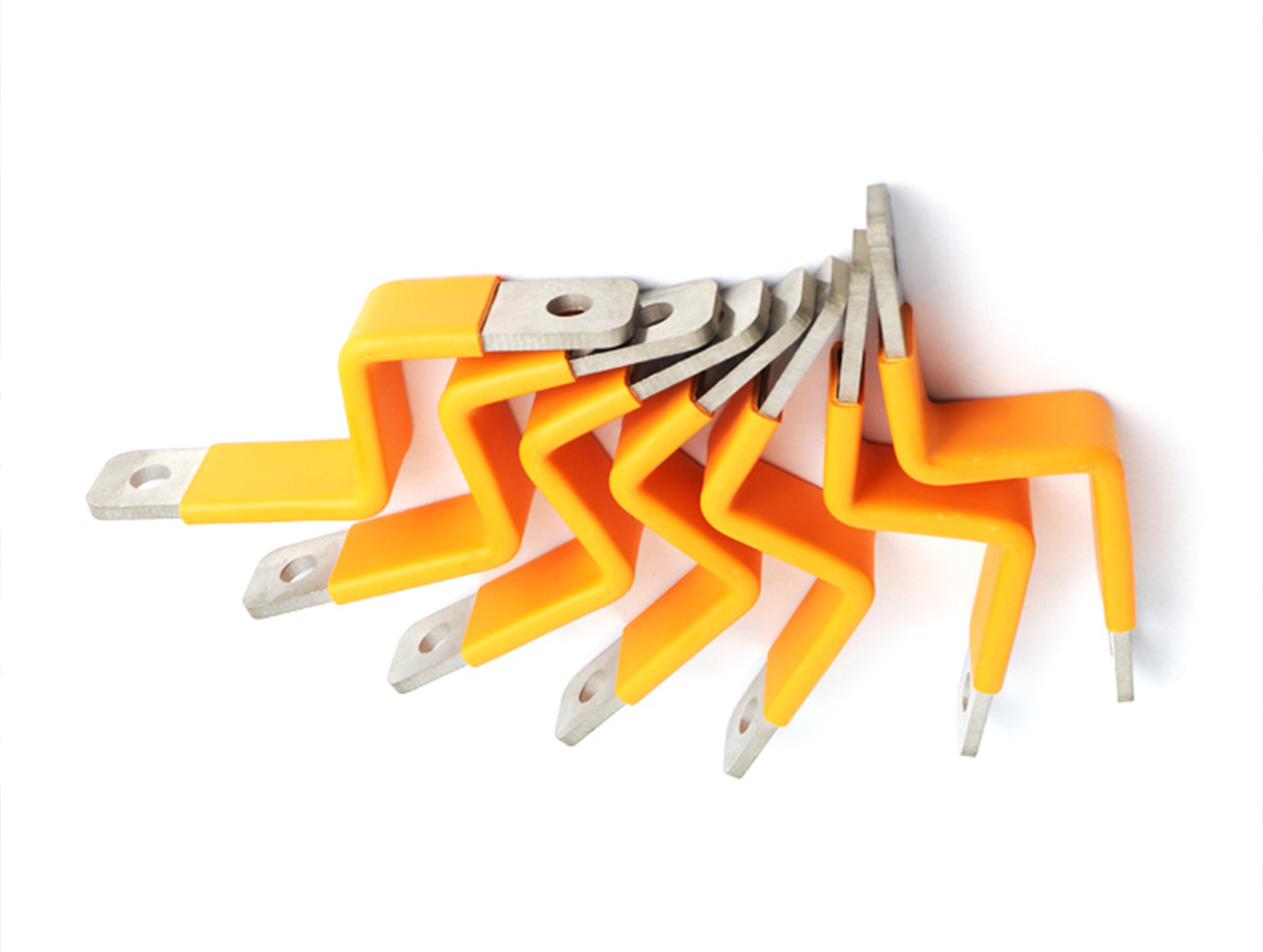
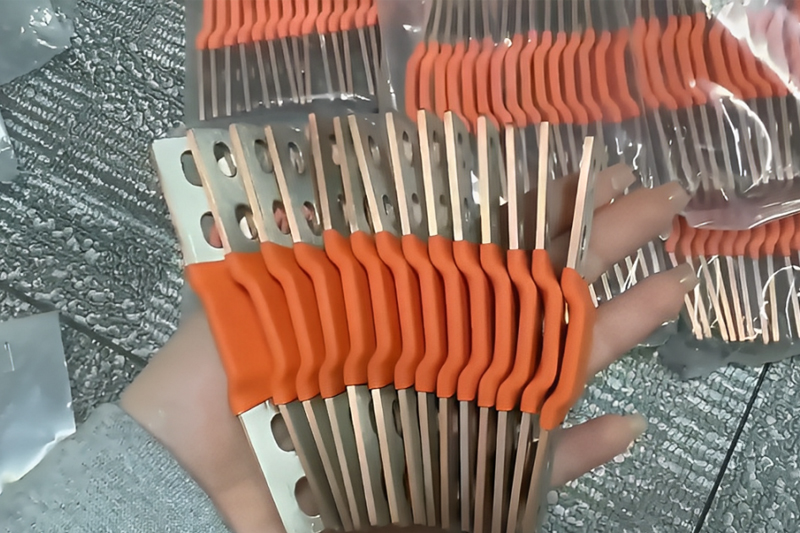
エポキシ樹脂スプレーと熱収縮チューブの性能比較:
| パラメータ | エポキシ樹脂 | 熱収縮チューブ |
|---|---|---|
| 破壊強度 | 35kV/mm | 28kV/mm |
| 熱サイクル寿命 | 2000サイクル | 1500サイクル |
| 建設効率 | 3m/分 | 8m/分 |
| 環境グレード | 2.0 指令 | 到着 |
4. 断熱処理のエネルギー効率バランス
論点8: 熱収縮チューブの熱抵抗の影響
3Mの絶縁材料ハンドブックによると、厚さ2mmの熱収縮チューブは銅の熱効率を28%低下させ、これを電流補正係数K=0.82で補正する必要がある。
5. なぜスイッチギアに広く使用できるのですか?
乾燥した清潔な工業環境では、裸銅線は次の技術的手段によって性能を維持します。
精密組立工程: DIN 43671規格のボルト(トルク値は8~12N-mに制御)を使用することで金属表面の直接接触が実現され、接触抵抗は15μΩまで低下します。
酸化層保護機構: 初期の酸化膜厚は約0.5~3μmで、熱伝導率は80℃で400W/(mK)に達し、純銅の14倍に相当します。
6. 当局からの提案
- IEEE 標準勧告: 銅めっきの厚さと銅ストリップの電流容量
- ASTM腐食試験方法: B827塩水噴霧試験仕様
- EU RoHS指令: 有害物質制限リスト
7. 典型的なケーススタディ
オフショアプラットフォームプロジェクト:
課題: 塩水噴霧濃度 22mg/m³、湿度 98%RH
解決策:ニッケルメッキ(25μm)+シリコンシーリング
結果: 5年のメンテナンスサイクルが8年に延長され、故障率が73%減少しました。
まとめ
Surface treatment of copper busbars needs to balance technical specifications with economics. Key decision points include:
- 環境腐食評価
- 生涯コスト
- メンテナンス要件の容易さ
- 温度上昇制御要件
- 環境コンプライアンス
- DeepL.com(無料版)で翻訳
Related Post
Why can’t a copper busbar and an aluminum busbar be directly connected?
[email protected]2025-12-08T02:54:03+00:0012月 8th, 2025|0 Comments
Introduction Copper busbars and aluminum busbars are the two most commonly used conductive materials in the field of power systems and industrial distribution. Due to differences in cost, resource availability, and technical requirements, they often

How Do You Calculate the Size of a Copper Busbar?
[email protected]2025-06-06T06:54:57+00:006月 6th, 2025|0 Comments
1. Introduction to Busbar Sizing Accurate copper busbar sizing is vital for secure, dependable, and effective electric circulation. Busbars disperse high currents in switchgear and panelboards. Inappropriate sizing reasons extreme warmth, power loss, voltage
10 Essential Tips for Working with Copper Busbars
[email protected]2025-06-03T06:35:28+00:006月 3rd, 2025|0 Comments
In modern power systems, copper busbars have actually become a core element in power transmission and distribution because of their superb electric conductivity, rust resistance and mechanical strength. As a specialist manufacturer of copper
A Guide to Maintaining Copper Busbars Effectively
[email protected]2025-05-28T06:09:36+00:005月 28th, 2025|0 Comments
As a core component of power transmission systems, copper busbars are an important choice for industry due to their high electrical conductivity, corrosion resistance and mechanical strength. However, the durability of its performance is
How to Install Copper Bus Bars for Electrical Systems
[email protected]2025-05-27T07:25:44+00:005月 27th, 2025|0 Comments
As a copper busbar manufacturer, we are well aware of its central role in electrical systems. With its excellent electrical conductivity, mechanical strength and corrosion resistance, copper busbar has become a key component in
Everything you need to know about copper busbars
[email protected]2025-05-19T02:55:47+00:005月 15th, 2025|0 Comments
ナム・ラキニア・アーク・トルトル、ネック・ルクタス・ニブ・ディグニッシム、ユー・ヌラ・シット・アメット・マキシムス。
お問い合わせ
あらゆるカスタマイズバスバーをお届けします
関連記事
Introduction Copper busbars and aluminum busbars are the two most commonly used conductive materials in the field of power systems and industrial distribution. Due to differences in cost, resource availability, and technical requirements, they often need to be connected and used in practical applications. However, directly connecting copper aluminum busbars can pose serious safety hazards.


 Japanese
  English
  Arabic
  German
  Spanish
  French
  Russian
  Danish
  Italian
  Vietnamese
  Turkish
  Dutch
Dutch  Portuguese
  Thai
Thai  Swedish
  Korean
  Greek
Greek  Polish
  Estonian
  Esperanto
  Hindi
Hindi  Indonesian
  Latvian