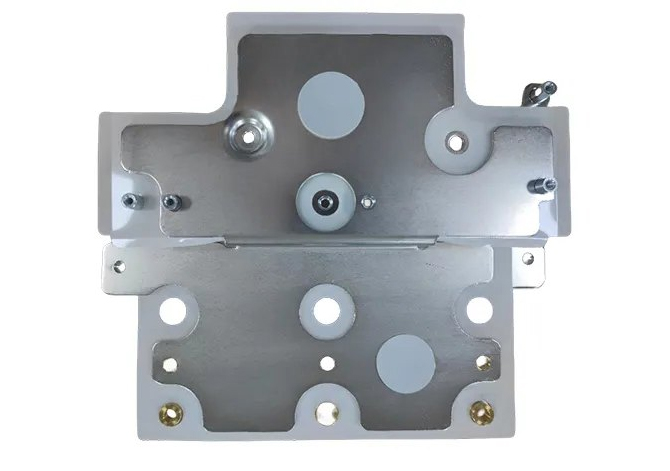
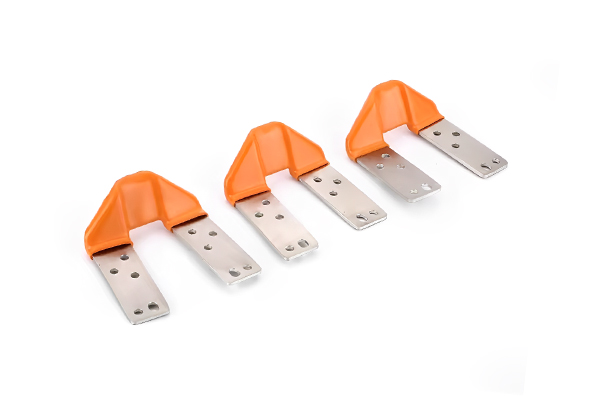
絶縁バスバーのプレミアメーカー&サプライヤー
We specializes in the development and manufacture of high-end insulated bus bars, providing customers around the world with safe and efficient power transmission and distribution solutions through innovative technology. Our products are made of high-grade insulating materials and precision technology, with excellent electrical performance and mechanical protection, and have passed international authoritative certification and are suitable for harsh working conditions. The whole series of products support personalized customization to meet the special needs of new energy power stations, industrial power distribution systems and other scenarios, the core advantages are reflected in:
■ Triple protection system: reinforced insulation/impact/high-temperature-resistant design
■ Intelligent temperature control technology: -40 ℃ ~ 120 ℃ stable operation
■ Modularized structure: support for rapid assembly and flexible capacity expansion
Full life cycle service: from program design to installation and maintenance.
Relying on self-developed digital production system, we ensure that each product passes 21 precision tests, and the delivery cycle is 30% shorter than the industry standard. When you choose us, you choose reliable power transmission and continuous value assurance.
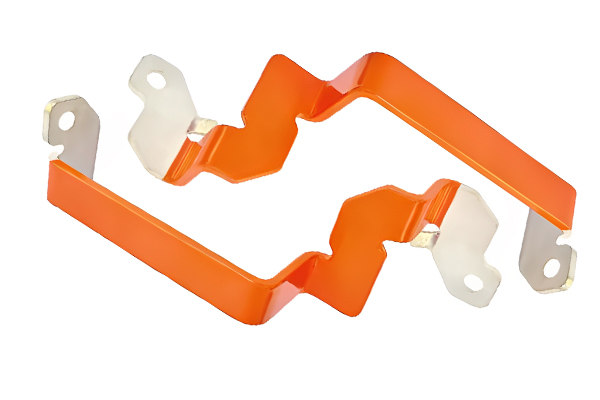
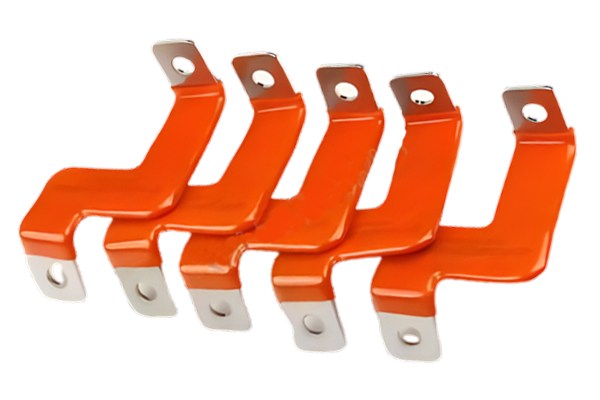
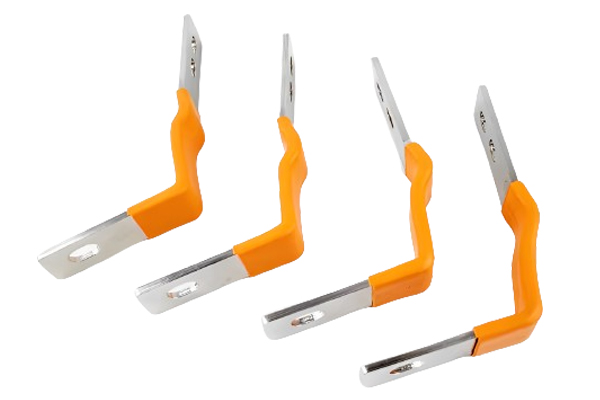
| 製品タイプ | 絶縁バスバー |
|---|---|
| 銅グレード: | C11000 または C10100 |
| アルミニウムグレード: | 1350 または 6101 |
| PVC: | 優れた電気絶縁性と機械的保護性。 |
| ポリエステルフィルム: | 優れた誘電強度と熱安定性。 |
| エポキシ樹脂: | 高い機械的強度と耐薬品性。 |
| グラスファイバー: | 耐熱性、耐火性に優れています。 |
| 定格電圧: | 0.4kV to 35kV (some products support 110kV) |
| 幅: | 10mm~200mm |
| 長さ: | カスタマイズ可能、通常は最大6メートル |
| Insulation Resistance: | ≥10000MΩ (10kV and above) |
| Lightning Impact Withstand Voltage: | 10kV: 95kV; 35kV: 200kV |
| Protection class: | IP40 for indoor type; IP43/IP55 for outdoor type |
-
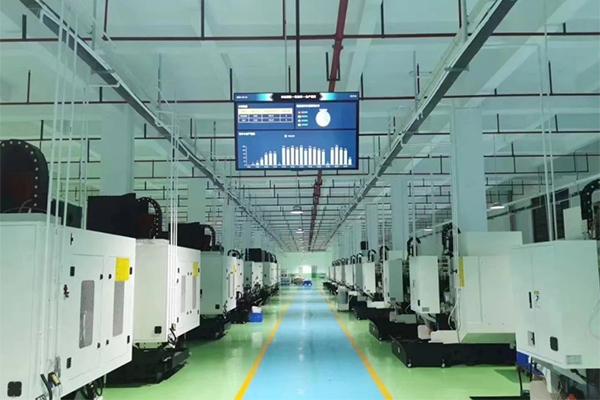
- CNCワークショップ1
-
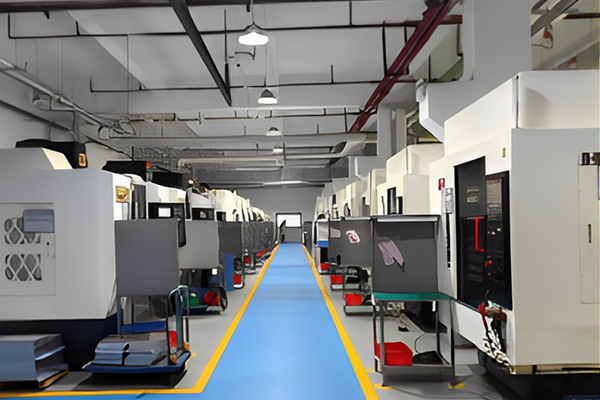
- CNCワークショップ2
-
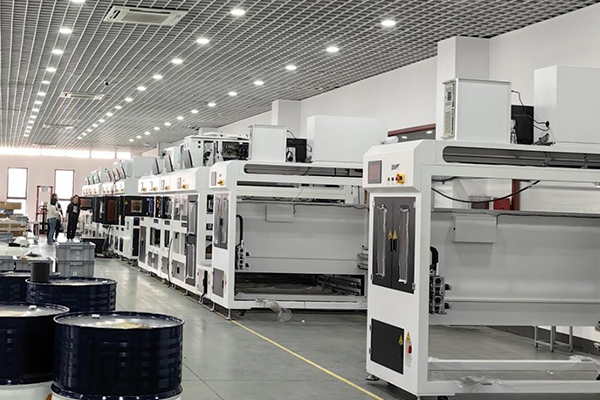
- CCS生産ライン
-
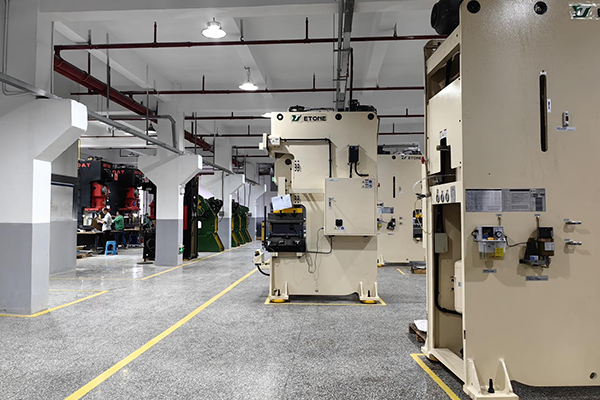
- スタンピングワークショップ
-
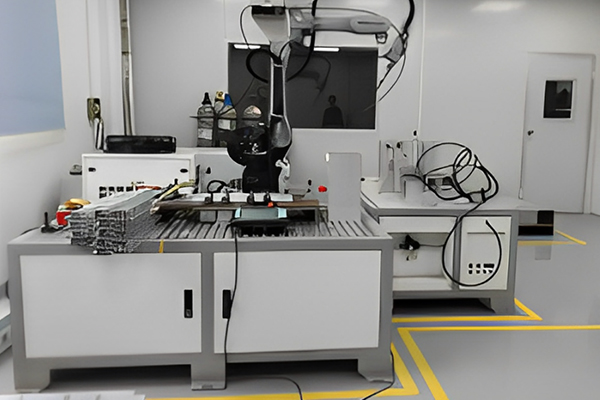
- レーザー溶接ワークショップ
-
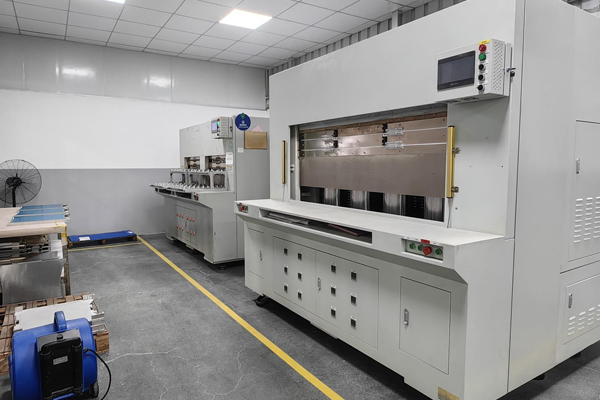
- ホットプレスワークショップ
-
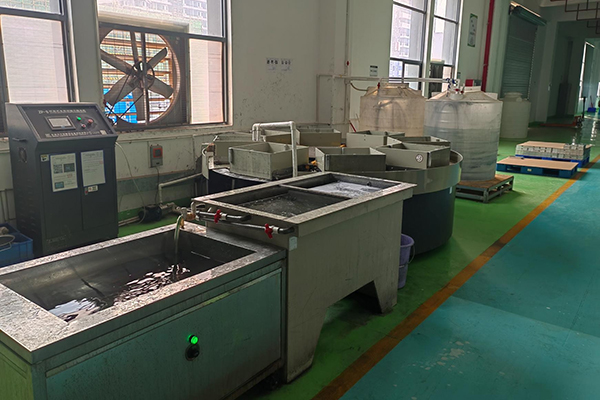
- 磁気研磨ライン
-
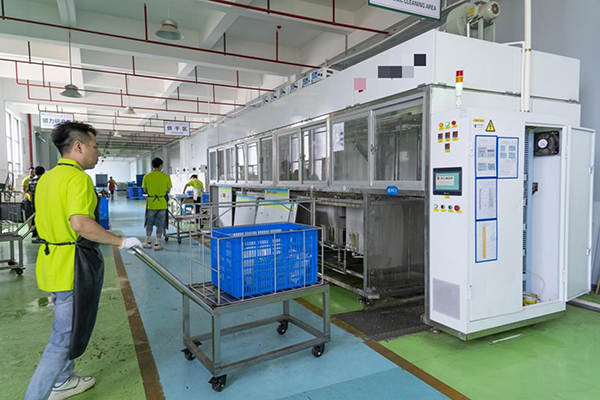
- 超音波洗浄ライン
-
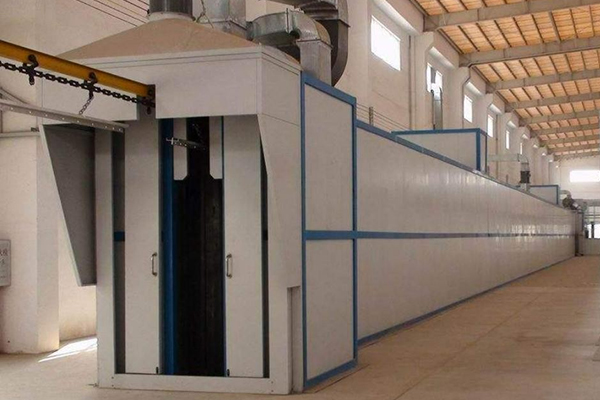
- 粉体塗装ワークショップ
絶縁バスバーの専門サプライヤー
当社は、お客様の特定の電気要件を満たすようにカスタマイズされた高品質の絶縁バスバーの供給を専門としています。絶縁バスバーは、複雑な電気システムにおいて優れた電気性能、安全性、信頼性を発揮することで知られる重要なコンポーネントです。
Our insulated bus bars are efficient and safe equipment for power transmission and distribution, which is widely used in high-current and high-voltage scenarios by consisting of conductors (such as copper or aluminum tubes) covered with insulating materials. Its core function is to replace traditional rectangular busbars or cables, solving the problems of heat dissipation, mechanical strength and insulation reliability in high current transmission. According to the insulation method and structural differences, they are mainly categorized into the following types:
1. Air-type splicing busway: early products, relying on air insulation, susceptible to environmental impact.
2. Dense insulated splicing busway: conductors covered with insulating materials, but limited heat dissipation performance.
3. high-strength composite insulated busway: combining air and solid insulation, better heat dissipation and insulation performance.
4. Fully insulated tubular busbar: conductor is made of hollow copper or aluminum tube, and the outer layer is made of PTFE, epoxy resin and other insulating materials to realize fully enclosed shielding.
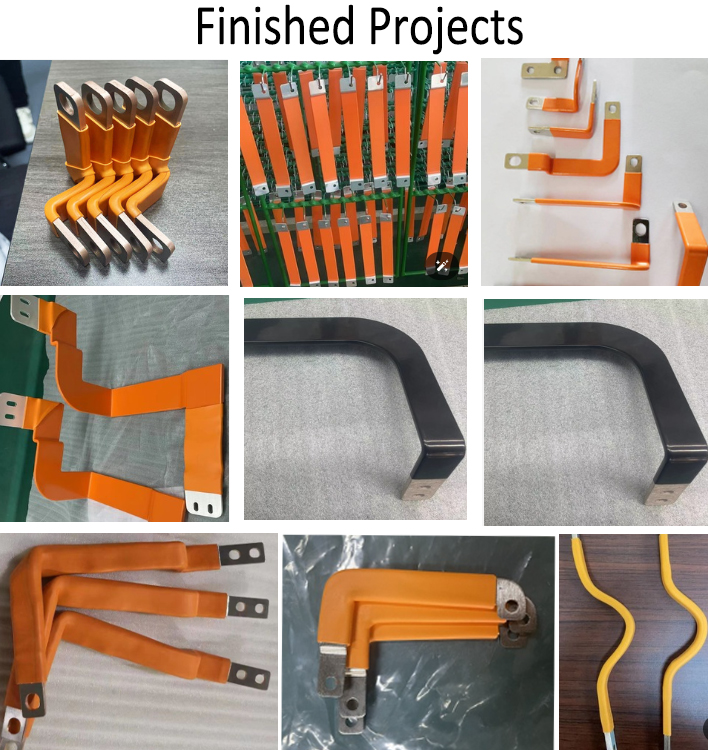
How is production process for insulated busbar?
1. Preparation of raw materials
- Conductor: High purity electrolytic copper or aluminum alloy tubes are used, which are drawn and cut into standard specifications.
- Insulation materials: PTFE, epoxy resin, cross-linked polyethylene, etc., which need to be dried and pre-treated.
2. Conductor processing
- Unloading and molding: Cut tubes according to drawings, indentation, punching, and tinning to reduce contact resistance.
- Bending: CNC pipe bender to adjust the angle to ensure that the bending radius ≥ 2.5 times the diameter of the pipe to avoid cracks.
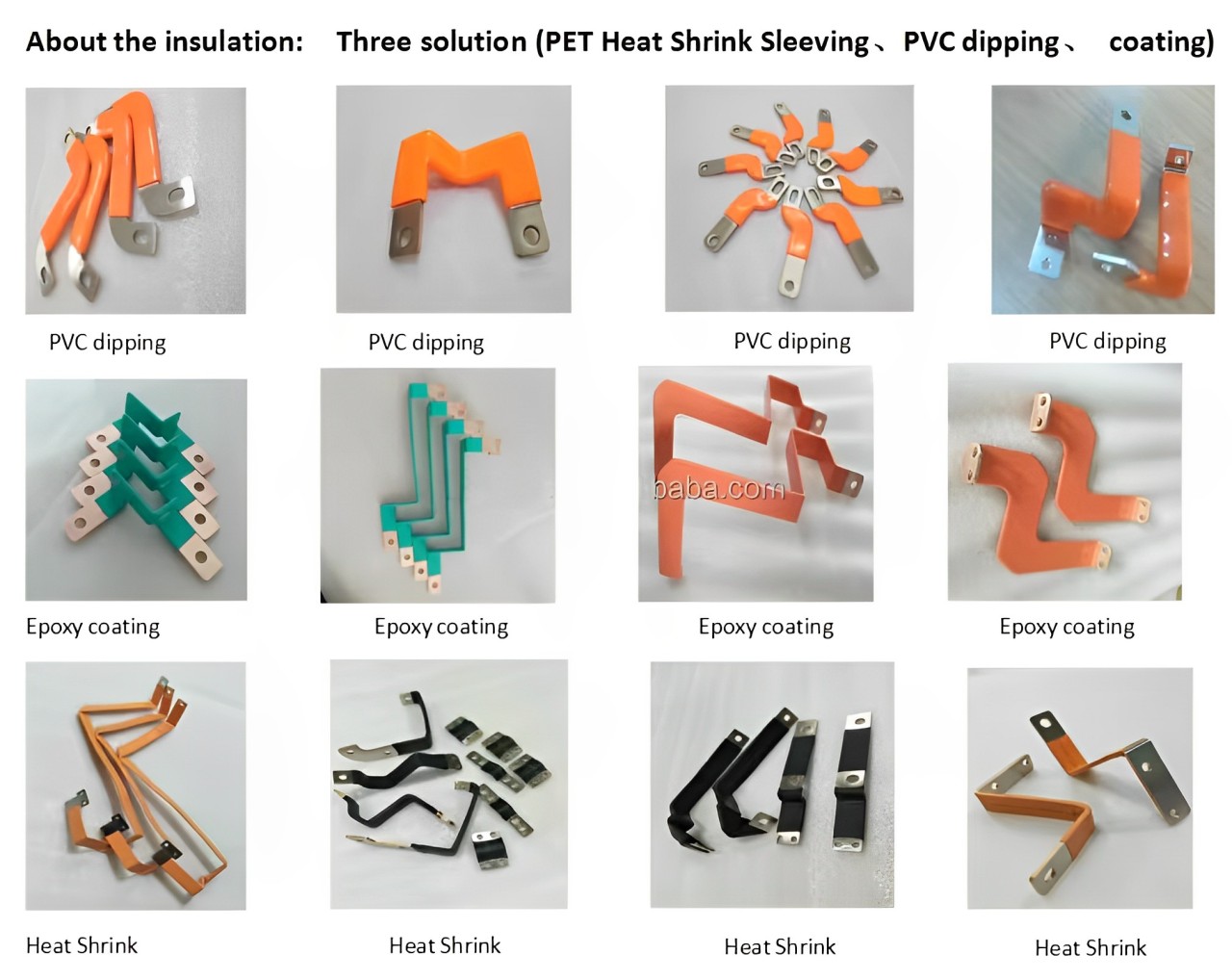
3. Insulation treatment
- Wrapping process: mechanically wrap the insulating tape (e.g. PTFE tape) to ensure that it is tight and without gaps.
- Pouring process: pour epoxy resin into the outer sheath of the conductor to form a uniform insulation layer after curing.
- Three-layer co-extrusion: extruder is used to synchronize the conductor, shielding layer and insulation layer.
4. Assembly and testing
- Welding: automatic argon arc welding to ensure that the welded joints are firm, resistance ≤ 1μΩ.
- Voltage withstand test: Industrial frequency withstand voltage, lightning impact withstand voltage and partial discharge detection (<10pC).
- Temperature rise and dynamic stability test: simulate full load and short circuit conditions to verify heat dissipation and mechanical strength.
5. Packing for factory
- Packed in boxes after cleaning, labeled with model number, voltage level and production date, and delivered after passing the final quality inspection.
絶縁バスバーとは何ですか?
Insulated bus bar is a highly efficient conductor device used for power transmission and distribution. The core structure consists of a metallic conductor (e.g., copper or aluminum tube) covered with multiple layers of insulating material, which enables safe transmission of large currents and high voltages by optimizing electric field distribution and insulation protection. The following is a detailed explanation of its key features and classification:
1. Structure and materials
- Conductor: adopts high purity copper or aluminum tube, using hollow structure to reduce skin effect and enhance current carrying capacity (single up to 12000A).
- Insulation layer: contains the main insulating layer, capacitive screen (equalizing layer), semiconductor shielding layer and outer sheath, the materials include PTFE, epoxy resin, EPDM rubber, etc..
- Main insulation layer: such as PTFE temperature range of -250 ℃ ~ +340 ℃, life expectancy of more than 30 years.
- Capacitive screen: through multi-layer variable screen distance design uniform electric field to prevent localized discharge (e.g. epoxy cast busbar localized discharge <10pC).
2. Main types
- Wrap-around insulated busbar: Use polyester film or PTFE tape to wrap the conductor layer by layer, and add aluminized film capacitor screen. The disadvantage is that the winding process is prone to residual air gaps, resulting in a higher risk of partial discharges and poorer reliability.
- Extruded Insulated Busbar: Extruded EPDM rubber insulation layer on the surface of the conductor, simple process, but easy to crack when bending, uneven electric field distribution at the end (only two layers of capacitive screen), easy to trigger flashover.
- Epoxy cast insulated busbar: Vacuum impregnated epoxy resin curing molding, insulation layer without air gap, the end of the use of variable screen distance equalization pressure, the best pressure resistance, is currently the highest reliability of the type.
- Composite Shielded Tubular Busbar: Combined shielding and fully enclosed insulation, protection level up to IP55, suitable for outdoor and highly polluted environments, modular design for easy installation.
絶縁バスバーの主な特徴:
- Efficient current-carrying: Hollow tube conductor reduces skin effect, AC resistance is reduced by 45%, low power loss.
- Excellent heat dissipation: hollow structure natural ventilation heat dissipation, temperature rise is 60% lower than the traditional busbar.
- High mechanical strength: the allowable stress is 4 times that of rectangular busbar, and the support span can be up to 13 meters.
- Full insulation protection: shielding layer grounded, touchable outer surface, moisture-proof, dust-proof, adapted to harsh outdoor environments.
- Long service life: Insulation material withstands temperature -200℃~+340℃, service life ≥30 years.
- Convenient installation: modularized design, no need for complex brackets, strong seismic performance (can resist magnitude 7 earthquake).
絶縁バスバーの用途:
1. Electric power system:
- Transformer and switchgear connection in substations and distribution stations.
- Extra-high voltage transmission projects, such as the State Grid extra-high voltage lines.
2. New Energy
- High-current collector lines for photovoltaic power stations and wind farms.
- Insulation protection for energy storage systems (e.g. lithium-ion battery packs).
3. Industry and construction
- High-voltage distribution systems in steel mills and chemical plants.
- Vertical power transmission trunk lines for high-rise buildings and data centers.
4. Rail transportation
- Traction power supply systems for subways and high-speed railways.
5. International Projects
- Power infrastructure projects exported to Korea, Southeast Asia and Africa.

 Japanese
  English
  Arabic
  German
  Spanish
  French
  Russian
  Danish
  Italian
  Vietnamese
  Turkish
  Dutch
Dutch  Portuguese
  Thai
Thai  Swedish
  Korean
  Greek
Greek  Polish
  Estonian
  Esperanto
  Hindi
Hindi  Indonesian
  Latvian