버스바 전문가와 상담해 보세요
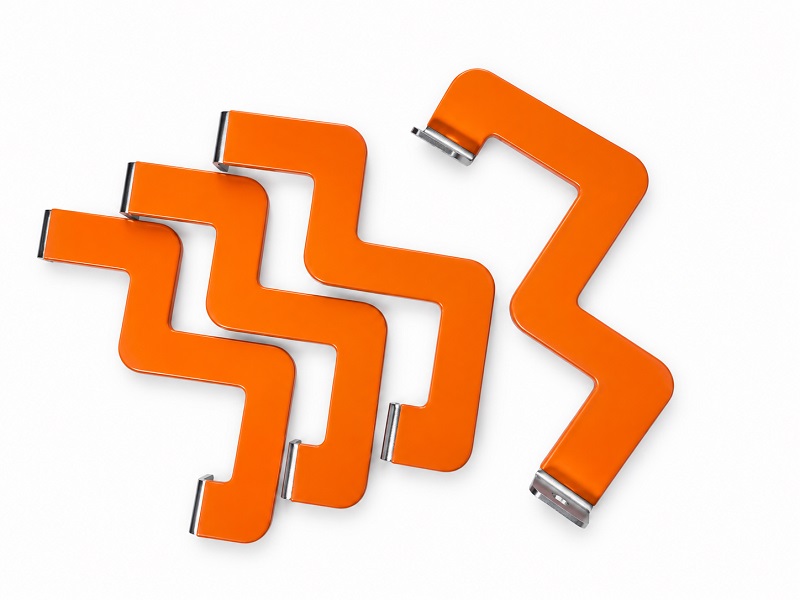
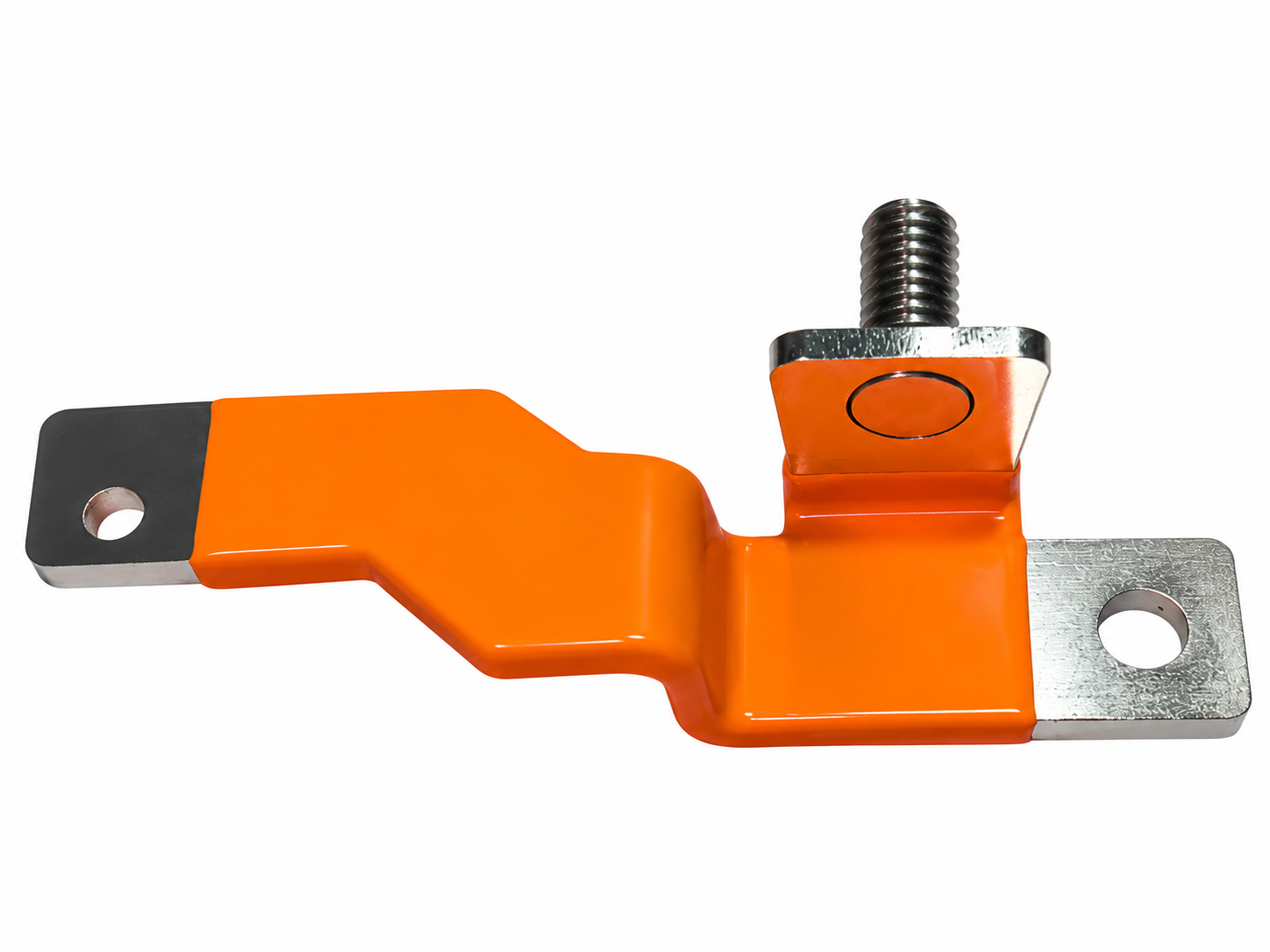
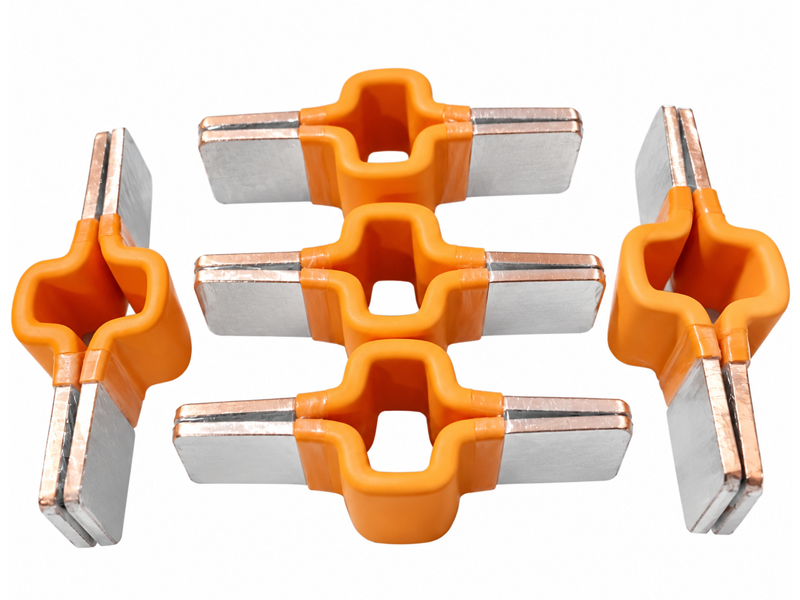
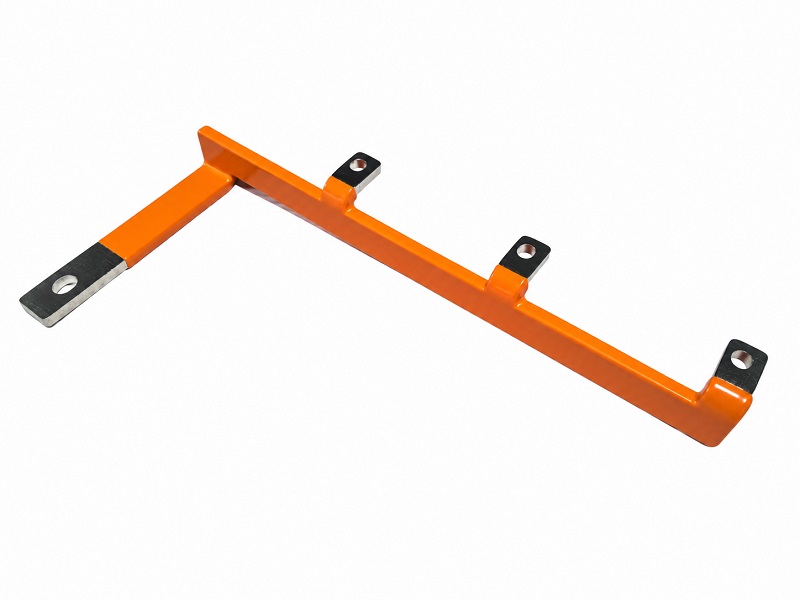
전기차 배터리, 에너지 저장 시스템, 전력 배전 또는 산업용 전기 장비에 사용할 맞춤형 구리 또는 알루미늄 버스바가 필요하신가요? 당사의 팀은 미국 및 유럽의 프로젝트를 위해 절연형, 유연형, 적층형, 도금형 및 무도금형 버스바 솔루션을 제공하며, 설계 지원, 시험 지침 및 신뢰할 수 있는 제조 서비스를 함께 지원합니다.



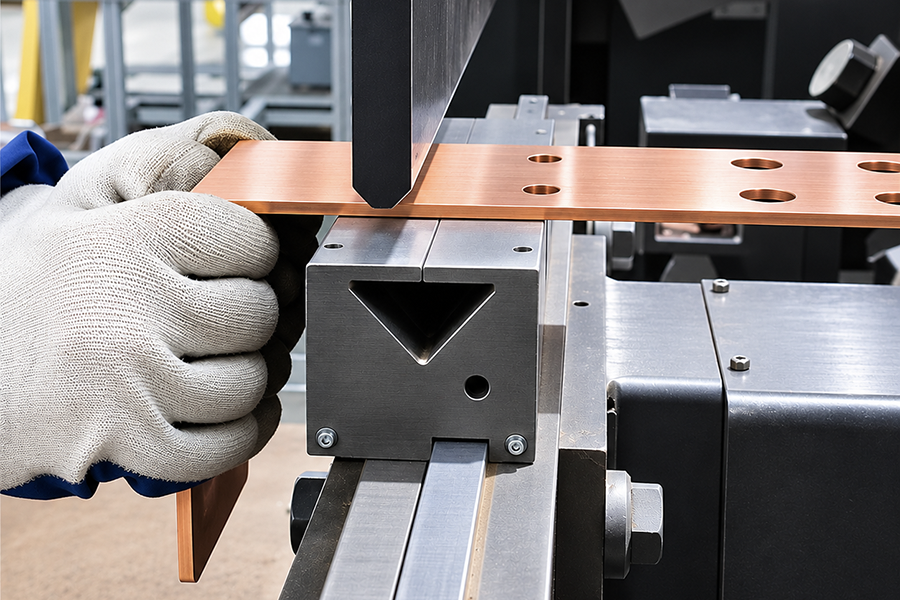
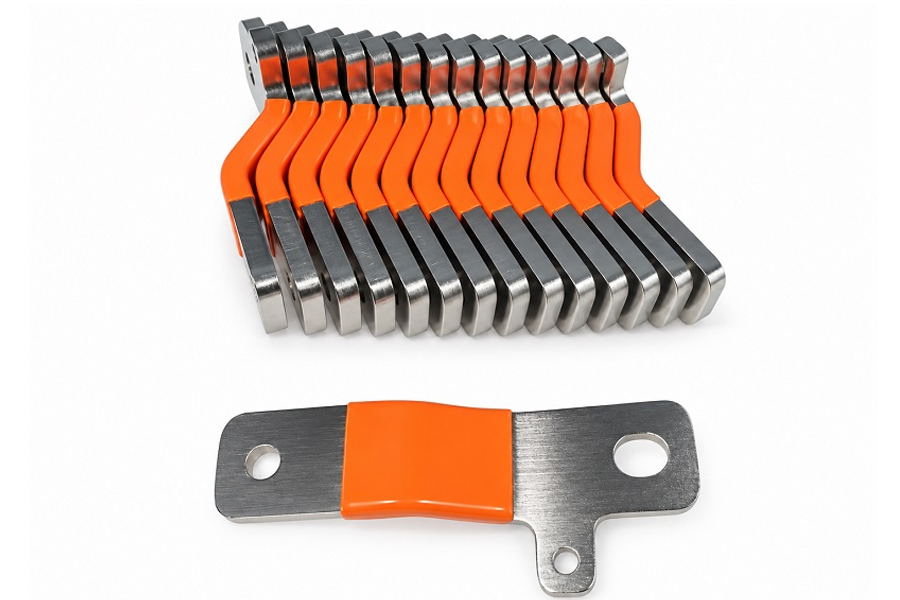
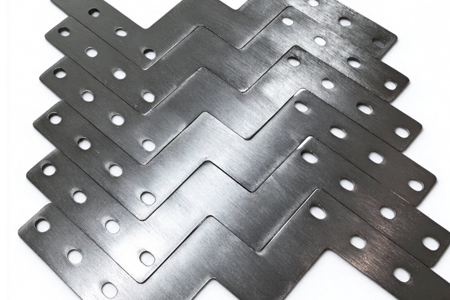
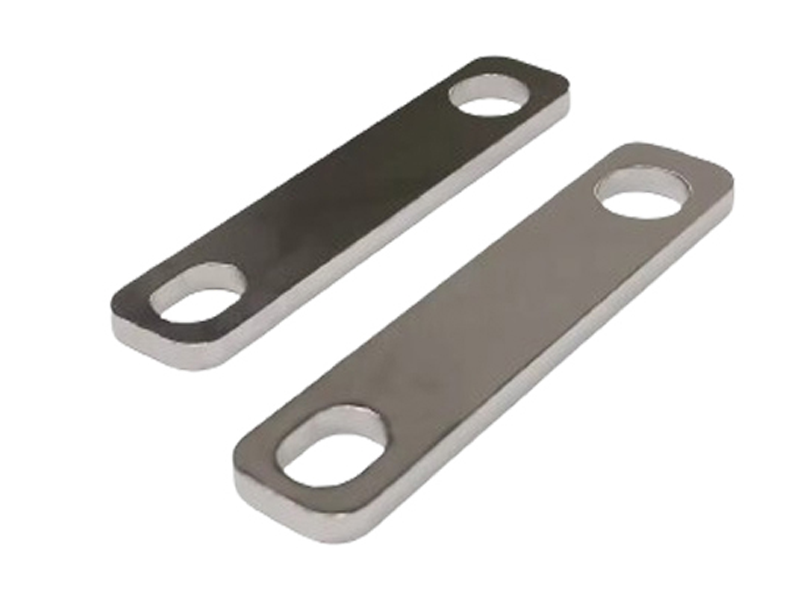
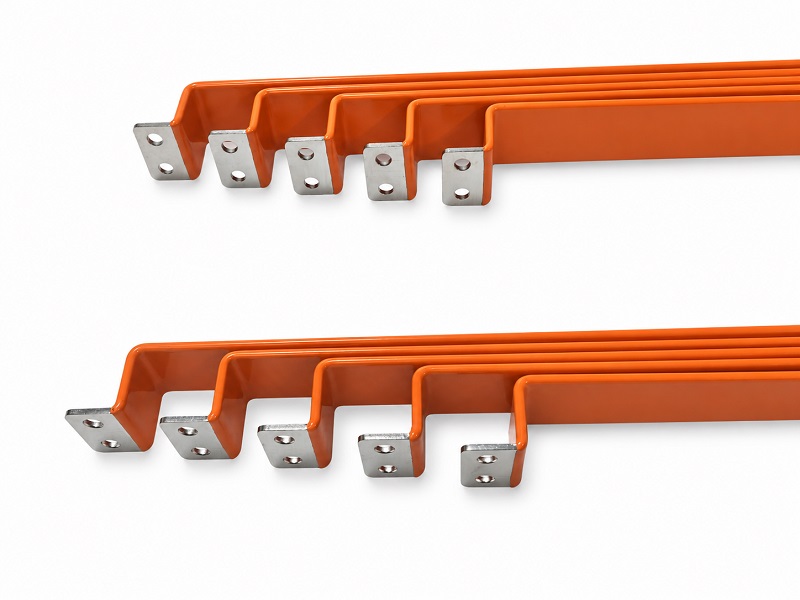
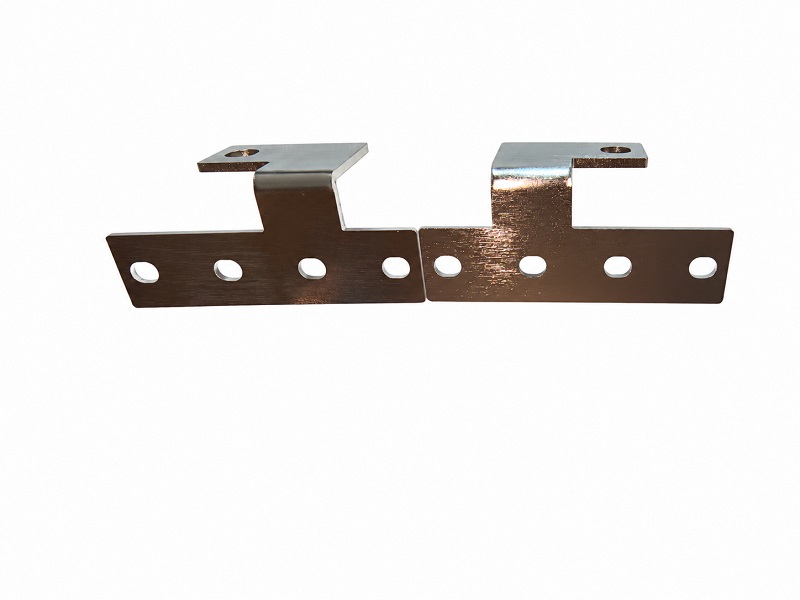
Our copper bus bar product range supports different current capacities, equipment layouts, and installation requirements. Available customization options can include conductor dimensions, formed configurations, connection features, and protective finishes. These solutions serve industrial control equipment, power distribution systems, battery assemblies, and OEM applications where standard components may not match project-specific designs.
| Technical parameter | Material or customization options |
| Base material | C11000 ETP, C10100 OFE, C10200 OF |
| Conductor geometry | Rectangular, flat, bent, or drawing-defined shapes |
| Bus bar dimensions | Custom width, thickness, length, and hole positioning |
| Material condition | Annealed or hard temper, as specified |
| 표면 처리 | Bare copper, tin plating, or other approved finishes |
| Fabrication | Cutting, bending, drilling, punching, and machining as required |
| 단열 | Epoxy coating or other qualified insulating systems |
| Connection points | Drilled holes, slots, or specified terminal interfaces |
| Dimensional tolerances | According to approved engineering drawings |
| Inspection requirements | Material, dimensional, and surface verification as agreed |


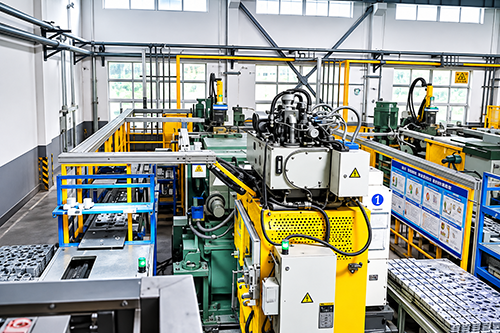


Custom copper bus bar fabrication begins with understanding the installation geometry, current path, and component interfaces. Drawings help define the required configuration and identify potential manufacturing difficulties before production.
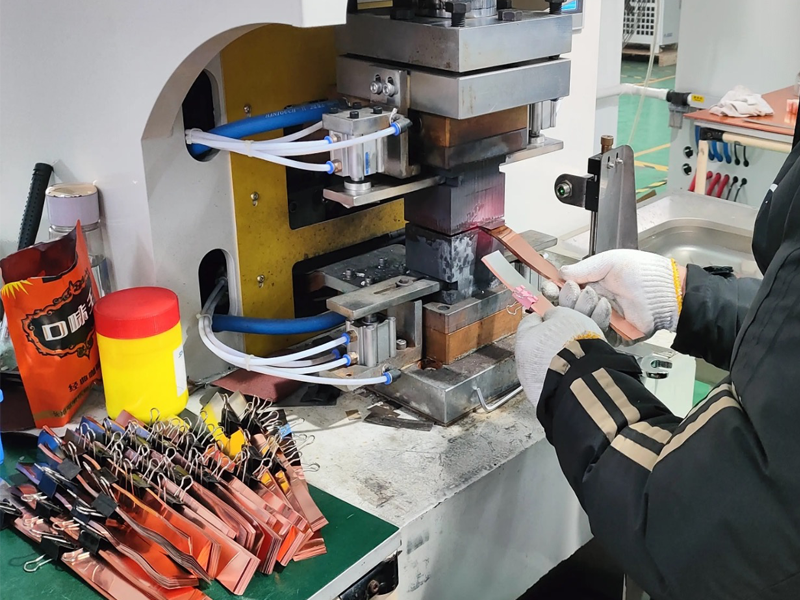
Depending on the approved design and confirmed factory capabilities, manufacturing operations may include:
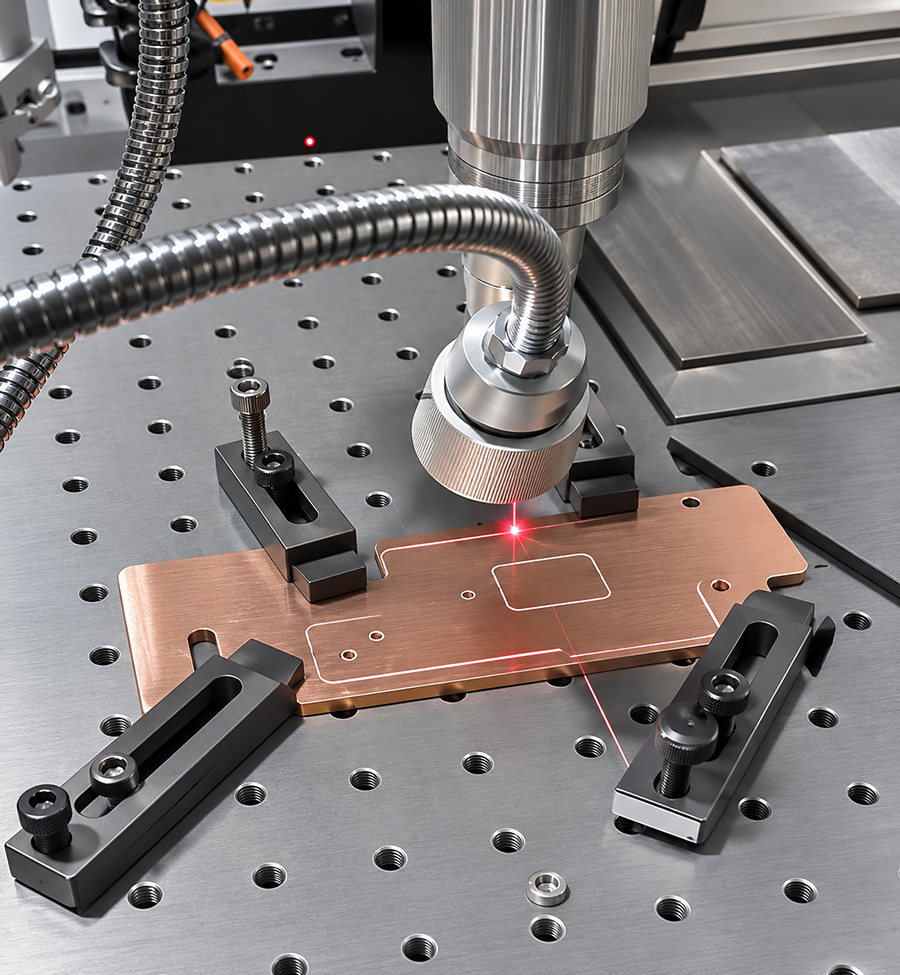
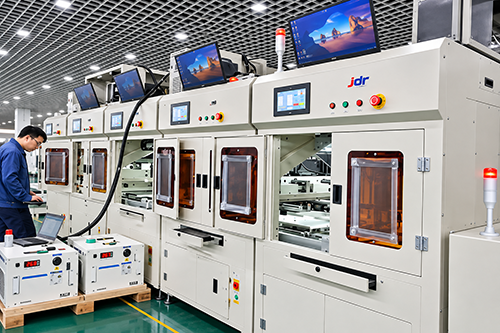
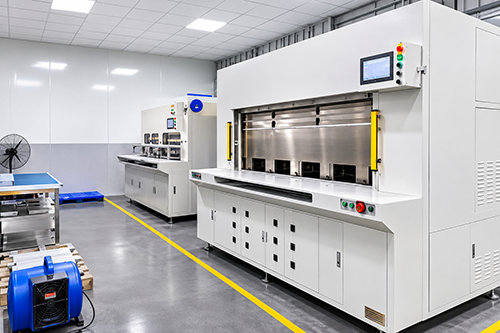
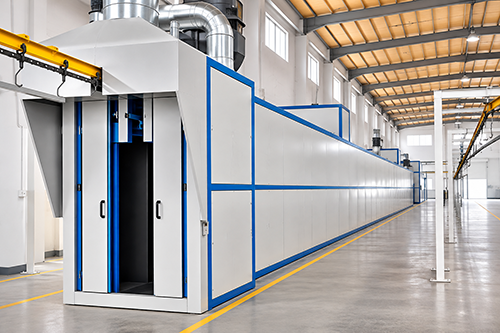
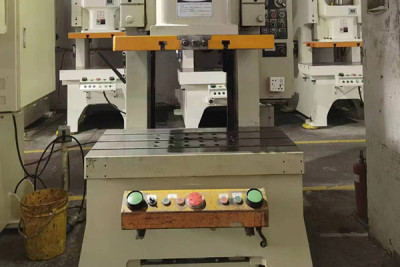
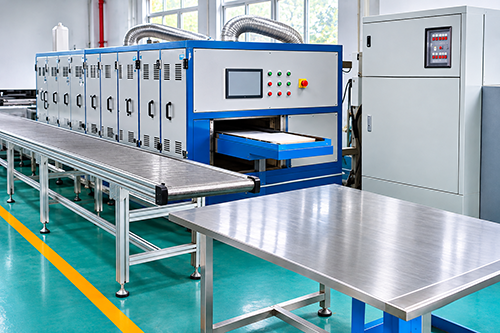
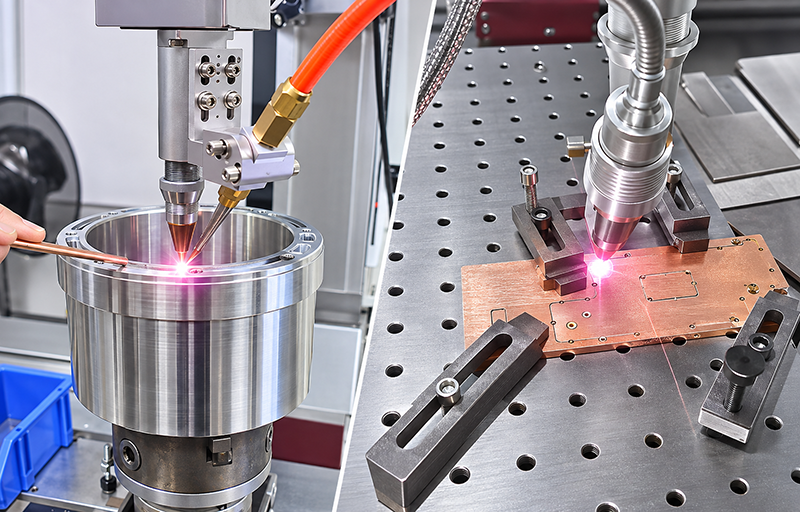
Our factory features a 6,000 m² precision machining workshop and over 100 sets of precision manufacturing equipment, including CNC machining centers, stamping machines, laser welding systems, automated production lines, and advanced inspection equipment. With integrated capabilities covering R&D, tooling design, precision fabrication, surface treatment, and assembly, we provide one-stop OEM and ODM manufacturing solutions from prototyping to large-scale production.
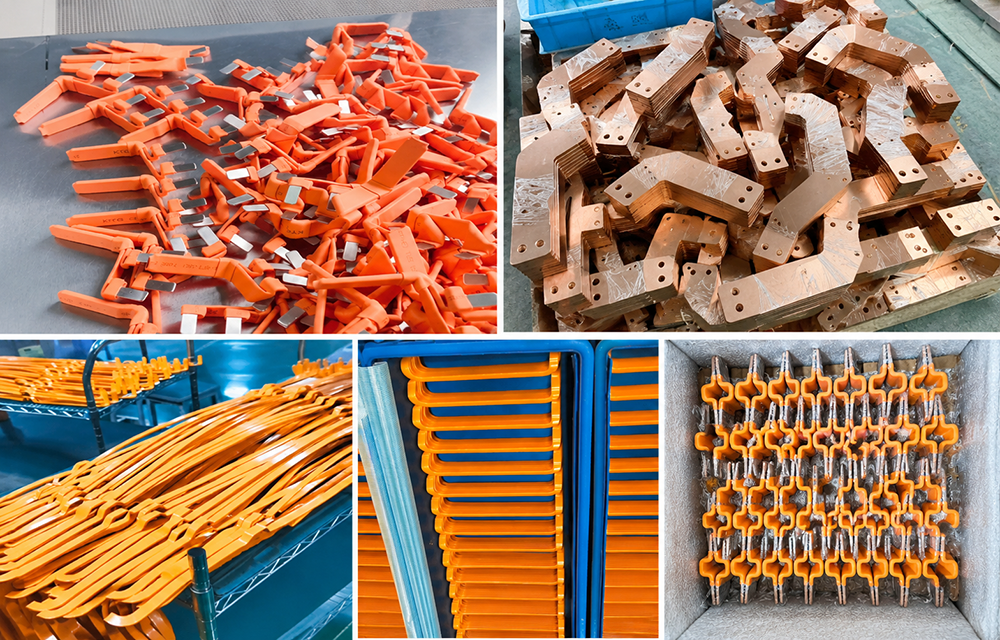
Our experienced engineering team and strict quality control processes ensure consistent precision, reliable performance, and dependable delivery for custom copper busbars, flexible busbars, insulated busbars, and battery interconnection components.
Seanda combines manufacturing strength, advanced automation, and quality assurance to deliver reliable busbar solutions for customers worldwide.
Successful conductor selection starts with the equipment’s operating conditions rather than a standard size chart.
Establish the continuous current, short-time fault requirements, allowable temperature rise, and available installation space.
The ampacities of copper are influenced by enclosure conditions, conductor arrangement, and joint temperature limits. Cross-sectional area alone does not determine an appropriate rating.
Select the required copper grade and temper based on conductivity, formability, structural integrity, and the manufacturing process.
Brass may be useful for certain terminals or hardware, but it should not automatically replace a high-conductivity conductor material.
Specify hole patterns, fasteners, contact surfaces, and compatible connection hardware.
For OEM projects, prototype evaluation can identify drawing issues before production quantities increase. Engineers can assess mounting alignment, electrical connections, clearances, and manufacturability using representative parts.
Once the design is approved, production planning can address material procurement, tooling, inspection criteria, packaging, and repeat-order consistency.
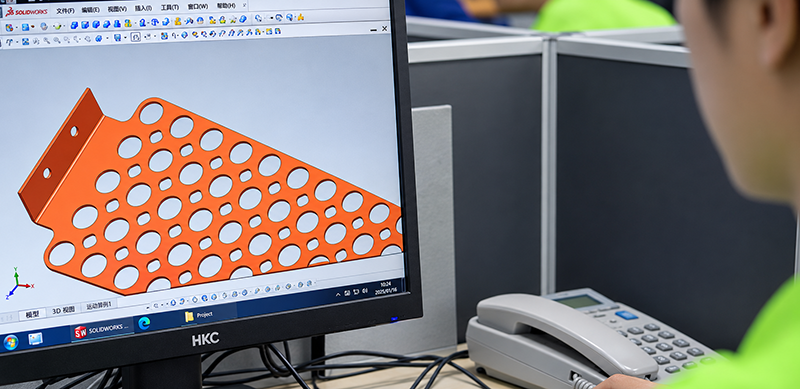
Before requesting production pricing, provide:
Clear technical documentation reduces uncertainty during quotation and manufacturing review.
Copper’s electrical conductivity makes it suitable for low-resistance current paths. However, selecting a conductor requires more than calculating its cross-sectional area.
Knowing the ampacity of a particular design involves evaluating operating temperature, heat dissipation, bar orientation, enclosure ventilation, and the surrounding ambient conditions. The shape and spacing of conductors can significantly affect their ability to cool.
A quick busbar selector or reference amp table can support preliminary sizing, but it cannot replace application-specific thermal calculations and design verification. The Copper for Busbars engineering guide explains how conductor temperature depends on the balance between generated heat and heat transferred to the surroundings.
Guidance for Design and Installation
Copper conductors are used across industries where reliable electrical connections and compact power distribution are necessary.
Switchgear assemblies use rigid conductors to connect incoming power sources, circuit breakers, and outgoing circuits. Proper conductor sizing and joint design are essential for managing temperature rise, short-circuit forces, and equipment clearances.
Battery packs and energy storage cabinets require conductive interconnections between modules, protective devices, and distribution components.
Custom bus bar shapes can accommodate limited internal space, while appropriate surface finishes and insulation help meet the assembly’s operating and safety requirements.
Power conversion equipment, charging infrastructure, and vehicle battery assemblies use formed conductors to connect high-current components.
Engineers must consider vibration, thermal expansion, terminal compatibility, and required isolation distances.
Machine control cabinets, motor drives, and industrial power supplies rely on organized current paths. Drawing-based components can improve layout consistency and accommodate equipment-specific mounting arrangements.
Power cabinets used in telecommunications facilities and data centers require compact distribution arrangements, accessible connections, and predictable thermal behavior.
Suitable conductor geometry can help manage available cabinet space without overlooking temperature rise or maintenance accessibility.
The practical value of a copper conductor depends on how its material properties and geometry support the equipment design.
These advantages depend on appropriate engineering design, installation practices, and operating conditions rather than material selection alone.
Consistent manufacturing quality is essential when components must fit accurately within power equipment. Inspection requirements should be established from approved drawings and relevant purchasing specifications.
Incoming material checks may include grade identification, dimensions, surface condition, and supporting documentation.
Dimensional inspection focuses on width, length, hole positioning, bend geometry, and other critical features. These checks help ensure components fit their intended mounting arrangements.
Fabricated conductors should be examined for burrs, sharp edges, deformation, and visible surface defects.
Where coating or plating is specified, the inspection plan can include finish appearance, coverage, and applicable thickness verification.
Final inspection can include drawing conformity, component identification, quantity verification, and packaging suitability.
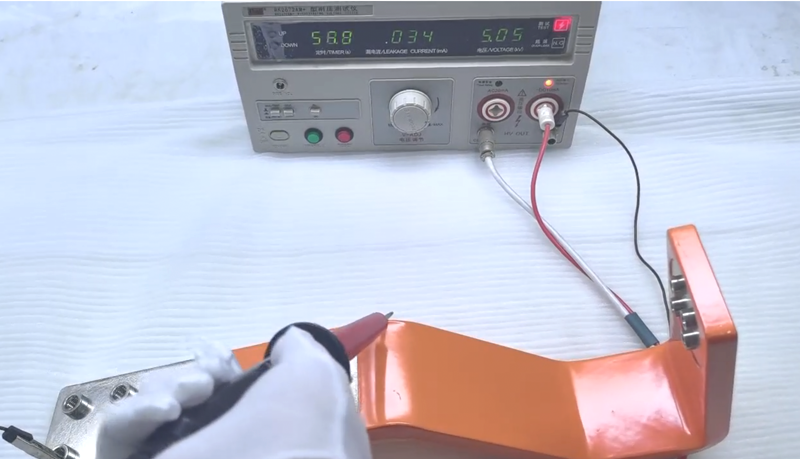
Additional documentation, material traceability, or electrical testing should be agreed upon before production rather than assumed to be included automatically.
Design considerations should address operating voltage, clearance and creepage requirements, potential short circuits, and mechanical stress.
Where an insulated design is required, determine whether an epoxy finish or another qualified system is suitable. The insulating material must meet the equipment’s operating and safety requirements.
For reference, sheet copper fundamentals and sheet copper applications can help explain material behavior, but finished busbar systems require their own electrical and mechanical evaluations.
C11000 ETP and oxygen-free grades such as C10100 and C10200 are established materials for conductor applications. Selection depends on electrical performance, fabrication requirements, material condition, and project specifications. Buyers should identify the required material grade rather than relying only on a general description such as pure copper.
Custom manufacturing can be planned around approved 2D drawings or 3D models. Important details include finished dimensions, bending geometry, mounting holes, surface finish, and material requirements. Engineering review helps determine manufacturability and identify features that may require tooling changes or clarification before production.
Start with continuous current, operating temperature, available space, and installation conditions. Consider voltage drop, conductor arrangement, enclosure ventilation, and the thermal characteristics of connected equipment. Final sizing should follow the applicable equipment standard and engineering calculations rather than an isolated current-rating chart.
No. Bare conductors may be appropriate for some controlled environments and connection designs. Tin plating can be specified where contact compatibility and surface protection are important. The decision should account for joint materials, environmental exposure, operating temperature, and relevant equipment requirements rather than treating one finish as universally suitable.
A useful RFQ includes engineering drawings, material grade, dimensions, tolerances, finishing requirements, and estimated order quantities. It should also identify the intended application and any inspection or documentation requirements. Sharing these details allows the manufacturer to evaluate production methods, clarify technical questions, and prepare a more accurate commercial proposal.
Finding a suitable manufacturing partner starts with a clear understanding of your product requirements. For custom bus bars used in electrical power distribution, battery equipment, switchgear, or industrial machinery, drawing review and material selection are important steps before production.
Submit your technical drawings, required material grades, dimensions, tolerances, surface finish requirements, estimated order quantities, and application details. Include any special inspection criteria or installation constraints that may affect manufacturing.
With complete project information, our team can review the requested configuration, discuss available fabrication options, and evaluate the requirements for a manufacturing quotation.
Send Us Your Drawings for a Custom Quote.