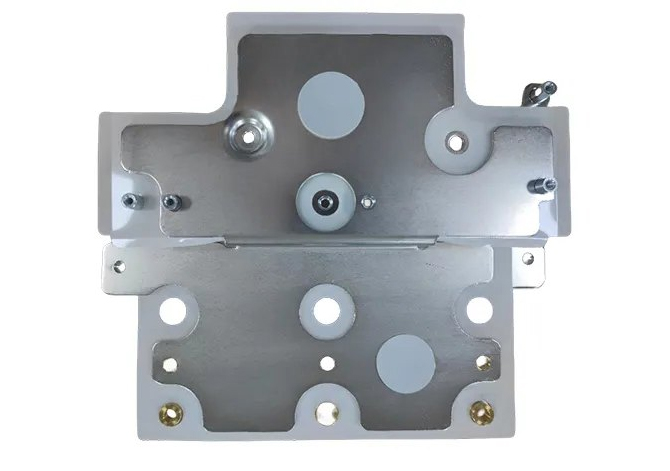
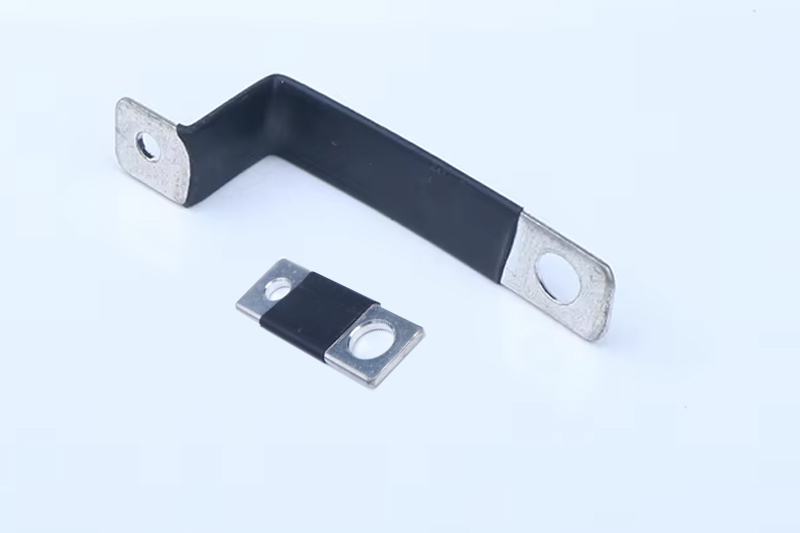
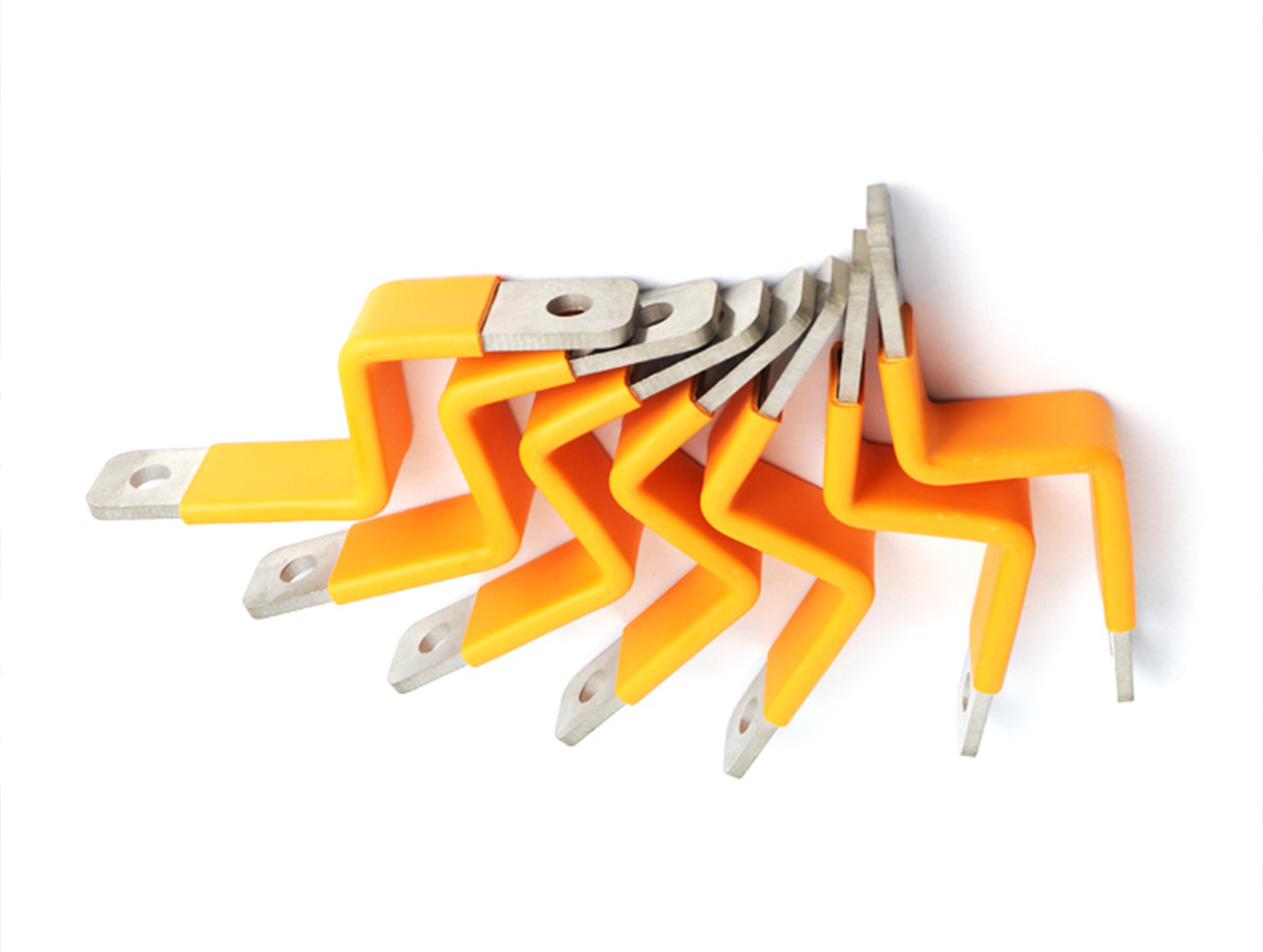
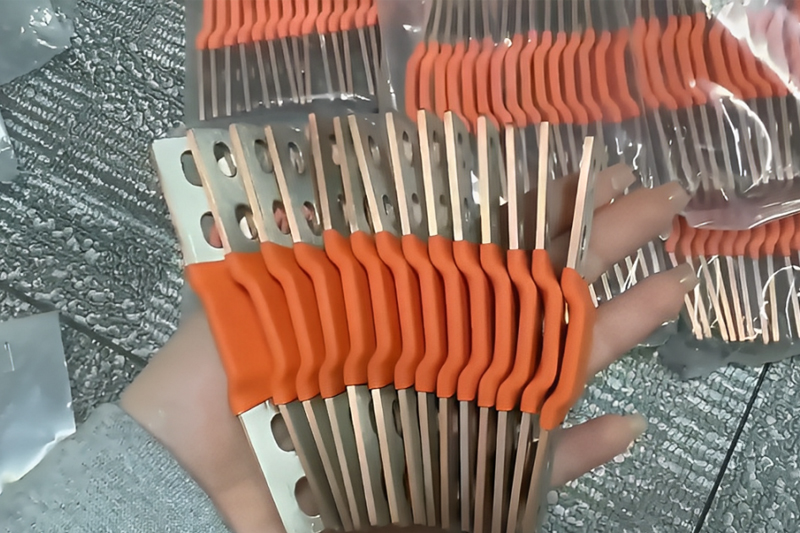
With the rapid development of the new energy industry, the high-current scenario requires increasingly stringent performance of conductive components. With its excellent conductivity, corrosion resistance, and solderability, 주석도금 구리 버스바 has become the core component of new energy vehicles, photovoltaic power generation, and other fields. This article starts from the scientific principles of tin-plating process, combined with 7 technical dimensions, in-depth analysis of the selection criteria and application strategy of the tinned copper busbar, and authoritative data comparison to provide enterprises with landing solutions.
1. Benefits of tinned copper busbar
- 전도도 향상 및 안정성 최적화
- The conductivity of copper itself is as high as 58 S/m, but the conductivity of copper oxide on the surface decreases significantly. After tin plating, tin oxide (SnO₂) has better conductivity than copper oxide (CuO), which can reduce the contact resistance by up to 30%. Experimental data show that the temperature rise of tin-plated copper busbars is 15-20% lower than that of bare copper busbars(under the same current), which significantly reduces power loss.
- 내식성 대폭 향상
In the salt spray test, the thickness of the tin-plated layer ≥ 25 25μm copper busbar can withstand 1000 hours without corrosion, far more than the limit of 72 hours of bare copper. For example, in coastal photovoltaic power plants, the service life of tinned copper busbars can be extended to more than 15 years, reducing maintenance costs by 40%. - 납땜 공정 개선
무광 주석 도금의 표면 거칠기(Ra 값)를 0.8-1.6μm로 제어하면 납땜의 접합 강도가 50%보다 더 높아지고 플럭스 없이도 안정적인 연결을 실현할 수 있습니다. 테슬라 슈퍼차저는 이 공정을 사용하여 용접 효율을 3배 향상시킵니다.
2. 주석도금 공정
| 프로세스 유형 | 도금 두께 (μm) | 전도도(%IACS) | 시나리오 | 원가 지수(Bare Copper = 1) |
|---|---|---|---|---|
| 밝은 주석 | 8-12 | 85-90 | 스위치보드, 외장 부품 | 1.8 |
| 매트 주석(납땜 가능) | 12-15 | 80-85 | 커넥터 조각, PCB 납땜 | 2.2 |
| 핫딥틴 | 25-40 | 75-80 | 장비, 화학 환경 | 3.5 |
- Bright Tin: 미학과 기능의 균형
90GU 이상의 거울 광택(60° 각도에서 측정)을 갖춰 높은 수준의 외관이 요구되는 데이터 센터 전원 분배 캐비닛 및 기타 시나리오에 적합하지만 납땜 작업은 피해야 합니다. - 매트 주석: 산업용 연결을 위한 최고의 솔루션
닝더타임스 배터리 모듈에 사용되는 니켈 기본층(두께 2-5μm)을 도금하면 고온 저항을 200°C까지 높일 수 있으며, 불량 납땜률을 0.02%로 줄일 수 있습니다. - 열간주석: 극한 환경을 위한 보호 장벽
In offshore wind power projects, 40μm hot-dip tinned copper busbars are 10 times more resistant to sulfide corrosion than bare copper, which is especially suitable for industrial environments containing H₂S.
3. 도금 두께 재료
- 두께 선택
- 실내 건조 환경: 12.5μm(GB/T 2423.17 염수 분무 시험 레벨 4 표준 충족)
- 습/산업 환경 : 25μm (IEC 60068-2-11 엄격한 등급 테스트 통과)
- 화학/해양 환경: ≥30μm (NACE TM0172 표준 참조)
- C110 순구리의 대체 불가능성
C110 copper busbars with copper content ≥99.9%, conductivity up to 101% IACS, and bending formability 3 times higher than brass are the best substrates for the tin-plating process. An ultra-high voltage substation project was measured to show that the C110 copper busbar of the current-carrying capacity of 22% higher than the alloy copper.
4. 품질관리
- 도금 균일성 테스트
두께 매핑에는 X선 형광 분광기(XRF)를 사용하며, ≤±10%의 편차가 필요합니다(ASTM B568 표준 참조). - 본딩 테스트
ISO 2819에서 규정한 굽힘 시험(180° 굽힘 시 벗겨짐 없음) 및 열충격 시험(-40°C~150°C 사이클 5회)에 합격하였습니다. - 환경보호 프로세스 업그레이드
선도적인 기업들은 시안화물이 없는 주석 도금 공정(예: 구연산염 시스템)을 채택하여 90%에 따라 폐수의 독성을 줄이고 RoHS 3.0 표준을 준수하고 있습니다.
5. 산업 응용
- 신에너지 자동차용 고전압 시스템
The BYD blade battery module adopts matte tin copper busbars, with contact resistance stabilized at below 0.15 mΩ, supporting 600 A continuous current. - PV 인버터 토폴로지 최적화
Sunny Power’s latest string inverter uses tinned copper busbars to increase the power density to 1.5W/cm³, and the efficiency breaks through 99%.
요약하다
기술의 획기적인 발전 주석 도금 구리 버스바 busbars is reshaping the competitive landscape of the new energy industry. From the quantum-level optimization of electrical conductivity to the reliability of extreme environments, the scientific selection of plating processes and thicknesses has become the core strategy of cost reduction and efficiency. With the strategic deployment of high-end materials, the tinned copper busbar will accelerate to aerospace, smart grid and other cutting-edge areas of penetration, opening a new era of conductive components.
Related Post
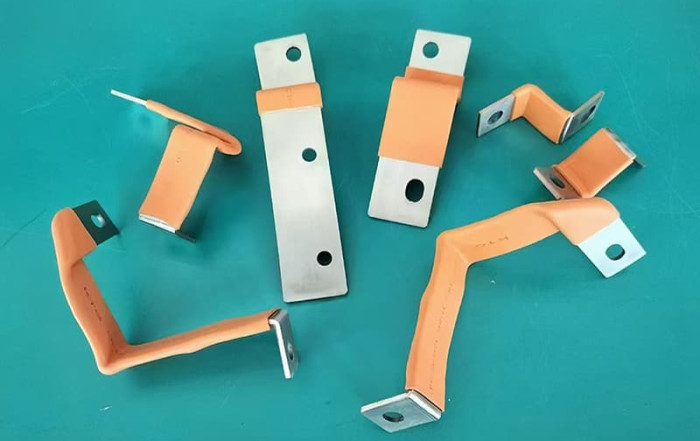
Why can’t a copper busbar and an aluminum busbar be directly connected?
[email protected]2025-12-08T02:54:03+00:0012월 8th, 2025|0 Comments
Introduction Copper busbars and aluminum busbars are the two most commonly used conductive materials in the field of power systems and industrial distribution. Due to differences in cost, resource availability, and technical requirements, they often

How Do You Calculate the Size of a Copper Busbar?
[email protected]2025-06-06T06:54:57+00:006월 6th, 2025|0 Comments
1. Introduction to Busbar Sizing Accurate copper busbar sizing is vital for secure, dependable, and effective electric circulation. Busbars disperse high currents in switchgear and panelboards. Inappropriate sizing reasons extreme warmth, power loss, voltage
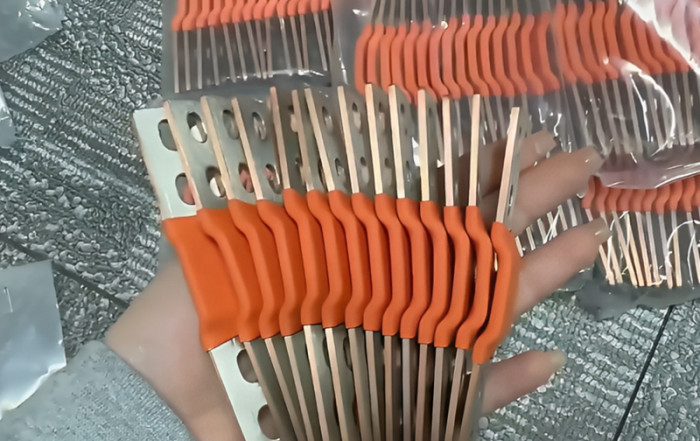
10 Essential Tips for Working with Copper Busbars
[email protected]2025-06-03T06:35:28+00:006월 3rd, 2025|0 Comments
In modern power systems, copper busbars have actually become a core element in power transmission and distribution because of their superb electric conductivity, rust resistance and mechanical strength. As a specialist manufacturer of copper
A Guide to Maintaining Copper Busbars Effectively
[email protected]2025-05-28T06:09:36+00:005월 28th, 2025|0 Comments
As a core component of power transmission systems, copper busbars are an important choice for industry due to their high electrical conductivity, corrosion resistance and mechanical strength. However, the durability of its performance is
How to Install Copper Bus Bars for Electrical Systems
[email protected]2025-05-27T07:25:44+00:005월 27th, 2025|0 Comments
As a copper busbar manufacturer, we are well aware of its central role in electrical systems. With its excellent electrical conductivity, mechanical strength and corrosion resistance, copper busbar has become a key component in
Everything you need to know about copper busbars
[email protected]2025-05-19T02:55:47+00:005월 15th, 2025|0 Comments
Nam lacinia arcu tortor, nec luctus nibh dignissim eu nulla sit amet maximus.
연락하기
우리는 모든 맞춤형 버스바를 제공합니다
관련 게시물
Introduction Copper busbars and aluminum busbars are the two most commonly used conductive materials in the field of power systems and industrial distribution. Due to differences in cost, resource availability, and technical requirements, they often need to be connected and used in practical applications. However, directly connecting copper aluminum busbars can pose serious safety hazards.

 Korean
  English
  Arabic
  German
  Spanish
  French
  Russian
  Danish
  Japanese
  Italian
  Vietnamese
  Turkish
  Dutch
Dutch  Portuguese
  Thai
Thai  Swedish
  Greek
Greek  Polish
  Estonian
  Esperanto
  Hindi
Hindi  Indonesian
  Latvian