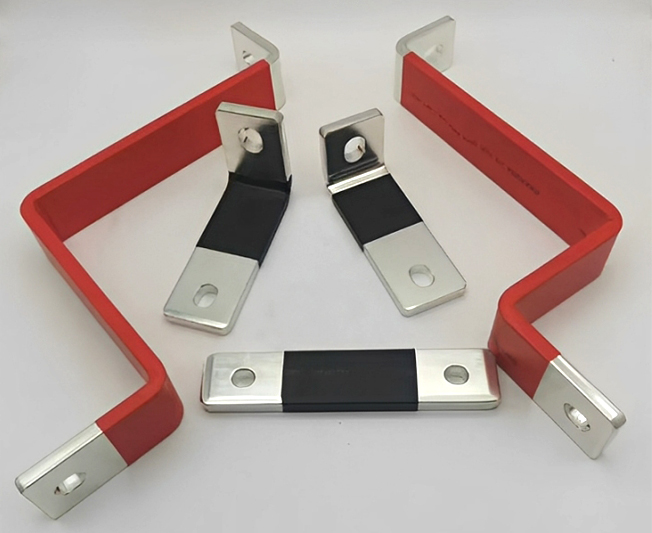
이 기사에서는 표면 처리의 필요성에 대해 논의합니다. 구리 모선 실험 데이터를 업계 사례와 비교하여 부싱을 평가합니다. 산화 영향, 처리 공정 선택, 비용-편익 분석 및 기타 주요 차원을 포함하는 10가지 핵심 주장을 담고 있으며, 회사가 구리 열 선택 전략을 최적화하는 데 도움이 되는 권위 있는 외부 링크가 있는 의사 결정 참조 양식을 제공합니다.
1. 표면처리에 꼭 필요한 5가지 핵심조건
| 환경 지표 | 중요 가치 | 치료 요구 사항 | 시험 표준 |
|---|---|---|---|
| 상대 습도 | >85% 오른쪽 | 필수 도금 | 국제전기기술자협회(IEC) 60068-2-78 |
| 소금 분무 농도 | >5mg/m³ | 3중 레이어 복합 코팅 | ASTM B117 |
| 작동 온도 | >105°C | 실버/니켈 도금 마감 | UL 486A |
| 진동 강도 | >3.5그램 | 기계적 보강 마무리 | 군사표준 810G |
| 오염 등급 | PD3 이상 | 완전 단열 패키지 | 국제전기기술자협회(IEC) 60664-1 |
2. 표면처리 공정 비용-편익 분석
a. 주석 도금 공정
가격: 15-20위안/미터 증가(2023년 상하이 시장 가격)
장점: 40% 접촉 저항 감소(MIT Materials Lab 데이터)
사례 : 슈나이더 NSX 시리즈 회로 차단기, 0.8 주석 도금층 사용, 온도 상승 12K 감소
b. 은도금 공정
전도도 향상: 표면 저항률 1.59μΩ-cm, 베어 구리보다 8% 낮음(Plating & Finishing 저널 참조)
경제: 은 가격 변동으로 인해 300-500RMB/kg의 비용 증가(런던 은 거래소 실시간 데이터)
3. 단열처리의 혁신적 돌파구
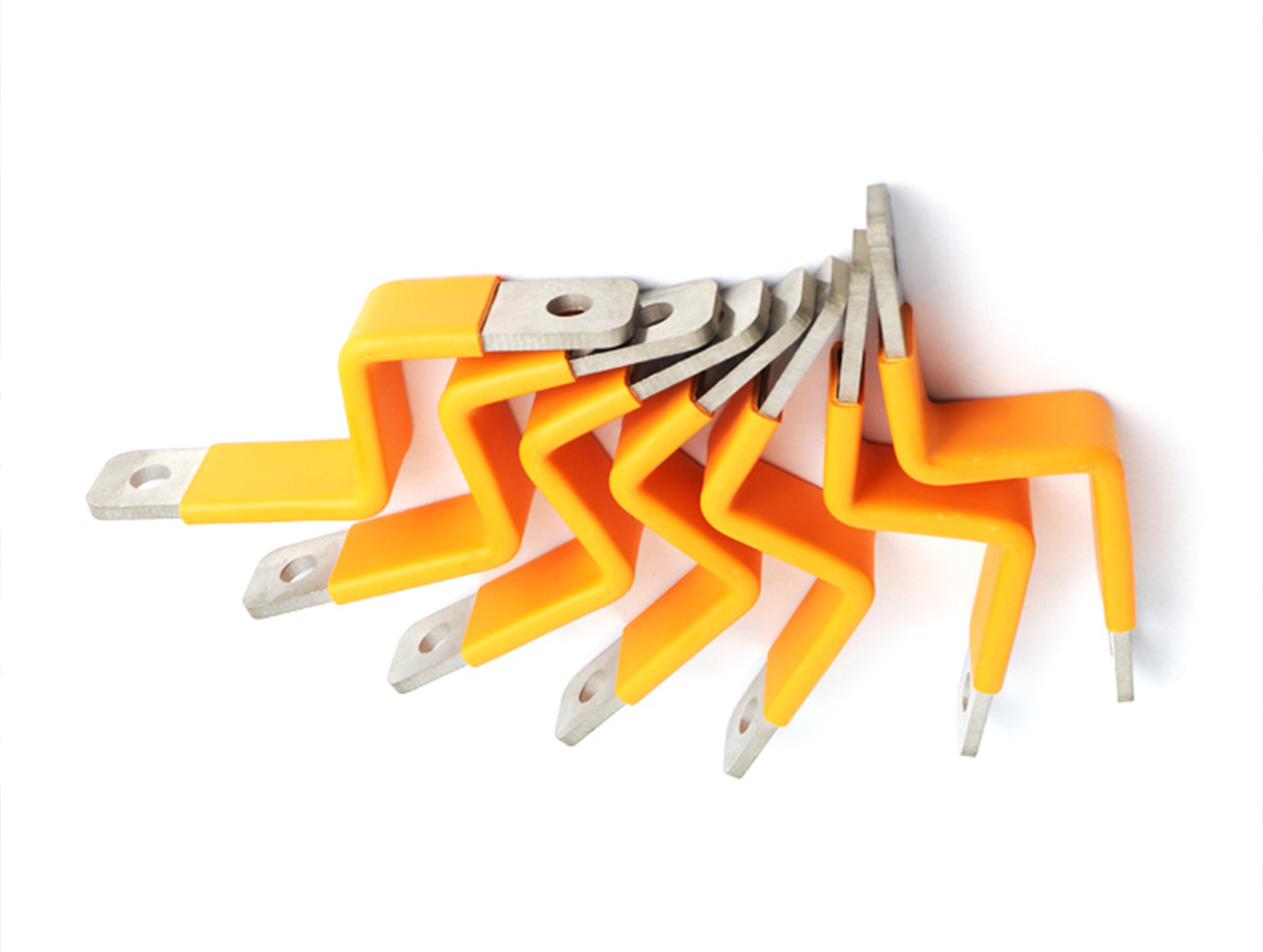
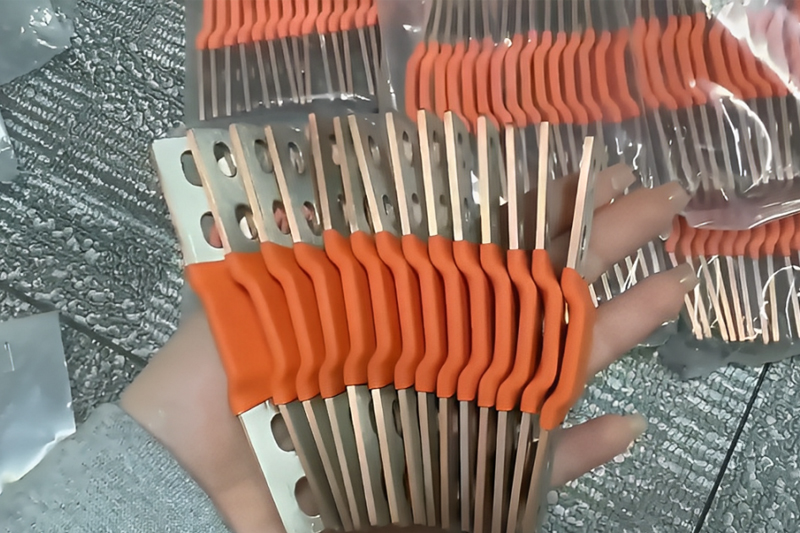
에폭시 수지 분사와 열 수축 튜브의 성능 비교:
| 매개변수 | 에폭시 수지 | 열 수축 튜빙 |
|---|---|---|
| 분해 강도 | 35kV/mm | 28kV/mm |
| 열 사이클 수명 | 2000 사이클 | 1500 사이클 |
| 건설 효율성 | 3m/분 | 8m/분 |
| 환경 등급 | RoHS 2.0 | 도달하다 |
4. 단열처리의 에너지 효율 균형
논거 8: 열 수축 튜브의 열 저항 효과
3M의 단열재 핸드북에 따르면 2mm 두께의 열 수축 튜브는 구리 줄의 열 효율을 28%만큼 감소시키며 이는 전류 전달 보정 계수 K=0.82로 보상해야 합니다.
5. 스위치기어에 널리 사용할 수 있는 이유는 무엇입니까?
건조하고 깨끗한 산업 환경에서 맨 구리 줄은 다음과 같은 기술적 수단을 통해 성능을 유지합니다.
정밀 조립 공정: DIN 43671 표준 볼트(토크 값은 8-12N-m로 제어됨)를 사용하여 금속 표면의 직접 접촉을 실현하고 접촉 저항은 최소 15μΩ까지 낮출 수 있습니다.
산화물층 보호 메커니즘: 초기 산화피막 두께는 약 0.5-3μm이고 열전도도는 80℃에서 400W/(mK)에 도달하는데, 이는 순수 구리보다 14배 높습니다.
6. 당국의 제안
- IEEE 표준 권장 사항: 구리 도금 두께 대 구리 스트립의 전류 전달 용량
- ASTM 부식 테스트 방법: B827 염수 분무 테스트 사양
- EU RoHS 지침: 유해 물질 제한 목록
7. 전형적인 사례 연구
해상 플랫폼 프로젝트:
과제 : 염분 분무 농도 22mg/m³, 습도 98%RH
해결방법 : 니켈도금(25μm) + 실리콘 실링
결과: 5년 유지보수 주기가 8년으로 연장, 고장률 73% 감소
요약
Surface treatment of copper busbars needs to balance technical specifications with economics. Key decision points include:
- 환경부식성 평가
- 평생 비용
- 유지 보수 요구 사항의 용이성
- 온도 상승 제어 요구 사항
- 환경 준수
- DeepL.com으로 번역됨(무료 버전)
Related Post
Why can’t a copper busbar and an aluminum busbar be directly connected?
[email protected]2025-12-08T02:54:03+00:0012월 8th, 2025|0 Comments
Introduction Copper busbars and aluminum busbars are the two most commonly used conductive materials in the field of power systems and industrial distribution. Due to differences in cost, resource availability, and technical requirements, they often

How Do You Calculate the Size of a Copper Busbar?
[email protected]2025-06-06T06:54:57+00:006월 6th, 2025|0 Comments
1. Introduction to Busbar Sizing Accurate copper busbar sizing is vital for secure, dependable, and effective electric circulation. Busbars disperse high currents in switchgear and panelboards. Inappropriate sizing reasons extreme warmth, power loss, voltage
10 Essential Tips for Working with Copper Busbars
[email protected]2025-06-03T06:35:28+00:006월 3rd, 2025|0 Comments
In modern power systems, copper busbars have actually become a core element in power transmission and distribution because of their superb electric conductivity, rust resistance and mechanical strength. As a specialist manufacturer of copper
A Guide to Maintaining Copper Busbars Effectively
[email protected]2025-05-28T06:09:36+00:005월 28th, 2025|0 Comments
As a core component of power transmission systems, copper busbars are an important choice for industry due to their high electrical conductivity, corrosion resistance and mechanical strength. However, the durability of its performance is
How to Install Copper Bus Bars for Electrical Systems
[email protected]2025-05-27T07:25:44+00:005월 27th, 2025|0 Comments
As a copper busbar manufacturer, we are well aware of its central role in electrical systems. With its excellent electrical conductivity, mechanical strength and corrosion resistance, copper busbar has become a key component in
Everything you need to know about copper busbars
[email protected]2025-05-19T02:55:47+00:005월 15th, 2025|0 Comments
Nam lacinia arcu tortor, nec luctus nibh dignissim eu nulla sit amet maximus.
연락하기
우리는 모든 맞춤형 버스바를 제공합니다
관련 게시물
Introduction Copper busbars and aluminum busbars are the two most commonly used conductive materials in the field of power systems and industrial distribution. Due to differences in cost, resource availability, and technical requirements, they often need to be connected and used in practical applications. However, directly connecting copper aluminum busbars can pose serious safety hazards.


 Korean
  English
  Arabic
  German
  Spanish
  French
  Russian
  Danish
  Japanese
  Italian
  Vietnamese
  Turkish
  Dutch
Dutch  Portuguese
  Thai
Thai  Swedish
  Greek
Greek  Polish
  Estonian
  Esperanto
  Hindi
Hindi  Indonesian
  Latvian