
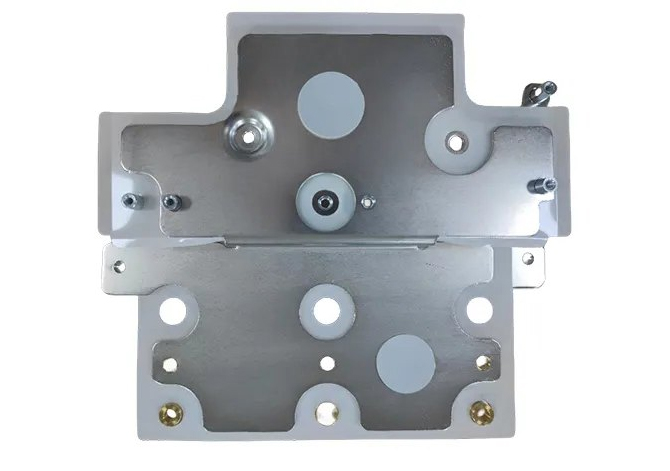
Laminēta kopne
Mēs bijām uzticams vara kopņu stieņu piegādātājs vairāk nekā 10 gadus. Kā uzticams vara kopņu risinājumu piegādātājs mēs piedāvājam izcilus produktus, kas atbilst jūsu vajadzībām attiecībā uz elektroenerģijas sadali.
- Augsta elektrovadītspēja ar slāņveida vara vai alumīnija loksnēm.
- Izturīga konstrukcija iztur vides faktorus.
- Izturīgs pret koroziju, nodrošinot ilgstošu darbību.
- Pielāgojams dažādās formās, izmēros un konfigurācijās
Jūsu Premier laminētās kopnes ražotājs un piegādātājs
We provide high-performance laminated busbars specifically designed for industrial applications, which are made of multiple layers of high-purity copper or aluminum through a precision lamination process, combining ultra-low resistance and high heat dissipation characteristics. The products support full-dimensional customization (shape, size, curvature) to flexibly adapt to complex space layouts; corrosion-resistant and anti-mechanical stress design to adapt to high and low temperatures, vibration and other harsh working conditions. We have passed IEC 61373 and other international certifications, and implemented zero-defect control in the production process to ensure that each product has a voltage resistance of >5kV and a life span of >100,000 cycles. They have been successfully applied in power generation system, new energy vehicle triboelectric system, aerospace equipment and other scenarios, providing standardized and customized solutions for highly reliable power transmission.
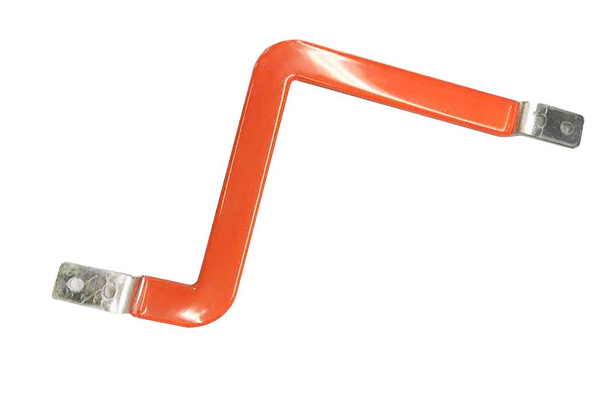
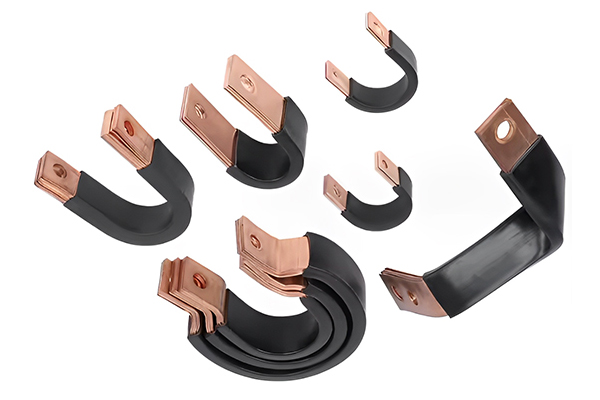
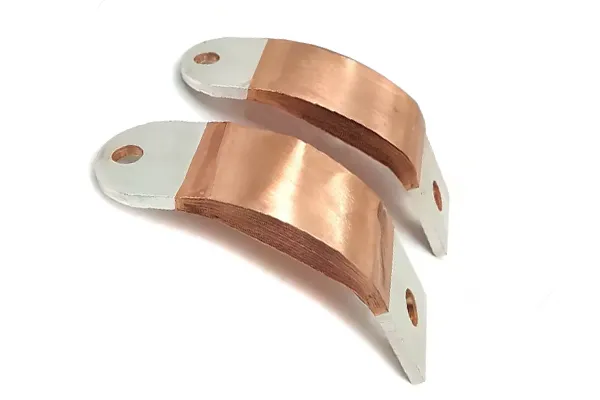
| Preces veids: | laminēta kopne |
|---|---|
| Biezums: | 0.03mm-0.3mm (copper foil), tensile strength ≥379N, conductivity ≥57. |
| Nominālais spriegums: | 400V-110kV, current carrying capacity up to thousands of amperes. |
| Bending life: | 0~3600A |
| Vadītāja materiāls: | T2 electrolytic copper (purity ≥99.9%) or aluminum. |
| Izolācijas materiāls: | Polyester (PET), polyimide (PI) or epoxy resin, temperature resistance range -40°C to 200°C, flame retardant rating UL V0 |
| Inductance: | ≥ 100,000 times (flexible busbar), anti-vibration performance in accordance with IEC 61373 standard. |
| Temperatūras paaugstināšanās: | 0–30 tūkst |
| Vadītāja virsmas apstrāde: | Pasivēšana, sudraba / alvas / niķeļa pārklājums |
-
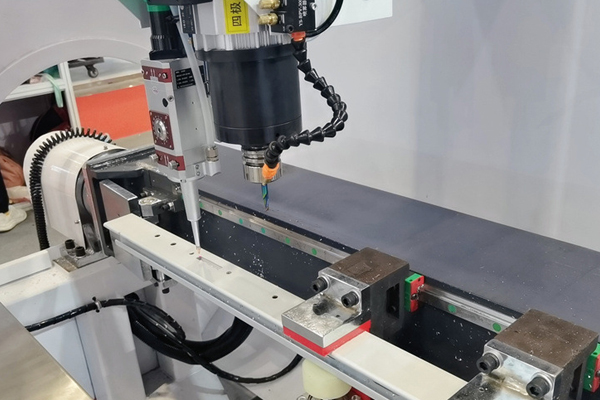
- Urbšana un frēzēšana
-
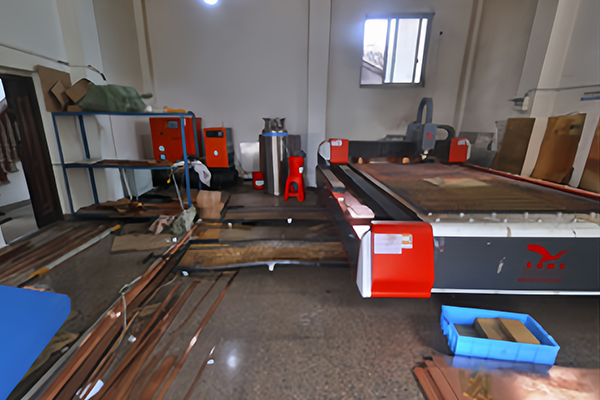
- Griešana
-
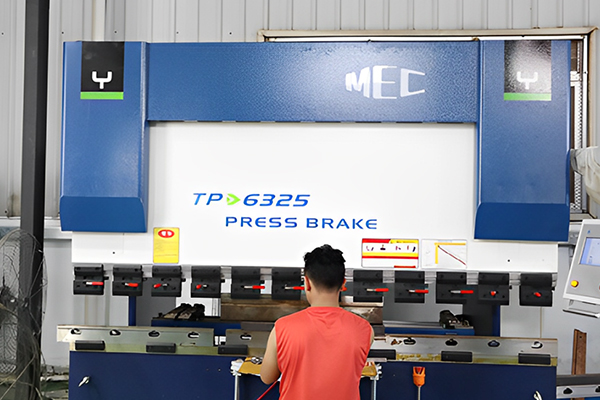
- Liekšana
-
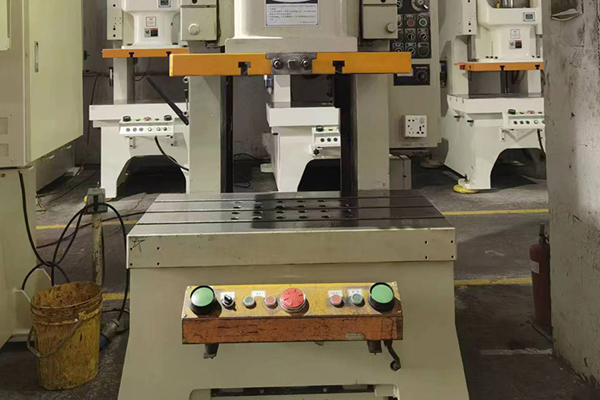
- Apzīmogošana
-
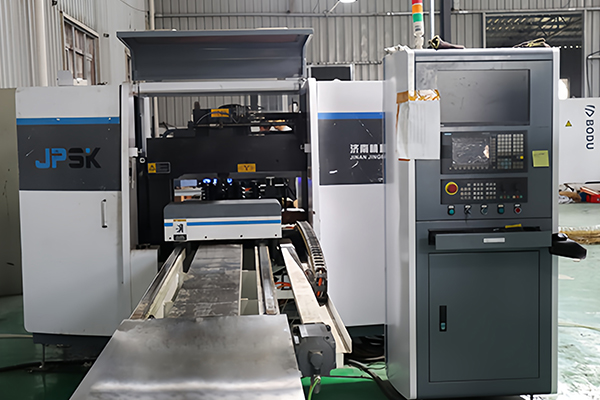
- Lāzera griešana
-
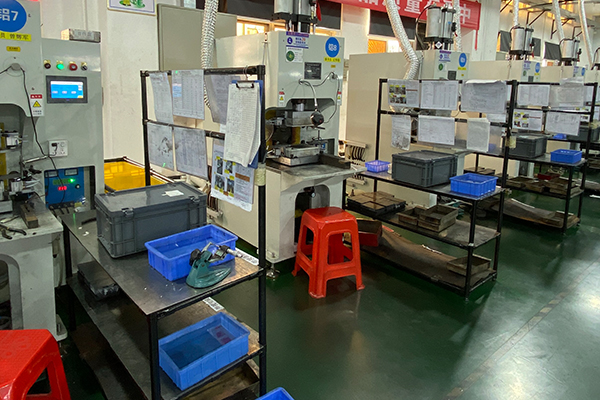
- Metināšana
-
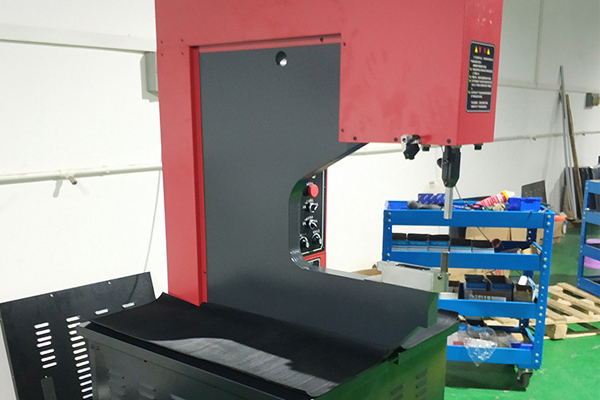
- Kniedēšana
-
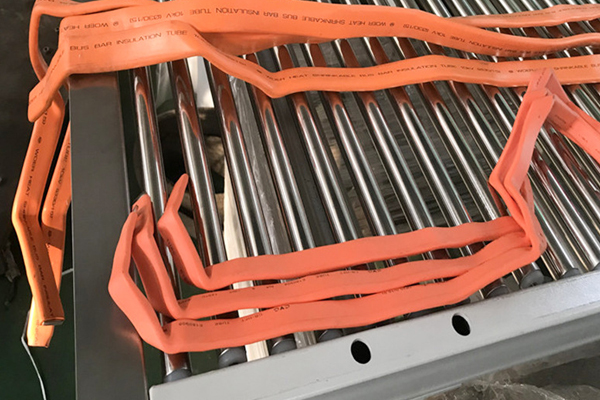
- Apvalks
-
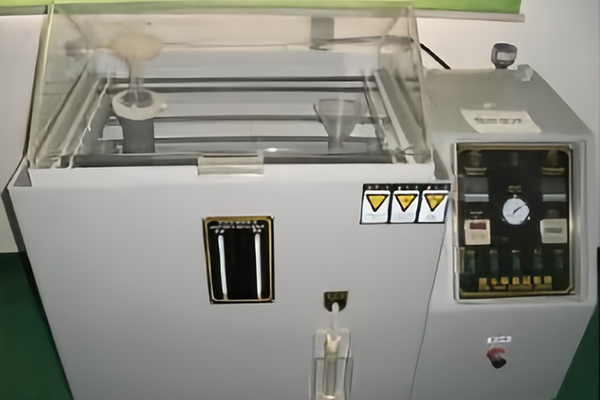
- Testēšana
-
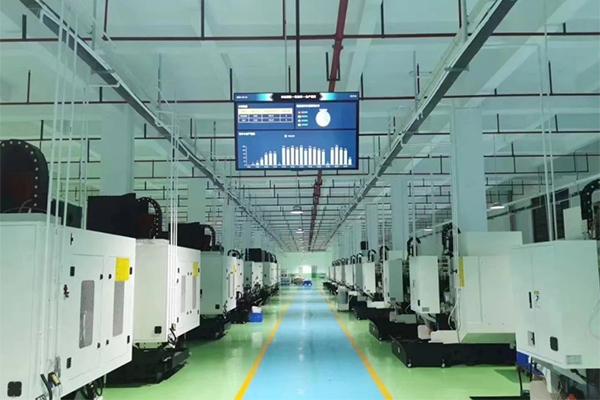
- CNC darbnīca 1
-
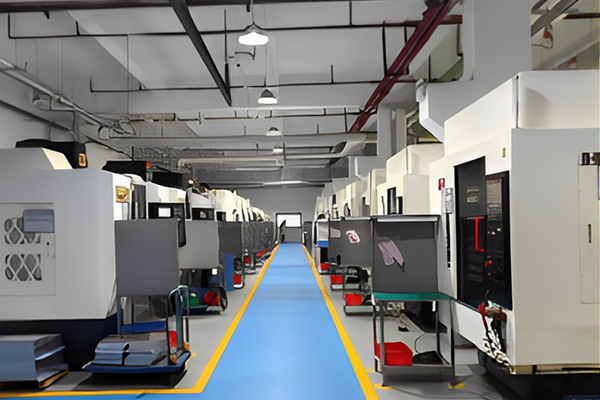
- CNC darbnīca 2
-
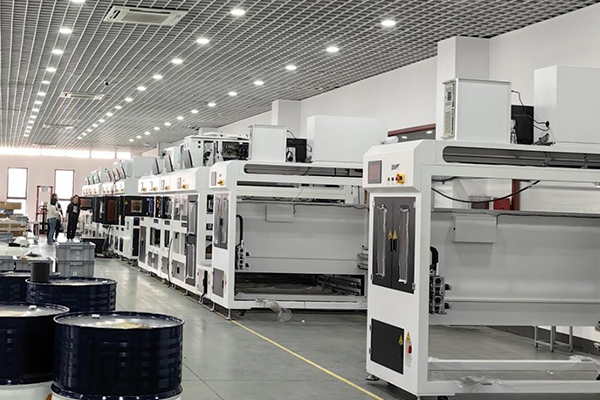
- CCS ražošanas līnija
-
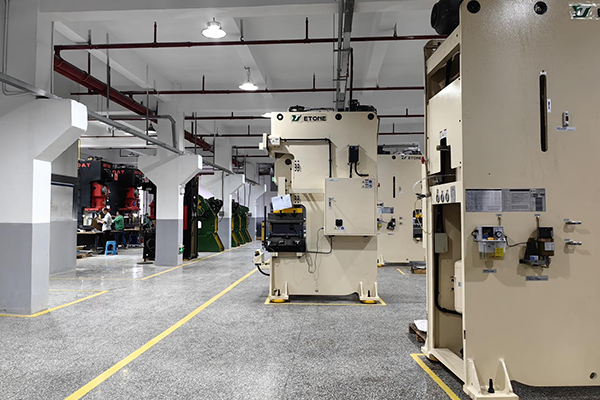
- Zīmogošanas darbnīca
-
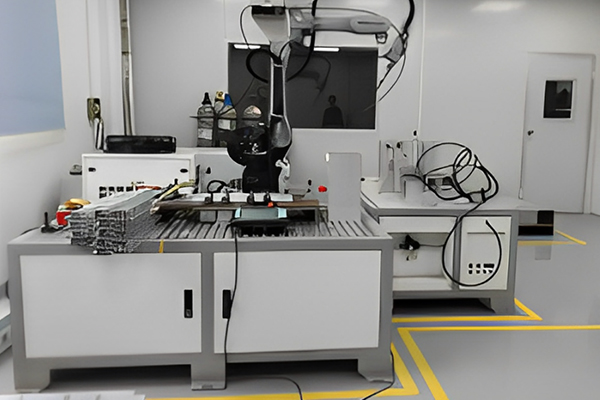
- Lāzermetināšanas darbnīca
-
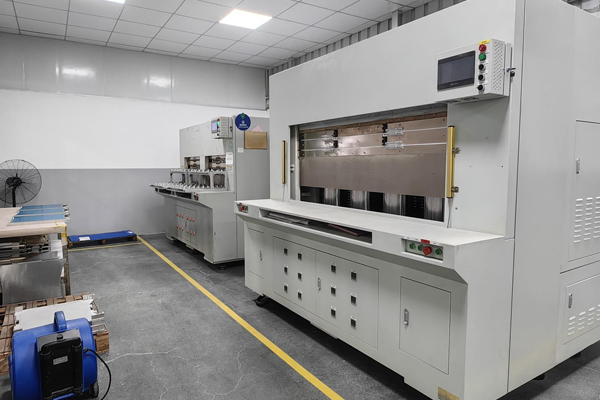
- Karstās presēšanas darbnīca
-
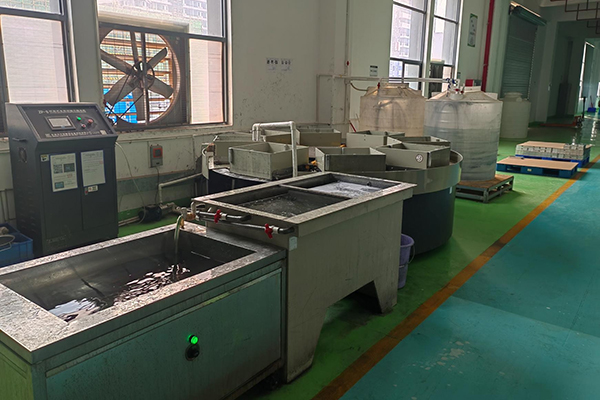
- Magnētiskā slīpēšanas līnija
-
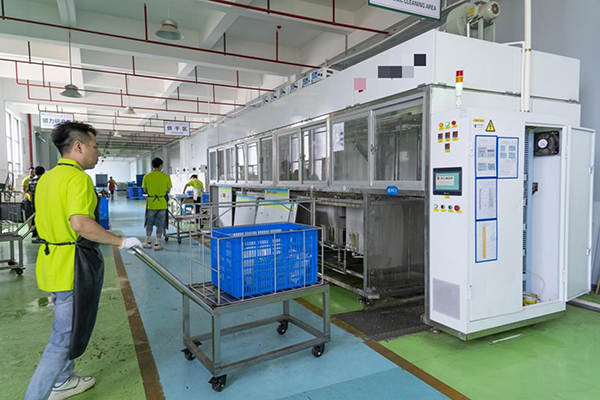
- Ultraskaņas tīrīšanas līnija
-
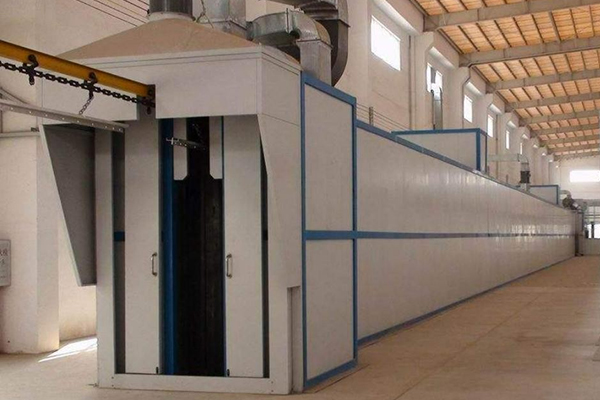
- Pulvera izsmidzināšanas darbnīca
Jūsu profesionālais vara kopņu stieņu piegādātājs
Laminētas kopnes ir būtiskas sastāvdaļas, ko izmanto dažādās elektroenerģijas sadales elektriskajās sistēmās. Kā rūpnīca mēs piedāvājam laminētas kopnes, kas parasti piedāvā virkni produktu un pakalpojumu, kas pielāgoti dažādām nozares vajadzībām. Šeit ir dažas galvenās funkcijas un piedāvājumi, ko varat sagaidīt no šiem ražotājiem:
Galvenās funkcijas un pakalpojumi
Pielāgošana:
1. Parameter and material selection
- Conductive material: Electrolytic copper (purity ≥99.9%) or aluminum, copper foil thickness range 0.03-0.3mm, aluminum needs to meet the tensile strength ≥379N.
- Insulation material: choose polyimide (PI, temperature resistance >200°C) or polyester (PET, low cost and high CTI) according to the demand of temperature resistance, and the flame retardant grade reaches UL V0.
- Structural design: support L-type, U-type and other shaped customization, flexible busbar for dynamic scenarios (e.g. rail transit), rigid busbar for fixed installation (e.g. substation).
2. Process optimization
- Lamination parameters: Adjust temperature (160-180°C), pressure (6-10MPa), time, etc. through experimental verification, combined with vacuum pumping (≥5 minutes) to avoid air bubbles.
- Integrated design: For example, CCS integrated busbar (FPC+aluminum busbar+blister bracket) can replace the traditional wiring harness to achieve automated assembly and space optimization.
3. Special Demand Response
- High temperature/low inductance: 220°C resistant insulating material and low dielectric binder for SiC/GaN power modules.
- Intelligent monitoring: Integrated flexible circuit and thermal sensor to realize real-time monitoring of battery pack voltage and temperature.
Ražošanas iespējas:
- Production capacity scale: Annual production capacity reaches more than 300,000 pieces of traditional composite busbars and 1,000,000 pieces of integrated busbars (upgraded to 2,000,000 pieces after newly added production lines).
- Production process efficiency: Adopting automated hot press laminating production line, it supports the delivery of large-volume orders, and the cycle time can be shortened to 24 hours (for urgent orders
Testēšana un kvalitātes nodrošināšana:
1. Test Items
- Electrical performance: Resistance (≤0.5mΩ/m), inductance (≤0.1μH/m) test; Local discharge test (PD test), voltage withstand level up to 5kV or above.
- Mechanical properties: Bending life ≥100,000 times (flexible busbar), vibration test in accordance with IEC 61373 standard.
- Environmental reliability: Salt spray test (corrosion resistance), high and low temperature cycling (-40°C to 200°C).
2. Quality assurance measures
- Process control: first piece inspection, process inspection, full inspection of finished products, combined with FMEA (Failure Mode Analysis) and DFM (Design for Manufacturability) techniques.
- Equipment Maintenance: Regular calibration of laminator temperature and pressure parameters, cleaning of vacuum pumps and cooling systems.
- Certification standards: ISO 9001 (quality management), AS9100C (aerospace) and other certifications, some manufacturers have IRIS (rail transportation) certification.
3. After-sales guarantee
- Provide more than 5 years service life commitment, regular maintenance recommendations (such as infrared temperature measurement, pressure resistance retest).
- Non-conforming products processing: isolation analysis → process adjustment → rework / scrap → data traceability improvement.
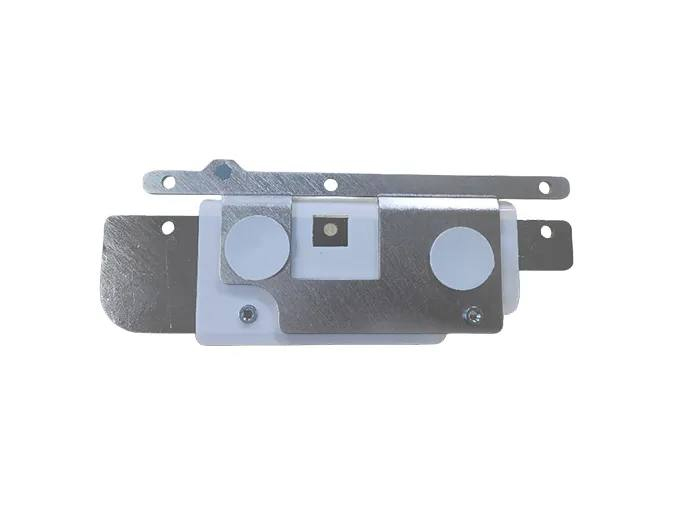
Laminated Busbar Production Process:
1. Raw material preparation:
- Conductive layer: Copper/Aluminum foil cut, polished, plated (tin/silver plated).
- Insulation layer: Polyester film or epoxy prepreg cut.
2. Stacking and Lamination: Alternate stacking of conductive and insulating layers, curing and molding by hot press at high temperature (160°C-180°C) and high pressure (6-10MPa).
3. Welding and Assembly: Laser welding or resistance welding to connect the terminals, assembly of insulated brackets and connectors.
4. Quality Testing: Conductivity test (resistance, inductance), insulation withstand voltage test (≥3kV), mechanical strength test.
Laminētas kopnes pielietojums:
- Power System: Substation, Smart Grid, Extra High Voltage Transmission
- New Energy: Photovoltaic inverters, wind turbines, energy storage systems
- Industrial Automation: Inverters, Welders, Machine Tool Power Transmission
- Transportation: Electric Vehicle Battery Connections, High Speed Rail Traction Systems
- Data Center: Server Cabinet Power Distribution, UPS Uninterruptible Power Supply
Laminētajai kopnei ir vairākas priekšrocības:
- Efficient Conductivity: Multi-layer structure reduces resistance and inductance to minimize energy loss.
- Excellent heat dissipation: Flat design increases the heat dissipation area, and the temperature rise is 30%-50% lower than the traditional bus bar.
- Compact and flexible: 50% less volume than cable, supports customized shapes (e.g. L-type, U-type).
- Safe and reliable: insulation layer is resistant to high temperature and aging, and the protection level reaches IP65.
- Environmental protection and energy saving: lead-free process, material recycling rate ≥95%.
Bieži uzdotie jautājumi
Q1: What are the advantages of laminated busbar over cable?
A: Laminated busbar has higher current density (up to 2-3 times that of cable) and no skin effect, which makes it suitable for high-frequency scenarios.
Q2: How to solve the air bubble problem in production?
A: Optimize the vacuum pumping time (suggested ≥5 minutes), control EVA water content ≤0.3%, and use surface embossed film to enhance the exhaust.
Q3: What is the selection basis of flexible busbar and rigid busbar?
A: Flexible busbar is suitable for dynamic environment (e.g. rail transportation), and rigid busbar is used for fixed installation scenarios (e.g. substation).
Q4:Insulation material choose PET or PI?
A: PET has low cost and high CTI (for high voltage), PI has better temperature resistance (>200°C) and is suitable for welding scenarios.
Q5: How to maintain the laminated busbar?
A: Regular infrared temperature measurement (hot spot ≤70°C), clean insulation surface, and voltage resistance retest every 5 years.
 Latvian
  English
  Arabic
  German
  Spanish
  French
  Russian
  Danish
  Japanese
  Italian
  Vietnamese
  Turkish
  Dutch
Dutch  Portuguese
  Thai
Thai  Swedish
  Korean
  Greek
Greek  Polish
  Estonian
  Esperanto
  Hindi
Hindi  Indonesian