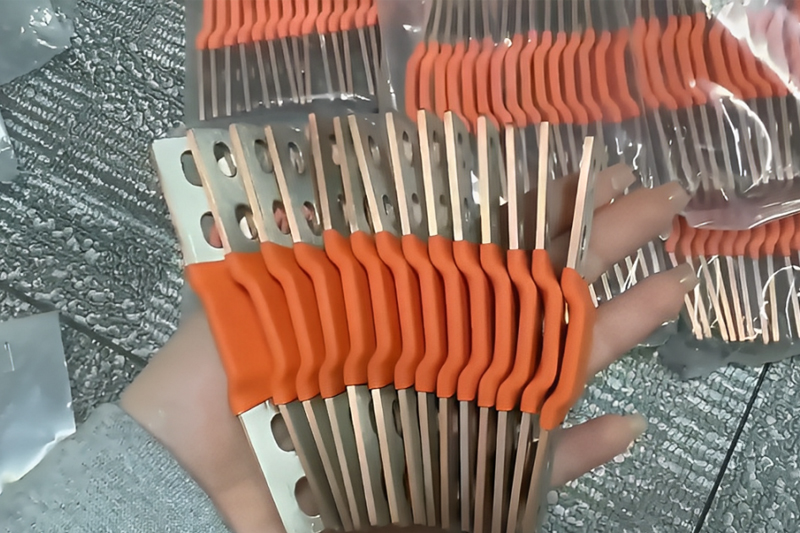
In modern power systems, koperen busbars have actually become a core element in power transmission and distribution because of their superb electric conductivity, rust resistance and mechanical strength. As a specialist manufacturer of copper busbars, we understand that correct use not just takes full advantage of item performance, but also extends life span. Below are 10 useful suggestions we summed up, covering the entire procedure from layout to maintenance, to help you use copper busbar efficiently and securely.
1. Copper busbar selection
Copper busbar selection requires comprehensive consideration of current lots, environmental problems and system design. The complying with are the vital parameters for selection:
- Existing carrying ability: Determine the cross-sectional area of the busbar according to the optimum current of the system. For instance, for a tons of 1000A, it is recommended to pick a copper busbar with a cross-sectional area of ≥ 100mm TWO. If the ambient temperature surpasses 40 ℃, it is required to adjust the current-carrying ability according to the guideline of lowering the capability by 1% for every single 1 ℃ boost.
- Ecological versatility: In high humidity or harsh atmospheres, preference is offered to tinned or galvanized copper busbars with protection scores as much as IP55. For high-temperature scenarios (e.g., near industrial heaters), it is recommended to use copper tubular busbars protected with polytetrafluoroethylene (PTFE), which have the ability to stand up to extreme temperature levels varying from -250 ° C to +340 ° C.
- Mechanical toughness: Tubular busbars have a bigger area variable and are suitable for huge period installations, while rectangular busbars are more suitable for dense distribution cupboards.
2. Copper busbar installation
The installation procedure requires to follow rigorous process requirements to prevent concealed dangers caused by incorrect operation:
- Brace design: hot-dip galvanized angle steel or aluminum alloy bracket, the spacing is changed according to the kind of busbar (e.g., one bracket for every 1.5 meters of rectangular busbar). For tubular busbar, springtime shock absorbers can be utilized to minimize the impact of resonance.
- Link process: When bolting, a torque wrench need to be utilized to tighten up the bolts according to the common value (e.g., the torque of M10 screws is 27-32N-m), and anti-oxidation oil needs to be applied to the strings. When welding, give top priority to argon arc welding, usage argon gas security with purity ≥ 99% to ensure that the weld is free of air holes and cracks.
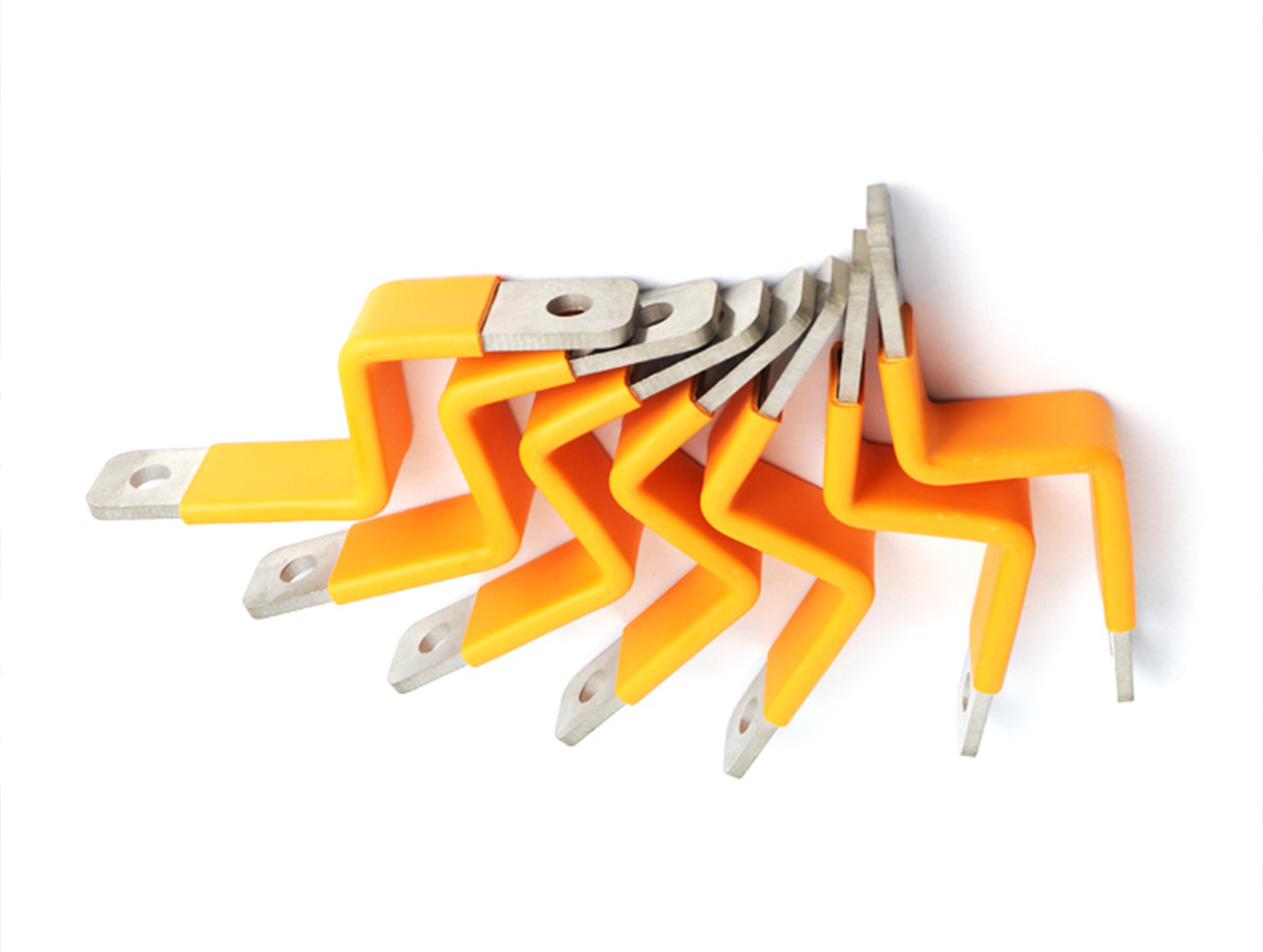
- Insulation therapy: PVC or TPE insulation sleeve can be made use of for low voltage system, and NOMEX paper or polyimide movie (PI/KAPTON) is suggested for high voltage circumstance, which has far better dielectric toughness and warm resistance.
- Keep in mind: A development void (about 0.5 mm per meter) must be booked during installment to prevent stress focus due to thermal growth and tightening.
3. Copper barsabr Warm Dissipation
The temperature level rise of copper busbar straight impacts its current-carrying capacity and life, and requires to be controlled with style and material selection:
- Architectural layout: The hollow framework of tubular busbar can create all-natural convection, and the warm dissipation effectiveness is greater than 20% higher than that of rectangular busbar. In high-current circumstances, multi-piece busbars can be utilized or warm sink fins can be included.
- Surface area therapy: Using black heat-absorbing coating (e.g., black paint) improves the performance of induction heat dissipation, which is especially ideal for encased environments. Silver-plated copper busbars can boost the allowable temperature level increase to 70K and increase the current-carrying capacity by 7.5% compared to bare copper rows.
- Environmental protection: Maintain the installation environment completely dry and ventilated, stay clear of utilizing in high temperature (> 40 ℃) or high moisture (> 80% RH) atmosphere.
Computation instance: a 1000A busbar in 45 ℃ setting, the real capacity reduction after the lots capability of 950A; if at the very same time in 3000 meters over water level, the total capability reduction coefficient of 0.8075, the lots capability down to 807.5 A.
4. Copper barsbar Connection
The connected part is the weak link of the system, which needs to be enhanced in regards to both material and process:
- Call surface treatment: make use of sandpaper or mechanical polishing to eliminate the oxidized layer and ensure that the surface area roughness is ≤ 1.6 μm. tinned busbar has a get in touch with resistance 30% less than that of bare copper and stops electrochemical corrosion.
- Fastener selection: Priority is offered to using 8.8 quality stainless steel screws to prevent the formation of possible difference with the copper busbar. For high-current connections, copper-aluminum transition joints can be utilized to avoid “copper-aluminum corrosion”.
- Evaluating and verification: Gauge the get in touch with resistance with a microohmmeter after setup (≤ 50μΩ is suggested), and discover the distribution of temperature level rise through infrared thermal imaging.
- Sector requirement: According to IEEE 1580-2021, the contact resistance of busbar connection should be much less than 1.2 times of the resistance of busbar of the very same size.
5. Copper barsbar Connection Insulation and Defense
Insulation layout needs to take into account both electric performance and environmental flexibility:
- Product option: Low-voltage system: PVC or TPE sleeving is affordable, very easy to install, and ideal for circumstances below 380V.
High-voltage systems: Polytetrafluoroethylene (PTFE) protected tubular busbars can withstand voltages above 12kV and are self-lubricating, lowering rubbing damage. - Heat situations: NOMEX paper or masterpiece movie can be used for a very long time over 200 ° C and has a fire retardant score of UL94 V-0.
- Security degree: Outside or high dust environment, completely enclosed busway with IP54/IP55 score to stop dirt and water intrusion.
- Installment Tips: Insulation sleeves need to entirely cover the busbar ports and be sealed with heat-shrink tubing to prevent water vapor penetration.
6. Copper buabar Anti-corrosion
Although copper is a lot more resistant to rust, it still requires to be shielded in specific environments:
Surface plating:
- Tin plating: inexpensive, suitable for general commercial settings, can withstand salt spray test > 100 hours.
- Zinc plating: stronger defense, suitable for marine or high humidity setting, life span of greater than two decades.
- Silver plating: optimal conductivity, generally utilized in high regularity or precision equipment, but at a higher price.
Coating protection: Covered with acrylic or epoxy resin paint to resist chemical deterioration such as acid haze and lye. For outside applications, painting is suggested every 5 years.
Environmental Protection: Prevent utilizing bare copper busbars in destructive gas settings such as hydrogen sulfide (H TWO S) and chlorine (Cl ₂).
Upkeep Recommendations: Wipe the busbar surface routinely with a completely dry cloth and avoid utilizing chlorine-containing cleaners.
7. Copper busbar inspection and maintenance
Regular screening and maintenance is the crucial to avoid failures:
- Regular inspection: Check the appearance of the busbar on a monthly basis and observe whether there is any staining, cracks or contortion. Usage infrared thermography to spot hot spots, temperature increase over 60K needs to be quickly troubleshooting.
- Electric examination: Quarterly insulation resistance examination (≥ 20MΩ) and voltage stand up to test (1 min 2.5 kV) to make certain that the insulation performance depends on criterion.
- Attaching check: Review the screw torque with a torque wrench each year to prevent loosening up as a result of resonance. For devices with frequent starts and quits, it is suggested to inspect every 6 months.
Cleaning up and maintenance: Use compressed air to eliminate dirt, and clean the insulator surface area with anhydrous alcohol if essential to prevent creepage. - Device suggestion: Utilize an electronic millivoltmeter to test the get in touch with voltage decrease at multiple points with an accuracy of approximately 0.1 mV.
8. Copper busbar Environment
The effect of different ecological conditions on the efficiency of copper busbars requires to be targeted:
Heat setting:
Pick silver-plated busbar or increase the cross-sectional area, the allowable temperature increase to 70K.
Mount axial followers or air-conditioning systems to regulate the ambient temperature level below 40 ℃.
High altitude:
Readjust the capacity-carrying ability according to the policy of lowering ability by 5% for every 1,000 meters of altitude (e.g., 15% for 3,000 meters).
Take on warmth pipeline cooling module or increase the size of busbar to minimize the current thickness.
Damp setting:
Select completely confined busbar (IP55) or apply moisture-proof finishing.
Mount dehumidifiers to manage humidity listed below 60%.
9. Copper busbar Safety
Strict compliance with industry standards is a prerequisite for safety:
International standards:
– IEEE 1580-2021: Specifies general requirements for busbar design, testing and installation.
– IEC 60947-1: Safety Code for Low Voltage Switchgear.
Grounding system:
– PE wire cross-sectional area is not less than 50% of the phase wire, adopting overall grounding design with reactance value ≤ 0.1Ω.
– The grounding resistance should be ≤4Ω, and the grounding impedance test should be conducted once a year.
Certification tips: Export products need to meet UL, CE and other certification requirements to ensure access to international markets.
10. Copper busbar cost
- Material substitution: using tinned copper busbars instead of silver-plated in non-critical parts, the cost can be reduced by more than 40%.
- Design optimization: Busbars produced by continuous extrusion process, eliminating the annealing process, reduce energy consumption by 30% and have better surface quality.
- Maintenance strategy: Establish a preventive maintenance program to avoid downtime losses due to malfunctions. According to statistics, regular maintenance can reduce 70% of unexpected failures.
- Bulk Purchase: Sign long-term contracts with high-quality suppliers to enjoy 10%-15% price discounts.
Conclusie
The correct use of copper busbar requires the control of the whole process from selection, installation to maintenance. As a professional manufacturer, we always adhere to the concept of “quality-oriented, technological innovation” to provide our customers with the best quality products.
Related Post
Why can’t a copper busbar and an aluminum busbar be directly connected?
[email protected]2025-12-08T02:54:03+00:00december 8th, 2025|0 Comments
Introduction Copper busbars and aluminum busbars are the two most commonly used conductive materials in the field of power systems and industrial distribution. Due to differences in cost, resource availability, and technical requirements, they often

How Do You Calculate the Size of a Copper Busbar?
[email protected]2025-06-06T06:54:57+00:00juni 6th, 2025|0 Comments
1. Introduction to Busbar Sizing Accurate copper busbar sizing is vital for secure, dependable, and effective electric circulation. Busbars disperse high currents in switchgear and panelboards. Inappropriate sizing reasons extreme warmth, power loss, voltage
10 Essential Tips for Working with Copper Busbars
[email protected]2025-06-03T06:35:28+00:00juni 3rd, 2025|0 Comments
In modern power systems, copper busbars have actually become a core element in power transmission and distribution because of their superb electric conductivity, rust resistance and mechanical strength. As a specialist manufacturer of copper
A Guide to Maintaining Copper Busbars Effectively
[email protected]2025-05-28T06:09:36+00:00mei 28th, 2025|0 Comments
As a core component of power transmission systems, copper busbars are an important choice for industry due to their high electrical conductivity, corrosion resistance and mechanical strength. However, the durability of its performance is
How to Install Copper Bus Bars for Electrical Systems
[email protected]2025-05-27T07:25:44+00:00mei 27th, 2025|0 Comments
As a copper busbar manufacturer, we are well aware of its central role in electrical systems. With its excellent electrical conductivity, mechanical strength and corrosion resistance, copper busbar has become a key component in
Everything you need to know about copper busbars
[email protected]2025-05-19T02:55:47+00:00mei 15th, 2025|0 Comments
Nam lacinia arcu tortor, nec luctus nibh dignissim eu nulla sit amet maximus.
Neem contact op
Wij leveren alle aangepaste busbars
Gerelateerde berichten
Introduction Copper busbars and aluminum busbars are the two most commonly used conductive materials in the field of power systems and industrial distribution. Due to differences in cost, resource availability, and technical requirements, they often need to be connected and used in practical applications. However, directly connecting copper aluminum busbars can pose serious safety hazards.


 Dutch
Dutch  English
  Arabic
  German
  Spanish
  French
  Russian
  Danish
  Japanese
  Italian
  Vietnamese
  Turkish
  Portuguese
  Thai
Thai  Swedish
  Korean
  Greek
Greek  Polish
  Estonian
  Esperanto
  Hindi
Hindi  Indonesian
  Latvian