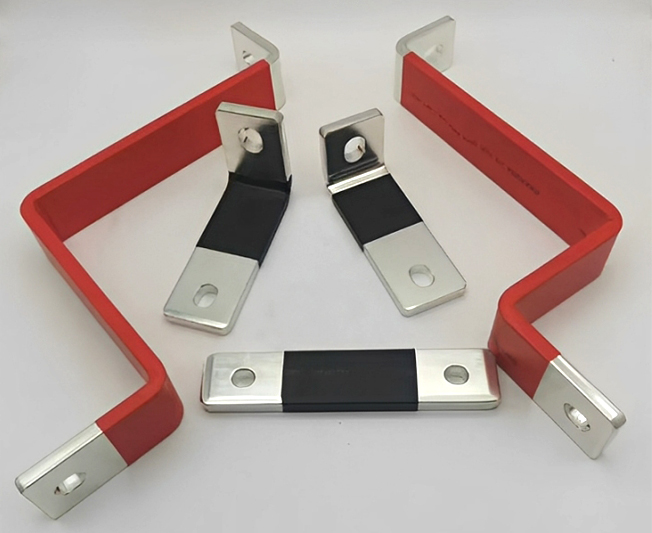
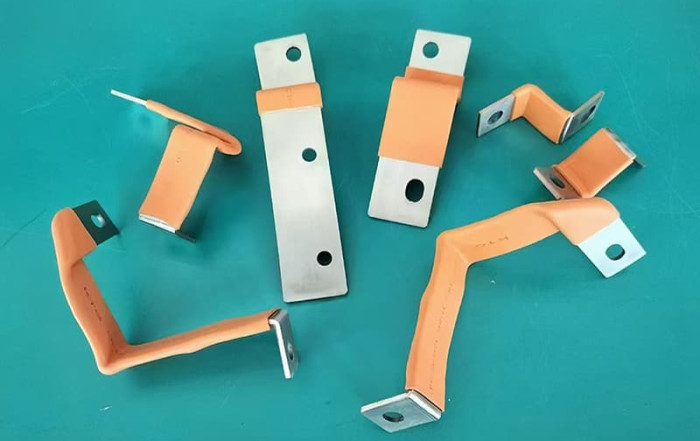
In dit artikel wordt de noodzaak van oppervlaktebehandeling van koperen busbar bushing door experimentele data te vergelijken met industriële cases. Bevat 10 kernargumenten, die oxidatie-impact, selectie van behandelingsprocessen, kosten-batenanalyse en andere belangrijke dimensies omvatten, en biedt een besluitvormingsreferentieformulier met gezaghebbende externe links om bedrijven te helpen de selectiestrategie voor koperrijen te optimaliseren.
1. 5 kritische omstandigheden waaraan oppervlaktebehandeling moet voldoen
| Milieu-indicatoren |
Kritische waarden |
Behandelingsvereisten |
Testnormen |
| Relatieve vochtigheid |
>85% rechts |
Verplichte plating |
EN 60068-2-78 |
| Zoutnevelconcentratie |
>5 mg/m³ |
Drielaagse composietcoatings |
ASTM B117 |
| Bedrijfstemperatuur |
>105°C |
Zilver/nikkel geplateerde afwerking |
UL-486A |
| Trillingssterkte |
>3,5 gram |
Mechanische versterkingsafwerking |
MIL-STD-810G |
| Vervuilingsclassificatie |
PD3 of hoger |
Volledig geïsoleerde pakketten |
EN 60664-1 |
2. Kosten-batenanalyse van het oppervlaktebehandelingsproces
a. Vertinproces
Kosten: Verhoging 15-20 RMB/meter (2023 Shanghai marktnotering)
Voordeel: 40% vermindering van de contactweerstand (MIT Materials Lab-gegevens)
Case: Schneider NSX-serie stroomonderbreker met 0,8 tinplatinglaag, temperatuurstijging verminderd met 12K
b. Verzilveringsproces
Verbetering van de geleidbaarheid: Oppervlakteweerstand 1,59 μΩ-cm, 8% lager dan blank koper (raadpleeg het tijdschrift Plating & Finishing)
Economie: Schommelende zilverprijs leidt tot kostenstijging van 300-500 RMB/kg (realtime gegevens van London Silver Exchange)
3. Innovatieve doorbraken in isolatiebehandeling
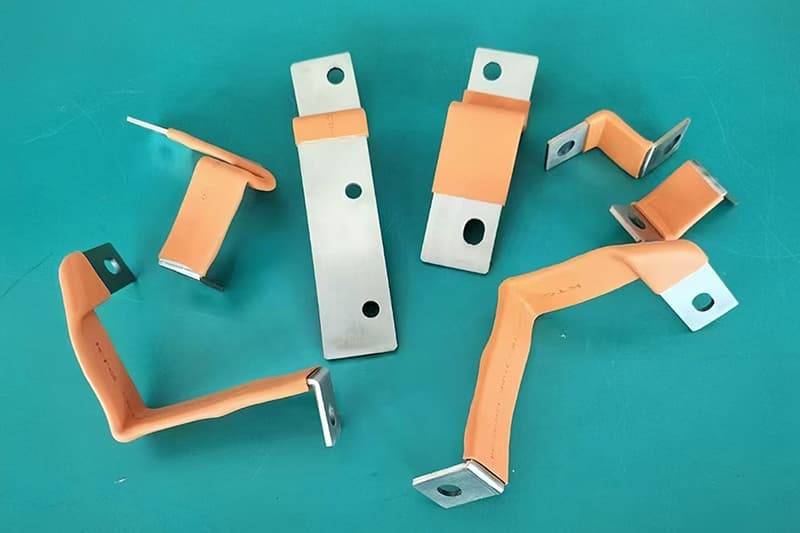
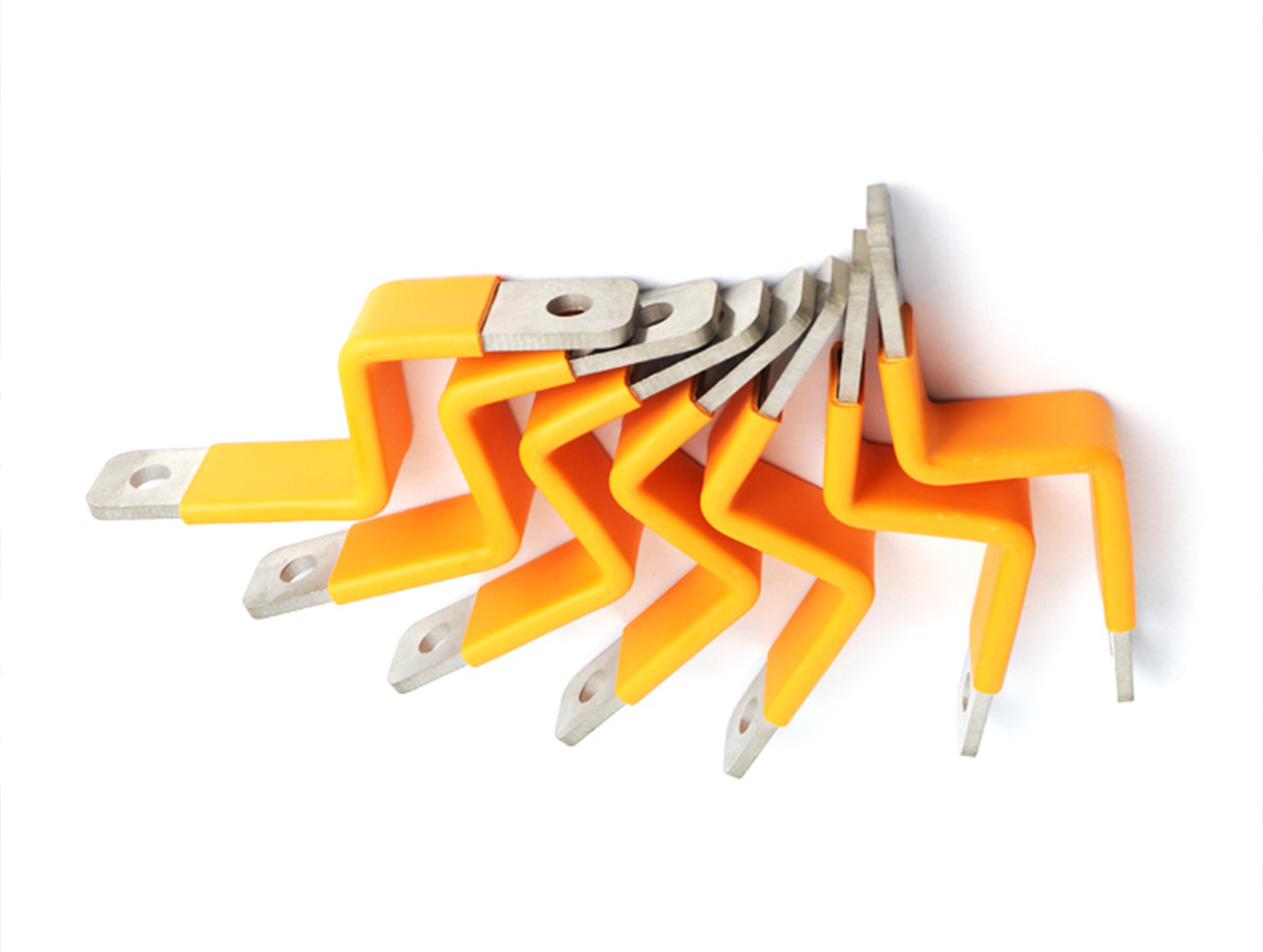
Prestatievergelijking tussen het spuiten van epoxyhars en krimpkousen:
| Parameters |
Epoxyhars |
Krimpkous |
| Breuksterkte |
35kV/mm |
28kV/mm |
| Thermische cycluslevensduur |
2000 cycli |
1500 cycli |
| Bouwefficiëntie |
3m/min |
8m/min |
| Milieuklasse |
RoHS-richtlijn 2.0 |
BEREIK |
4. Energie-efficiëntiebalans van isolatiebehandelingen
Argument 8: Effect van thermische weerstand van krimpkous
Uit het handboek isolatiematerialen van 3M blijkt dat 2 mm dikke krimpkousen de thermische efficiëntie van koperrijen met 28% verminderen, wat gecompenseerd moet worden door de stroomgeleidende correctiefactor K=0,82
5. Waarom kan het op grote schaal worden gebruikt in schakelapparatuur?
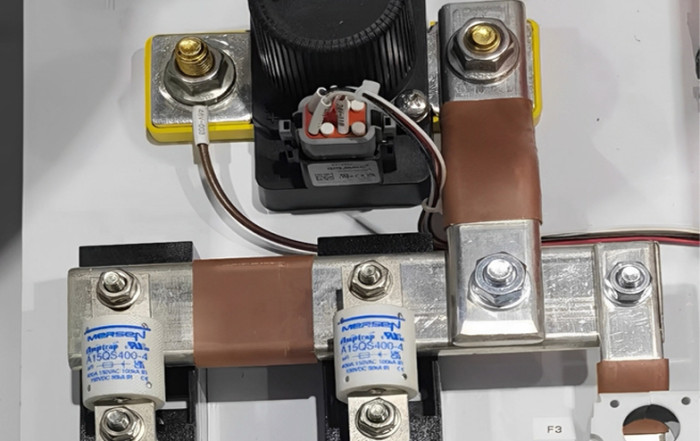
In een droge en schone industriële omgeving behouden kale koperrijen hun prestaties door de volgende technische maatregelen:
Precisie-assemblageproces: Direct contact van metalen oppervlakken wordt gerealiseerd door het gebruik van DIN 43671 standaard bouten (koppelwaarde geregeld op 8-12 Nm), en de contactweerstand kan zo laag zijn als 15 μΩ
Beschermingsmechanisme van de oxidelaag: De initiële dikte van de oxidefilm bedraagt ongeveer 0,5-3 μm en de thermische geleidbaarheid bedraagt 400 W/(mK) bij 80℃, wat 14 keer hoger is dan die van zuiver koper.
6. Suggesties van autoriteiten
- IEEE-standaardaanbeveling: koperen plaatdikte versus stroomdoorvoercapaciteit van een koperen strip
- ASTM-corrosietestmethoden: B827-zoutneveltestspecificatie
- EU RoHS-richtlijn: lijst met beperkingen van gevaarlijke stoffen
7. Typische casestudy
Een offshore platformproject:
Uitdaging: Zoutnevelconcentratie 22 mg/m³, vochtigheid 98%RH
Oplossing: Nikkelplating (25μm) + siliconenafdichting
Resultaat: Onderhoudscyclus van 5 jaar verlengd tot 8 jaar, uitvalpercentage verlaagd door 73%
Samenvatting
Surface treatment of copper busbars needs to balance technical specifications with economics. Key decision points include:
- Beoordeling van de corrosieclassificatie voor het milieu
- Kosten voor de hele levensduur
- Vereisten voor eenvoudig onderhoud
- Vereisten voor temperatuurstijgingsregeling
- Milieunaleving
- Vertaald met DeepL.com (gratis versie)


 Dutch
Dutch  English
  Arabic
  German
  Spanish
  French
  Russian
  Danish
  Japanese
  Italian
  Vietnamese
  Turkish
  Portuguese
  Thai
Thai  Swedish
  Korean
  Greek
Greek  Polish
  Estonian
  Esperanto
  Hindi
Hindi  Indonesian
  Latvian