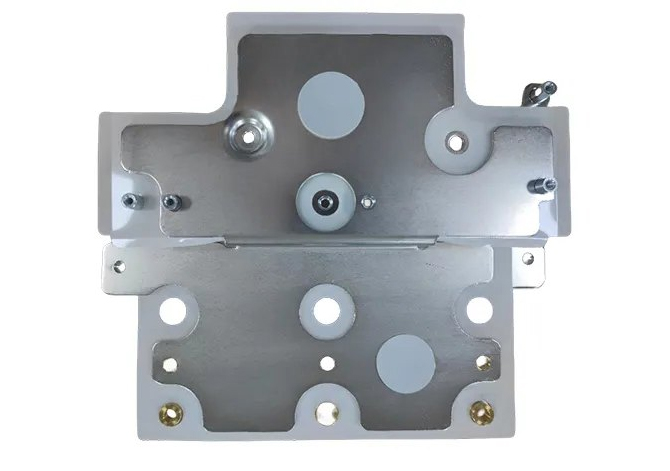
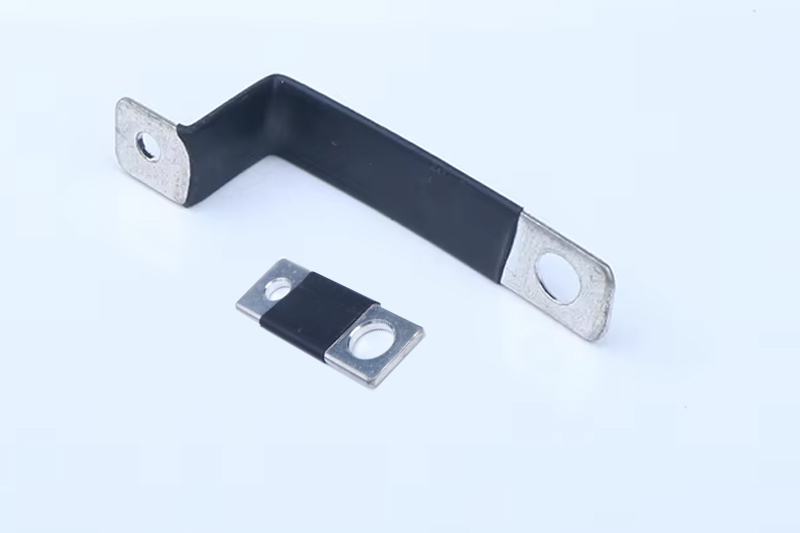
With the rapid development of the new energy industry, the high-current scenario requires increasingly stringent performance of conductive components. With its excellent conductivity, corrosion resistance, and solderability, Szyna zbiorcza z miedzi cynowanej has become the core component of new energy vehicles, photovoltaic power generation, and other fields. This article starts from the scientific principles of tin-plating process, combined with 7 technical dimensions, in-depth analysis of the selection criteria and application strategy of the tinned copper busbar, and authoritative data comparison to provide enterprises with landing solutions.
- Poprawa przewodności i optymalizacja stabilności
- The conductivity of copper itself is as high as 58 S/m, but the conductivity of copper oxide on the surface decreases significantly. After tin plating, tin oxide (SnO₂) has better conductivity than copper oxide (CuO), which can reduce the contact resistance by up to 30%. Experimental data show that the temperature rise of tin-plated copper busbars is 15-20% lower than that of bare copper busbars(under the same current), which significantly reduces power loss.
- Ulepszanie odporności na korozję skokowo
In the salt spray test, the thickness of the tin-plated layer ≥ 25 25μm copper busbar can withstand 1000 hours without corrosion, far more than the limit of 72 hours of bare copper. For example, in coastal photovoltaic power plants, the service life of tinned copper busbars can be extended to more than 15 years, reducing maintenance costs by 40%.
- Ulepszenie procesu lutowania
Gdy chropowatość powierzchni (wartość Ra) matowej powłoki cynowej jest kontrolowana na poziomie 0,8-1,6 μm, siła wiązania lutu wzrasta o ponad 50%, a niezawodne połączenie można uzyskać bez topnika. Tesla Supercharger wykorzystuje ten proces, aby zwiększyć wydajność spawania 3-krotnie.
2. Proces cynowania
| Typ procesu |
Grubość powłoki (μm) |
Przewodność (%IACS) |
Scenariusze |
Wskaźnik kosztów (surowa miedź = 1) |
| Jasna puszka |
8-12 |
85-90 |
Tablice rozdzielcze, części zewnętrzne |
1.8 |
| Matowa cyna (lutowalna) |
12-15 |
80-85 |
Elementy złączne, lutowanie PCB |
2.2 |
| Cyna zanurzeniowa |
25-40 |
75-80 |
Sprzęt, Środowiska chemiczne |
3.5 |
- Bright Tin: równowaga między estetyką a funkcjonalnością
Nadaje się do szaf rozdzielczych zasilania w centrach danych i innych zastosowań, w których wymagany jest wysoki poziom estetyki, z połyskiem lustrzanym (mierzonym pod kątem 60°) wynoszącym 90GU lub więcej, należy jednak unikać zastosowań lutowniczych.
- Blacha matowa: najlepsze rozwiązanie dla połączeń przemysłowych
Odporność na wysoką temperaturę można zwiększyć do 200°C, nakładając warstwę bazową niklu (grubość 2-5 μm), która jest stosowana w modułach baterii Ningde Times, co zmniejsza wskaźnik wadliwego lutowania do 0,02%.
- Cynowanie ogniowe: bariera ochronna dla ekstremalnych warunków
In offshore wind power projects, 40μm hot-dip tinned copper busbars are 10 times more resistant to sulfide corrosion than bare copper, which is especially suitable for industrial environments containing H₂S.
3. Grubość powłoki materiałowej
- Wybór grubości
- Suche środowisko wewnętrzne: 12,5 μm (spełnia normę GB/T 2423.17 dotyczącą testu w mgle solnej, poziom 4)
- Środowisko wilgotne/przemysłowe: 25μm (zaliczony test odporności na trudne warunki IEC 60068-2-11)
- Środowisko chemiczne/morskie: ≥30μm (patrz norma NACE TM0172)
- Niezastąpiona czysta miedź C110
C110 copper busbars with copper content ≥99.9%, conductivity up to 101% IACS, and bending formability 3 times higher than brass are the best substrates for the tin-plating process. An ultra-high voltage substation project was measured to show that the C110 copper busbar of the current-carrying capacity of 22% higher than the alloy copper.
4. Kontrola jakości
- Badanie jednorodności powłoki
Do mapowania grubości stosuje się spektrometr fluorescencji rentgenowskiej (XRF), który wymaga odchylenia ≤±10% (patrz norma ASTM B568).
- Test wiązania
Przeszedł pomyślnie test zginania (zginanie o 180° bez łuszczenia) i test szoku termicznego (cykl -40°C~150°C 5 razy) zgodnie z normą ISO 2819.
- Modernizacja procesu ochrony środowiska
Wiodące firmy wdrożyły procesy cynowania bez użycia cyjanku (np. systemy cytrynianowe), które zmniejszają toksyczność ścieków o 90% i są zgodne z normami RoHS 3.0.
5. Zastosowanie w przemyśle
- System wysokiego napięcia dla pojazdów zasilanych nowymi źródłami energii
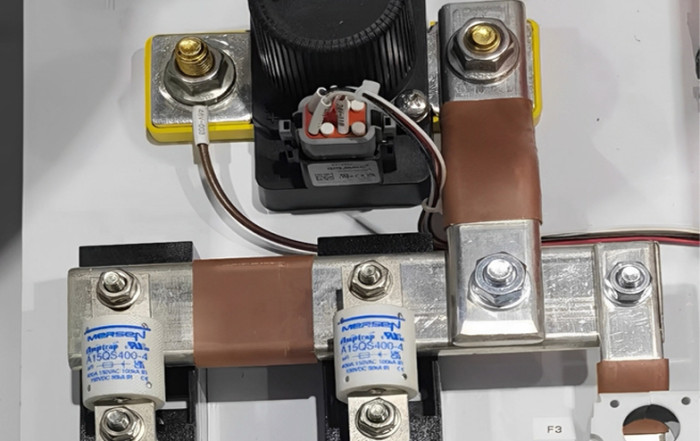
The BYD blade battery module adopts matte tin copper busbars, with contact resistance stabilized at below 0.15 mΩ, supporting 600 A continuous current.
- Optymalizacja topologii falownika fotowoltaicznego
Sunny Power’s latest string inverter uses tinned copper busbars to increase the power density to 1.5W/cm³, and the efficiency breaks through 99%.
Streszczać
Przełom technologiczny szyna zbiorcza z miedzi cynowanej busbars is reshaping the competitive landscape of the new energy industry. From the quantum-level optimization of electrical conductivity to the reliability of extreme environments, the scientific selection of plating processes and thicknesses has become the core strategy of cost reduction and efficiency. With the strategic deployment of high-end materials, the tinned copper busbar will accelerate to aerospace, smart grid and other cutting-edge areas of penetration, opening a new era of conductive components.


 Polish
  English
  Arabic
  German
  Spanish
  French
  Russian
  Danish
  Japanese
  Italian
  Vietnamese
  Turkish
  Dutch
Dutch  Portuguese
  Thai
Thai  Swedish
  Korean
  Greek
Greek  Estonian
  Esperanto
  Hindi
Hindi  Indonesian
  Latvian