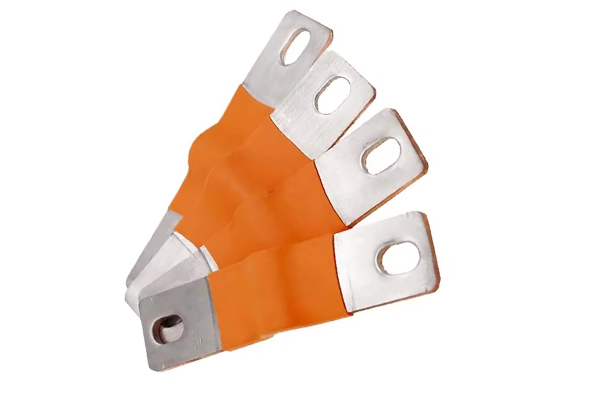
Elastyczna izolowana szyna zbiorcza do podłączania akumulatorów
√ Łatwo się wygina i kształtuje, dopasowując się do ograniczonych przestrzeni i skomplikowanych układów.
√ Zmniejsza ryzyko zwarć i usterek elektrycznych.
√ Solidna konstrukcja wytrzymuje naprężenia mechaniczne
√ Obsługuje znaczne obciążenia prądowe, idealne do systemów akumulatorowych.
Our flexible insulated bus bars are specifically designed for battery connections, offering exceptional electrical performance and safety. Flexible insulated busbar is a kind of power supply and distribution equipment made of flexible conductor compounded with multi-layer insulating material, which combines the current-carrying capacity of traditional busbar and the flexibility of cable. Its core feature lies in the special process to realize large current transmission while adapting to the complex installation environment, such as narrow space, humid environment and so on.
| Typ produktu | Elastyczna izolowana szyna zbiorcza |
|---|---|
| Gatunek miedzi: | Miedź, Nikiel Miedź |
| PVC (polichlorek winylu): | Elastyczne, ekonomiczne i łatwe w zastosowaniu. |
| Epoksyd: | Tworzy twardą, trwałą powłokę o doskonałych właściwościach izolacyjnych. |
| Silikon: | Zapewnia odporność na wysoką temperaturę i elastyczność. |
| Rurki termokurczliwe: | Pod wpływem ciepła ściśle się kurczy wokół szyny zbiorczej, zapewniając dokładne dopasowanie. |
| Malowanie proszkowe: | Nakładany w postaci proszku, a następnie utwardzany w celu utworzenia stałej warstwy ochronnej. |
| Temperatura pracy: | -36°C ~ 65°C |
| Guma: | Zapewnia dobrą izolację elektryczną i ochronę mechaniczną. |
| Aplikacja: | połączenia akumulatorów, dystrybucja energii, inwertery słoneczne i systemy turbin wiatrowych itp. |
| Load Capacity: | 125A-6000A (up to 12000A |
| Napięcie znamionowe: | 600V-1000V (AC)/750V-1500V (DC |
| Bend radius: | Minimum 6 times the diameter of the busbar, adapted to the complex wiring |
| Insulation Resistance: | ≥15000MΩ (3.5kV withstand voltage test without breakdown) |
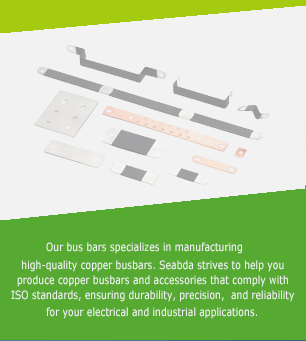
Wiodący producent elastycznych izolowanych szyn zbiorczych
As a manufacturer of flexible insulated busbars, we specialized in innovative solutions for battery connections and power distribution systems. Our busbars are designed to offer superior electrical performance, high flexibility, and robust insulation to ensure safety and reliability in various applications.
Product structure of flexible insulated busbars
- Conductor layer: composed of flexible copper wire rows or tinned copper tape, providing high conductivity and flexibility.
- Wrapping layer: Polyester film or PTFE tape is used to wrap the conductor, enhancing insulation and anti-electromagnetic interference.
- Insulation Layer: The main insulating materials include polyvinyl chloride (PVC), cross-linked polyethylene (XLPE) or silicone rubber, with a thickness of 1.8-2.1mm, providing electrical isolation.
- Armor Layer: Interlocking metal armor (e.g., stainless steel tape) provides mechanical protection against external damage.
- Sheath layer: The outer layer is made of flame retardant and corrosion resistant material (such as halogen free PVC), with protection level up to IP68.
Production process of flexible insulated busbars
1. Conductor processing
- Copper/aluminum is drawn into fine wires by wire drawing machine and annealed to enhance flexibility.
- The stranding process weaves multiple strands of conductors into flexible copper wire rows to enhance current-carrying capacity.
2. Insulation treatment
- Wrapping layer: polyester film or mica tape is wrapped by automatic wrapping machine to reduce partial discharge.
- Extrusion molding: PVC or XLPE evenly cover the conductor through high temperature extruder, thickness error ≤ 0.1mm.
3. Armor and sheath
- The metal armor layer wraps the insulating layer through interlocking technology to enhance the compressive strength (can withstand 50kA short-circuit current).
- The outer sheath adopts co-extrusion technology to ensure weather resistance and flame retardancy.
4. Testing and Packaging
- Voltage withstand test: 3.5kV frequency withstand voltage for 1 minute without breakdown.
- Intelligent detection: integrated current/temperature sensor, support real-time online monitoring.
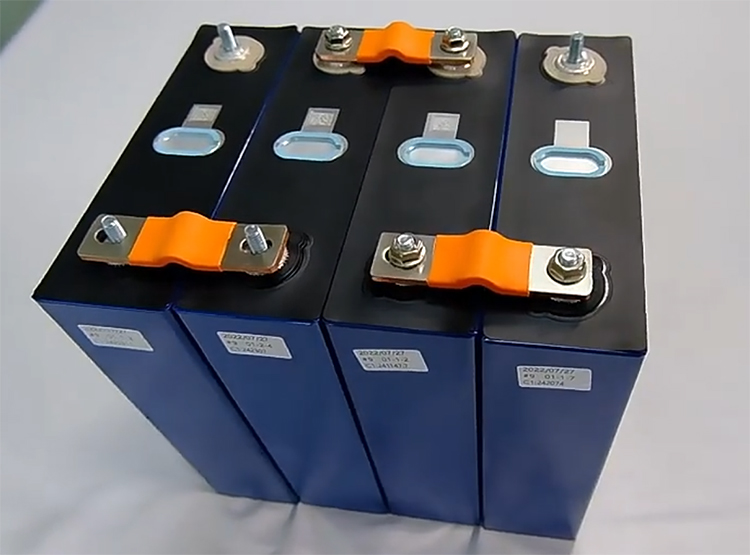
Czym jest izolowana szyna zbiorcza?
Insulated busbar is a power transmission and distribution equipment that realizes electrical isolation by wrapping insulating material outside the conductor, which is different from the bare rigid busbar. Its classification includes:
- Flexible insulated busbar: adopting multi-layer flexible conductor and insulation structure, suitable for dynamic or complex environment.
- Tubular insulated busbar: copper tube as conductor, covered with PTFE insulation, used in high-voltage scenarios (e.g. substations).
- Enclosed busway: metal shell embedded insulated busbar, mostly used in building power distribution.
Główne cechy i korzyści
- Energy efficient: Large surface area of the conductor, low skin effect, reducing line loss by more than 30%.
- Safe and reliable: 3.5kV voltage without breakdown, insulation resistance ≥ 15000MΩ, support for outdoor wet environment.
- Convenient installation: Flexible structure without customized elbow, installation efficiency increased by 60%.
- Cost optimization: No intermediate joints, construction costs reduced by 50%, maintenance-free for life.
Jak zaizolować szynę zbiorczą?
Izolowanie szyny zbiorczej polega na nałożeniu warstwy ochronnej wokół materiału przewodzącego, aby zapobiec zwarciom elektrycznym, chronić przed czynnikami środowiskowymi i zapewnić bezpieczne użytkowanie. Oto typowe metody izolowania szyny zbiorczej:
1. Material selection
- High temperature scenario: PTFE (temperature resistance 340℃) or silicone rubber (temperature resistance 200℃).
- Environmental scenario: halogen-free flame retardant materials (oxygen index ≥ 30%).
2. Technology
- Multi-layer winding: alternately winding semi-conductive tape and insulating tape to eliminate electric field concentration.
- Vacuum impregnation: filling epoxy resin for tubular busbars to enhance insulation strength.
- Co-extrusion molding: synchronous extrusion of conductor shielding layer and main insulation layer to reduce interface defects.
3. Liquid Insulation
Płynne związki izolacyjne można nakładać na szyny zbiorcze w celu uzyskania bezszwowej i elastycznej warstwy izolacyjnej.
Kroki:
- Wyczyść szynę zbiorczą: Upewnij się, że powierzchnia szyny zbiorczej jest czysta.
- Nakładanie izolacji w płynie: Nanieść pędzlem, natryskiem lub zanurzyć szynę zbiorczą w substancji izolacyjnej w płynie.
- Suszenie i utwardzanie: Pozostawić masę do wyschnięcia i utwardzenia zgodnie z instrukcją producenta.

 Polish
  English
  Arabic
  German
  Spanish
  French
  Russian
  Danish
  Japanese
  Italian
  Vietnamese
  Turkish
  Dutch
Dutch  Portuguese
  Thai
Thai  Swedish
  Korean
  Greek
Greek  Estonian
  Esperanto
  Hindi
Hindi  Indonesian
  Latvian