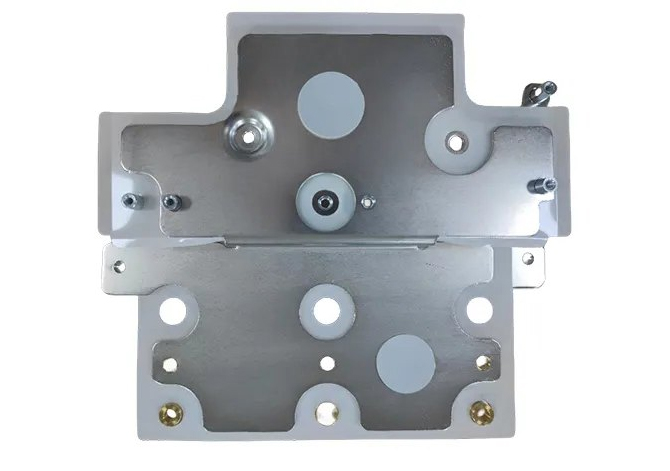

As a core component of power transmission systems, медные шины are an important choice for industry due to their high electrical conductivity, corrosion resistance and mechanical strength. However, the durability of its performance is directly dependent on its maintenance and management. This paper is based on industry standards and practical experience, from the installation specifications to troubleshooting, to provide a complete set of copper busbar maintenance system .
1. Installation rules of copper busbars
Environmental requirements
- Temperature and humidity control: the installation area needs to maintain relative humidity ≤ 85%, temperature range -25 ℃ ~ +40 ℃, to avoid condensation (recommended with temperature and humidity monitoring device)
- Anti-corrosion layout: maintain a distance of ≥5 meters from the source of acid and alkali gases, and it is recommended to use tinned copper busbar or increase the anti-corrosion coating in the coastal areas.
- Principle of space reservation: Reserve 1.5mm expansion gap per meter according to the length of busbar, and ≤2.5m spacing of bracket for vertical installation.
Handling and storage specifications
- Anti-deformation treatment: busbars with a length of >6 meters need to be lifted with special spreaders at multiple points, and soft partitions should be placed between the layers when storing.
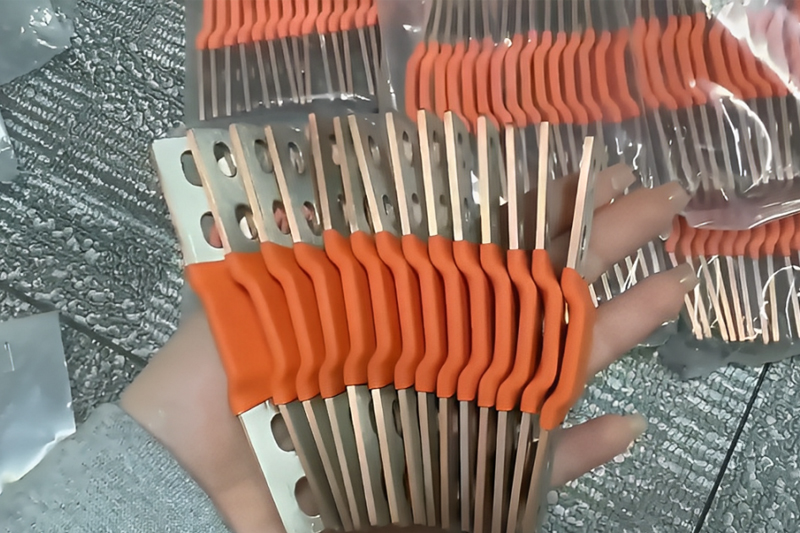
- Antioxidant management: the ends of busbars not installed after opening should be coated with conductive paste and sealed with heat-shrinkable tubes.
Technical of connection and fixing
| Operation items | Параметры | Testing tools |
|---|---|---|
| Bolt torque | M12 bolts: 45-55N-m | digital display torque wrench |
| Contact resistance | ≤ 1.1 times the resistance of conductor of the same | cross-section Microohmmeter |
| Insulation distance | ≥30mm between each other, ≥20mm to the ground | Laser distance meter |
2. Dimensions of routine maintenance
A. Cleaning and maintenance system
- Surface dusting: monthly use of compressed air (pressure ≤ 0.3MPa) with anti-static brush cleaning, dusty environment encrypted to weekly
- Deep cleaning: quarterly wipe the insulation layer with anhydrous ethanol, prohibit the use of silicone-based cleaners to prevent flashover.
B. Temperature rise monitoring program
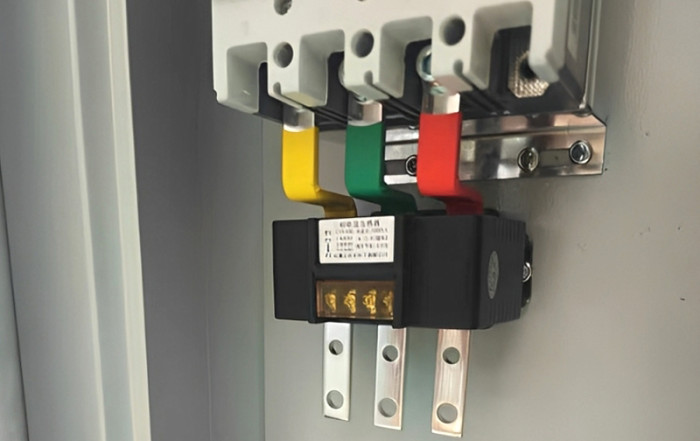
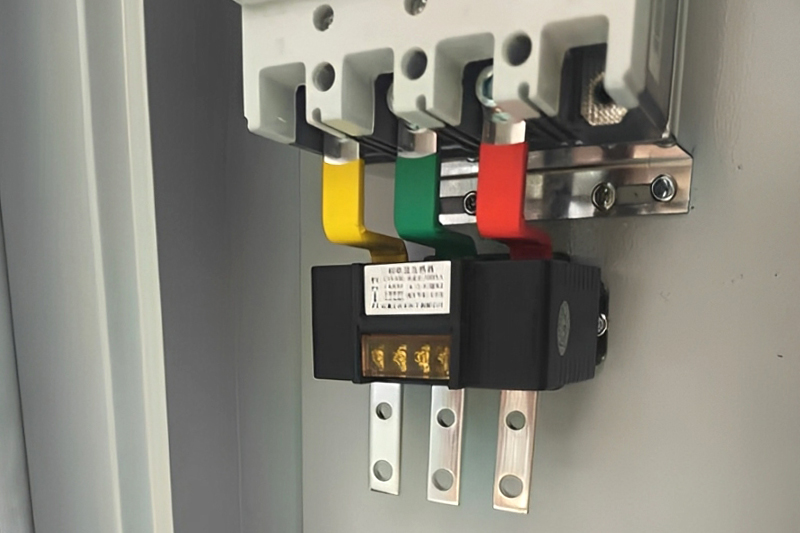
- Key Temperature Measurement Points: Infrared temperature measurement labels are installed at joints, corners, and through walls, and wireless temperature sensors are recommended.
- Early warning threshold: ambient temperature +55℃ (Class B insulation) or +70℃ (Class F insulation) triggers a secondary alarm.
C. Mechanical condition management
- Bolt tightening cycle: 4.8 grade bolts are re-tightened every 6 months, 8.8 grade high-strength bolts are inspected annually (using the torque marking method).
- Deformation detection: laser straightener is used to detect the curvature, and the allowable deviation is ≤ 0.2% of the length of the busbar.
3. Standardized process of regular maintenance
a. Annual preventive test
- Insulation test: 2500V megohmmeter measurement, ≥50MΩ between phases, ≥20MΩ to ground
- Loop resistance: DC voltage drop method test, deviation value ≤ 20% of factory value
- Local discharge detection: ultrasonic + UHF joint detection, local discharge <20pC
b. Three-year in-depth maintenance
- Metallographic analysis: intercept 5cm sample testing grain size, requirements ≥ 0.015mm
- Stress test: mechanical strength retention rate ≥95% after simulated short-circuit current (3s rated current)
4. Fault diagnosis and emergency treatment
Case library: high-frequency failure solutions
4.1 Abnormal temperature rise
- Phenomenon: Sudden temperature rise of 15℃ at the joint
- Processing procedure: infrared imaging localization → power outage grinding contact surface → applying DJG-II type conductive paste → torque calibration
4.2 Insulation deterioration
- Characteristics: annual decrease rate of insulation resistance>30
- Repair program: local spraying of PRTV paint or replacement of insulation sleeve (with the voltage withstand test)
4.3 Ground fault
- Troubleshooting steps: Segmental insulation test → local discharge positioning → humidity test → support parts inspection (prioritize the use of oscillating wave detector)
6. Safety operation
- Disconnection procedure: disconnect the load side first → check the power → hang the grounding wire → set up physical isolation barriers
- Protective equipment: must be equipped with 10kV insulated gloves, anti-arc masks, flame-retardant overalls.
- Emergency response: develop 6 types of special plans such as busbar short circuit, insulation breakdown, etc., and practice every half a year.
Case study: A data center busbar reconstruction project
Background: Localized overheating after 7 years of operation
Solution:
- Thermal imaging scanning to locate 12 hidden trouble spots
- Replacement of 8 sets of highly flexible connectors
- Installation of intelligent monitoring terminals
- Result: Downtime reduced by 83% and life expectancy extended to 20 years.
Заключение
Scientific maintenance management can extend the life of copper busbar system by 3-5 times and reduce the failure rate by more than 90%. It is recommended that enterprises establish a closed-loop management system of “inspection-analysis-optimization” and combine it with the latest IoT technology to realize intelligent operation and maintenance. For a customized maintenance plan or a list of inspection equipment, please contact our professional technical team.
Категории продуктов
Связанный пост
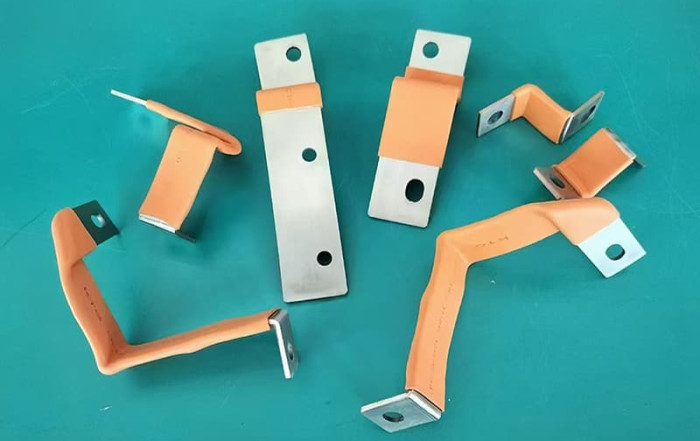
Why can’t a copper busbar and an aluminum busbar be directly connected?
[email protected]2025-12-08T02:54:03+00:00Декабрь 8th, 2025|0 Comments
Introduction Copper busbars and aluminum busbars are the two most commonly used conductive materials in the field of power systems and industrial distribution. Due to differences in cost, resource availability, and technical requirements, they often

Как рассчитать размер медной шины?
[email protected]2025-06-06T06:54:57+00:00Июнь 6th, 2025|0 Comments
1. Введение в определение размеров шин. Точный расчет размеров медных шин критически важен для безопасной, надежной и эффективной циркуляции электроэнергии. Шины рассеивают высокие токи в распределительных устройствах и щитах. Неправильный расчет размеров приводит к сильному нагреву, потерям мощности и перепадам напряжения.
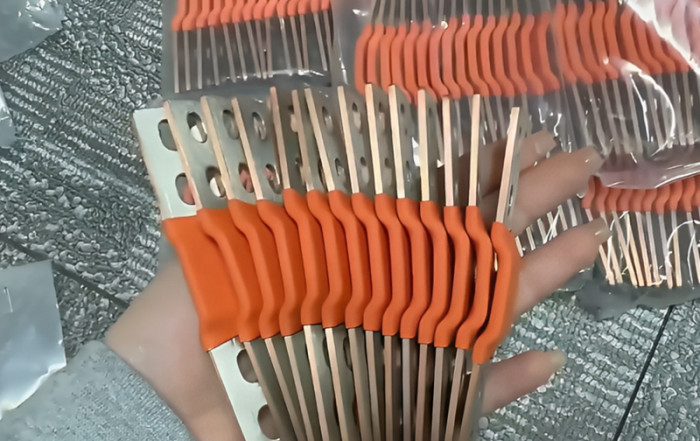
10 основных советов по работе с медными шинами
[email protected]2025-06-03T06:35:28+00:00Июнь 3rd, 2025|0 Comments
В современных энергосистемах медные шины стали ключевым элементом систем передачи и распределения электроэнергии благодаря своей превосходной электропроводности, стойкости к ржавчине и механической прочности. Являясь специализированным производителем медных шин,
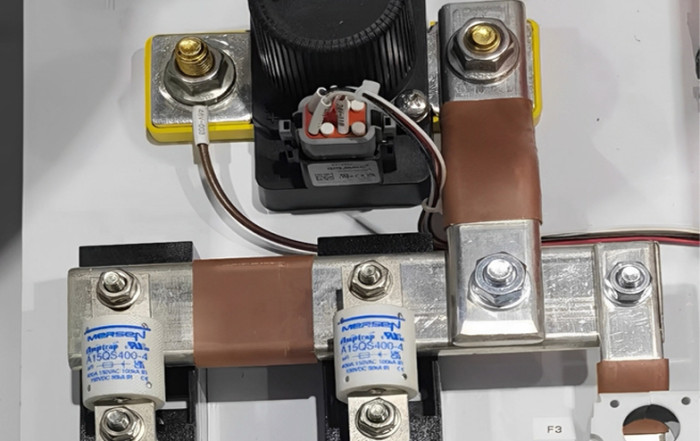
Руководство по эффективному обслуживанию медных шин
[email protected]2025-05-28T06:09:36+00:0028 мая 2025 г.|0 Comments
Медные шины, являясь основным компонентом систем электропередачи, являются важным выбором для промышленности благодаря своей высокой электропроводности, коррозионной стойкости и механической прочности. Однако их долговечность ограничена.
Как установить медные шины для электрических систем
[email protected]2025-05-27T07:25:44+00:0027 мая 2025 г.|0 Comments
Как производитель медных шин, мы прекрасно понимаем их ключевую роль в электрических системах. Благодаря превосходной электропроводности, механической прочности и коррозионной стойкости медные шины стали ключевым компонентом в
Все, что вам нужно знать о медных шинах
[email protected]2025-05-19T02:55:47+00:0015 мая 2025 г.|0 Comments
Nam lacinia arcu tortor, nec luctus nibh dignissim eu nulla sit amet maximus.
Свяжитесь с нами
Мы поставляем любые индивидуальные шины
Похожие посты
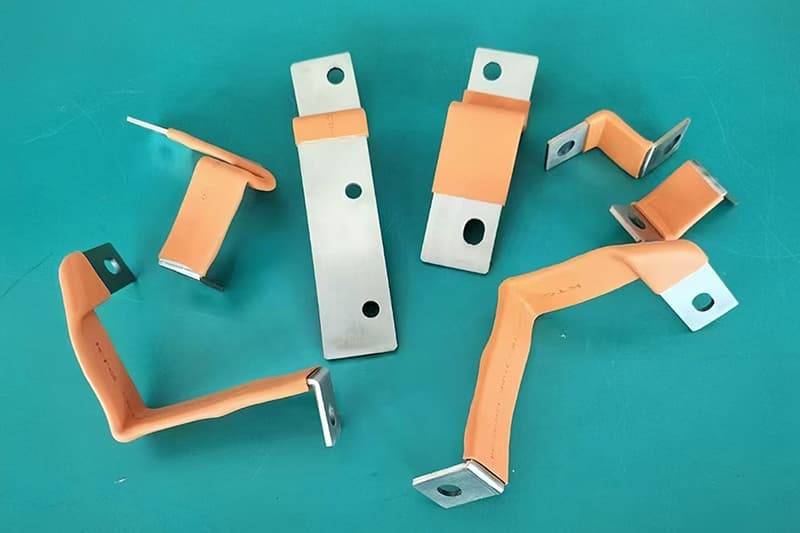
Introduction Copper busbars and aluminum busbars are the two most commonly used conductive materials in the field of power systems and industrial distribution. Due to differences in cost, resource availability, and technical requirements, they often need to be connected and used in practical applications. However, directly connecting copper aluminum busbars can pose serious safety hazards.

 Russian
  English
  Arabic
  German
  Spanish
  French
  Danish
  Japanese
  Italian
  Vietnamese
  Turkish
  Dutch
Dutch  Portuguese
  Thai
Thai  Swedish
  Korean
  Greek
Greek  Polish
  Estonian
  Esperanto
  Hindi
Hindi  Indonesian
  Latvian