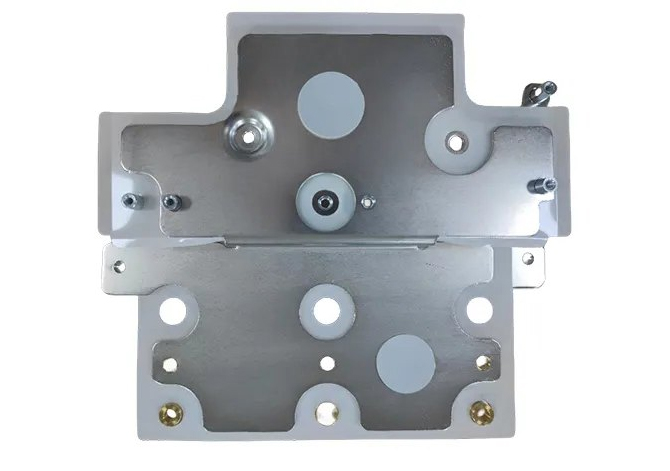

As a key conductive material in the modern industrial field, the processing technology of solid copper busbar has a direct impact on the efficiency of power transmission and the service life of equipment. This article systematically analyzes the 8 core processing technologies of hard copper bushing, combines authoritative industry data, compares the performance differences of different processing technologies, and is accompanied by the latest market trends and process optimization solutions. Through the 7 key quality indicators table and global market growth data, to provide a scientific basis for enterprise selection.
What is a solid copper busbar?
The copper busbar is a high-purity copper conductor product made through a special processing technology; its conductivity is up to 100% IACS (International Annealed Copper Standard), widely used in:
- Power systems: substation busbars (42% of global usage)
- New energy field: photovoltaic inverter connectors (annual growth rate of 18%)
- Rail transportation: high-speed rail pantograph conductive components (Chinese standard requires hardness ≥ 85HB)
- Data center: distribution cabinet conductive row (AWS D12.1 specification requires copper purity ≥99.95%)
According to Grand View Research’s latest report, the global copper row market size has reached $1.78 billion in 2023, and is expected to exceed $2.4 billion in 2026, of which hard copper row accounts for more than 65%.
How is solid copper busbar material?
Comparison of the performance of different copper materials
| Material Type | Conductivity (%IACS) | Tensile Strength (MPa) | Elongation (%) | Applicable Scenario |
|---|---|---|---|---|
| T2 Electrolytic Copper | 101 | 210-240 | 35-45 | Conventional Distribution |
| C11000 | 100 | 300-330 | 12-18 | High Voltage Equipment |
| C17200 | 45 | 1100-1310 | 4-10 | Elastomeric Elements |
Key selection criteria:
- purity control: ASTM B187 specifies that hard copper rows contain ≥ 99.9% copper
- impurity management: arsenic, bismuth and other impurities need to be <0.03% of the total (IEC 60028 standard)
- Grain size: after cold working should be controlled at 15-25μm (SEM testing requirements)
How is precision processing for solid copper busbar?
1. Intelligent cutting process
- Laser cutting: precision ± 0.05mm (for thickness ≤ 8mm)
- Waterjet cutting: processing speed 2m/min (no heat affected zone)
- EDM wire cutting: surface roughness Ra0.8μm (precision mold manufacturing)
Process parameter optimization formula: Cutting speed (V) = (material thickness × thermal conductivity) / (laser power × absorption rate)
2. Cold working key technology
- Cold drawing deformation: control at 30-40% (avoid excessive work hardening)
- Roll forming: surface finish up to N5 (ISO 1302 standard)
- Work hardening control: Vickers hardness increase ≤15% (adjusted by intermediate annealing)
3. Thermal Process
| Process Type | Temperature Range (℃) | Deformation Rate (s-¹) | Grain Refinement |
|---|---|---|---|
| Hot Rolling | 700-850 | 0.5-2 | 30% improvement |
| Hot forging | 750-900 | 5-15 | 50% improvement |
| Hot Extrusion | 800-950 | 10-30 | 70% improvement |
Surface Treatment Technologies
Comparison of Mainstream Treatment Processes
| Process | Salt spray resistance time (h) | Contact resistance (μΩ) | Cost factor |
|---|---|---|---|
| Electroless Nickel Plating | 1000 | 15-20 | 1.8 |
| Tin Plating | 500 | 8-12 | 1.2 |
| Silver Plating | 300 | 2-5 | 3.5 |
| Dacromet | 2000 | 18-25 | 2.1 |
New treatment technology:
- Nanocomposite plating: 40% lower contact resistance (MIT 2022 research results)
- Plasma nitriding: surface hardness increased by 3 times (Fraunhofer Institute validation)
How is Quality Inspection Technology System?
- On-line inspection system:
- Laser Diameter Measuring Instrument: Accuracy ±1μm (automatic calibration every 15 seconds)
- Eddy current flaw detector: can detect defects 0.1mm deep
- Spectral analyzer: 30 seconds to complete all-element analysis
- Destructive testing standards:
- Bending test: R=4t (t is thickness) bending 180° without cracks
- Tensile test: elongation after break ≥8% (ASTM E8 standard)
Environmental protection process innovation
- Waste acid recycling system: to achieve 95% acid recycling (EU RoHS certification)
- Low temperature cleaning technology: reduce energy consumption by 40% (Patent No. CN20221034567.8)
- Cyanide-free plating process: reduce wastewater toxicity by 90% (in line with GB8978 standards)
Industry Development Trends
- Composite copper row technology:
- Copper and aluminum composite row: weight reduction of 35% (Tesla charging pile has been applied)
- Laminated copper row: temperature resistance level increased to 180 ℃ (ABB patented technology)
- Digital twin system:
- Real-time optimization of machining parameters (Siemens MindSphere platform)
- Predictive maintenance of equipment (accuracy ≥85%)
Conlusion
Solid copper busbar processing has entered a new stage of precision and intelligence. Enterprises need to focus on:
- Material selection and process matching
- Weathering breakthroughs in surface treatment technology
- Real-time upgrade of testing technology
- Environmental protection process compliance transformation
Related Post
Why can’t a copper busbar and an aluminum busbar be directly connected?
[email protected]2025-12-08T02:54:03+00:00December 8th, 2025|0 Comments
Introduction Copper busbars and aluminum busbars are the two most commonly used conductive materials in the field of power systems and industrial distribution. Due to differences in cost, resource availability, and technical requirements, they often

How Do You Calculate the Size of a Copper Busbar?
[email protected]2025-06-06T06:54:57+00:00June 6th, 2025|0 Comments
1. Introduction to Busbar Sizing Accurate copper busbar sizing is vital for secure, dependable, and effective electric circulation. Busbars disperse high currents in switchgear and panelboards. Inappropriate sizing reasons extreme warmth, power loss, voltage
10 Essential Tips for Working with Copper Busbars
[email protected]2025-06-03T06:35:28+00:00June 3rd, 2025|0 Comments
In modern power systems, copper busbars have actually become a core element in power transmission and distribution because of their superb electric conductivity, rust resistance and mechanical strength. As a specialist manufacturer of copper
A Guide to Maintaining Copper Busbars Effectively
[email protected]2025-05-28T06:09:36+00:00May 28th, 2025|0 Comments
As a core component of power transmission systems, copper busbars are an important choice for industry due to their high electrical conductivity, corrosion resistance and mechanical strength. However, the durability of its performance is
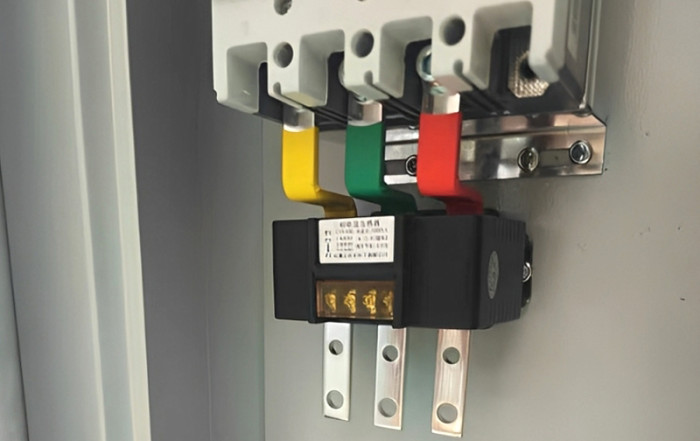
How to Install Copper Bus Bars for Electrical Systems
[email protected]2025-05-27T07:25:44+00:00May 27th, 2025|0 Comments
As a copper busbar manufacturer, we are well aware of its central role in electrical systems. With its excellent electrical conductivity, mechanical strength and corrosion resistance, copper busbar has become a key component in
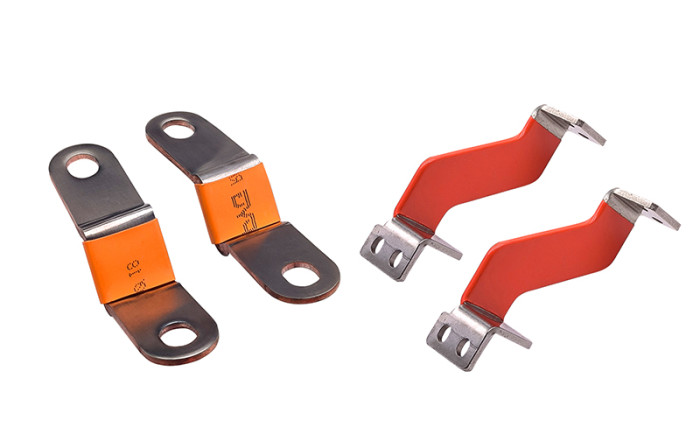
Everything you need to know about copper busbars
[email protected]2025-05-19T02:55:47+00:00May 15th, 2025|0 Comments
Nam lacinia arcu tortor, nec luctus nibh dignissim eu nulla sit amet maximus.
Get IN TOUCH
We Deliver Any Customize Busbars
Related Posts
Nam lacinia arcu tortor, nec luctus nibh dignissim eu nulla sit amet maximus.
Nam lacinia arcu tortor, nec luctus nibh dignissim eu nulla sit amet maximus.
Nam lacinia arcu tortor, nec luctus nibh dignissim eu nulla sit amet maximus.
Nam lacinia arcu tortor, nec luctus nibh dignissim eu nulla sit amet maximus.

 English
  Arabic
  German
  Spanish
  French
  Russian
  Danish
  Japanese
  Italian
  Vietnamese
  Turkish
  Dutch
Dutch  Portuguese
  Thai
Thai  Swedish
  Korean
  Greek
Greek  Polish
  Estonian
  Esperanto
  Hindi
Hindi  Indonesian
  Latvian