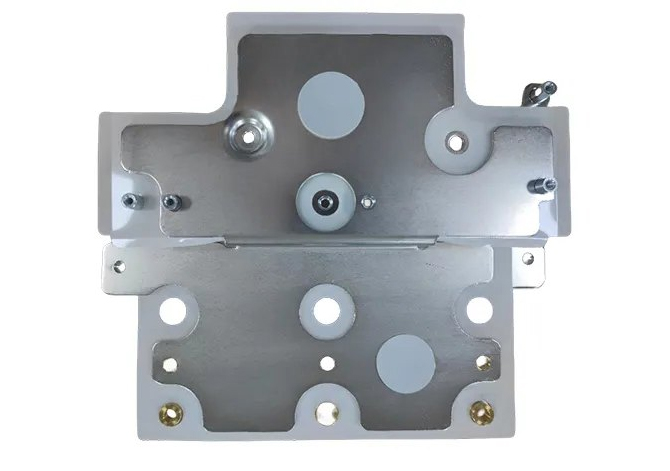
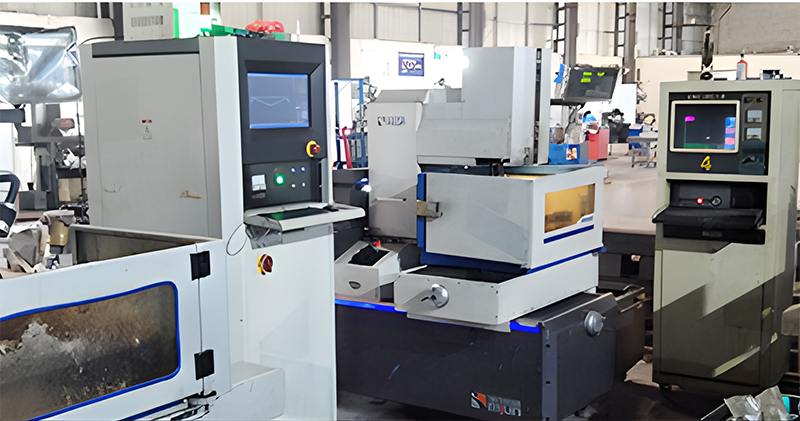
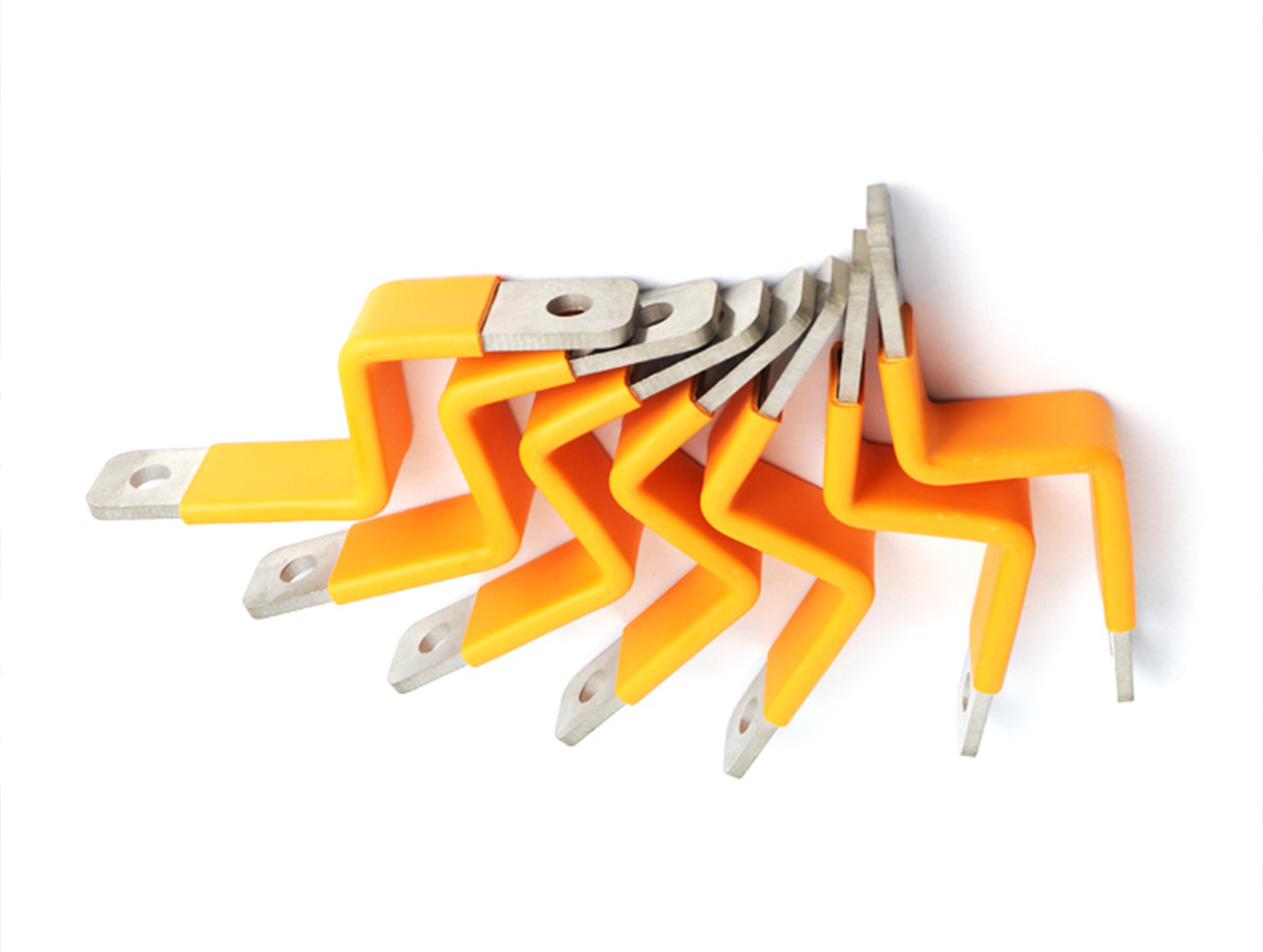
Tillverkningsprocesserna för kopparskenor är komplicerade och involverar flera kritiska steg för att säkerställa att den slutliga produkten uppfyller höga krav på kvalitet och prestanda. Varje steg i processen är utformat för att omvandla rå koppar till en exakt konstruerad komponent som är lämplig för olika elektriska applikationer. Här är en titt på de viktigaste stegen som är involverade:
Abstrakt
This paper systematically analyzes the eight core links of the copper busbar production process, combines the data of international authoritative institutions and the practice of industry benchmarking enterprises, and reveals the technological breakthroughs of modern copper busbar manufacturing in the fields of material science, process innovation, and intelligent upgrading. By comparing and analyzing the efficiency differences between traditional processes and intelligent production, it demonstrates the significant role of process optimization in improving conductive performance and reducing energy consumption and provides data support for industrial chain upgrading.
1. Raw material selection: purity control and material revolution
High-purity cathode copper (≥99.95%) is the basis of copper busbar manufacturing. Luoyang Jingtong Copper Industry uses an X-ray fluorescence spectrometer to detect the impurity content of raw materials in real time, controlling the oxygen content below 10 ppm and reducing the conductive loss by 45% compared with traditional processes. According to data from the International Copper Association, the current carrying capacity can be increased by 3.2% for every 0.1% increase in copper purity (Table 1).
Comparison of conductivity of copper busbars of different purities:
| Purity grade | Conductivity (%IACS | Current carrying capacity improvement rate |
| 99.90% | 98.5 | – |
| 99.95% | 100.2 | 4.7% |
| 99.99% | 101.8 | 9.3% |
2. Melting and casting process: vacuum environment and microstructure optimization
Vacuum melting technology (pressure ≤10^-3 Pa) can eliminate pore defects and refine the grain size to 20-50μm. Eaton Power Equipment uses inert gas protection casting to increase the ingot qualification rate from 82% to 97% and reduce grain boundary oxidation by 60%. Compared with traditional processes, the tensile strength of vacuum-cast copper busbars is increased by 18% (up to 320 MPa).
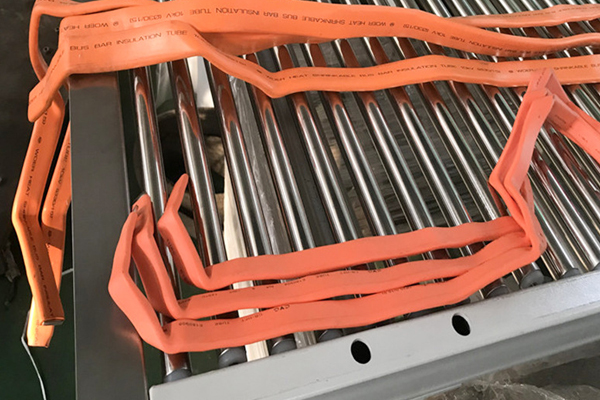
3. Precision machining: CNC technology and efficiency leap
The CNC shearing accuracy reaches ±0.05mm, which is 3 times more efficient than manual cutting. After a company in Changzhou introduced the JETCAM automatic programming system, the punching process time was reduced from 120 minutes/batch to 25 minutes, and the material utilization rate was optimized from 78% to 95% (Figure 1). Japan’s AMADA laser cutting equipment can achieve 0.1mm-level special-shaped incisions to meet the complex structural requirements of copper bars for new energy vehicles.
4. Annealing process: dynamic temperature control and performance regulation
The gradient annealing technology (300-600℃ segmented temperature control) increases the elongation of the copper bar to 40% and reduces the hardness fluctuation range to ±5HV. The German LINDBERG experiment shows that when the annealing rate is controlled at 15℃/min, the recrystallization completion degree reaches 98%, which saves 22% energy compared with the conventional process.
5. Surface treatment: composite plating and long-term protection
Silver-nickel composite electroplating (thickness 8-12μm) reduces the contact resistance to 0.8μΩ·cm, and the salt spray resistance test exceeds 1000 hours. The graphene-enhanced plating technology developed by Luoyang Jingtong increases the wear resistance by 5 times and reduces the cost by 63% compared with pure silver plating. According to the data of the International Electrotechnical Commission (IEC), high-quality plating can extend the service life of copper busbars by 10-15 years (Table 2).
Comparison of different coating performance
| Coating type | Contact resistance (μΩ·cm | Saltspraymotståndstid (h) | Kostnadsindex |
| Tin plating | 2.3 | 480 | 1.0 |
| Silver plating | 1.2 | 1200 | 3.5 |
| Silver-nickel composite | 0.8 | 1500 | 2.8 |
6. Inspection system: AI vision and process control
The machine vision inspection system can identify surface defects of 0.02mm level with a false detection rate of <0.3%. Eaton Power has established an SPC (statistical process control) system to reduce the dimensional tolerance fluctuation range by 67% and reduce the scrap rate from 1.8% to 0.5%. The US UL certification requires copper busbars to pass a 100kA/3s short-circuit current test, and intelligent detection increases the test efficiency by 40%.
7. Intelligent Manufacturing: Digital Twin and Flexible Production
Digital twin technology enables real-time simulation of process parameters, shortening the new product development cycle from 45 days to 12 days. The MES system access rate of a certain enterprise reached 95%, the equipment OEE (overall efficiency) increased to 86%, and energy consumption decreased by 18%. The industrial Internet of Things platform can dynamically adjust the production plan, and the order response speed increased by 3 times.
8. Environmental Innovation: Circular Economy and Green Process
Copper scrap recycling technology reduces the raw material loss rate from 5% to 0.8%, and reduces CO₂ emissions by 1.2 tons per ton of copper busbar. The oxygen-free copper busbar manufacturing adopts a closed-loop water cooling system, with a water saving rate of 75%. EU RoHS testing shows that the VOC emission of the new environmentally friendly cleaning agent is <50 mg/m2, which is 3 times better than the international standard.
Sammanfattning
Modern kopparskena manufacturing has formed a technical closed loop of “high-purity raw materials—intelligent processing—precision testing—green circulation.”. By introducing innovative processes such as vacuum melting, composite plating, and digital twins, industry leaders have achieved a breakthrough of a 200% increase in production efficiency and a 35% reduction in material costs (data source: 2025 Annual Report of the International Copper Processing Association). It is recommended that companies focus on:
- Establish a full life cycle management system for raw materials, production, and recycling
- Deepen the application of AI technology in process optimization
- Accelerate the certification layout in accordance with the IEC61439-2 standard
Product Categories
Related Post
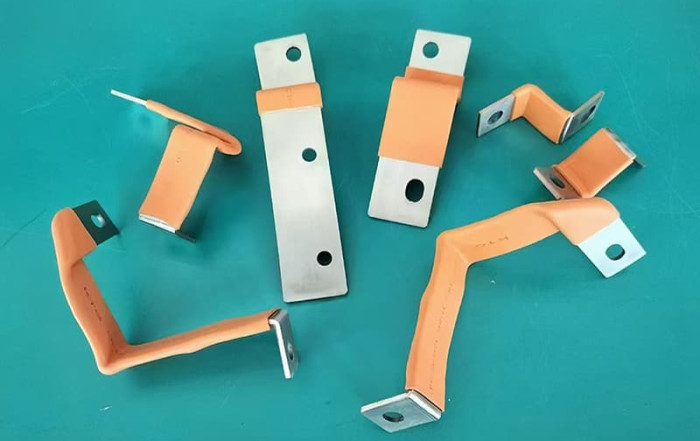
Why can’t a copper busbar and an aluminum busbar be directly connected?
[email protected]2025-12-08T02:54:03+00:00december 8th, 2025|0 Comments
Introduction Copper busbars and aluminum busbars are the two most commonly used conductive materials in the field of power systems and industrial distribution. Due to differences in cost, resource availability, and technical requirements, they often
How to Prepare for a Big Win at Tez888 Casino
Developer Ismail2025-10-04T21:44:04+00:00oktober 4th, 2025|0 Comments
When aiming for a significant payout at Tez888 casino, one crucial step often overlooked is thorough receipt checking and verification. Properly managing your transaction records not only ensures transparency but also plays a vital role
Tips and Tricks for Successful Betting on Bettilt
Developer Ismail2025-08-17T05:29:18+00:00augusti 17th, 2025|0 Comments
When engaging in online betting, particularly on platforms like bettilt, it's crucial to incorporate strategies such as receipt checking, tax optimization, and thorough verification to maximize your success. These elements ensure that your betting activities

How Do You Calculate the Size of a Copper Busbar?
[email protected]2025-06-06T06:54:57+00:00juni 6th, 2025|0 Comments
1. Introduction to Busbar Sizing Accurate copper busbar sizing is vital for secure, dependable, and effective electric circulation. Busbars disperse high currents in switchgear and panelboards. Inappropriate sizing reasons extreme warmth, power loss, voltage
10 Essential Tips for Working with Copper Busbars
[email protected]2025-06-03T06:35:28+00:00juni 3rd, 2025|0 Comments
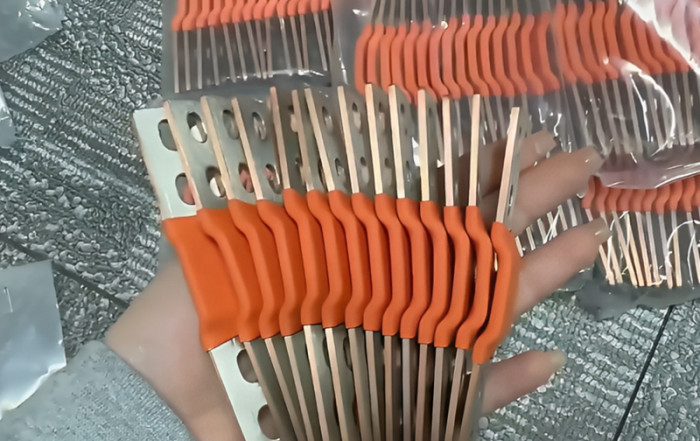
In modern power systems, copper busbars have actually become a core element in power transmission and distribution because of their superb electric conductivity, rust resistance and mechanical strength. As a specialist manufacturer of copper
A Guide to Maintaining Copper Busbars Effectively
[email protected]2025-05-28T06:09:36+00:00maj 28th, 2025|0 Comments
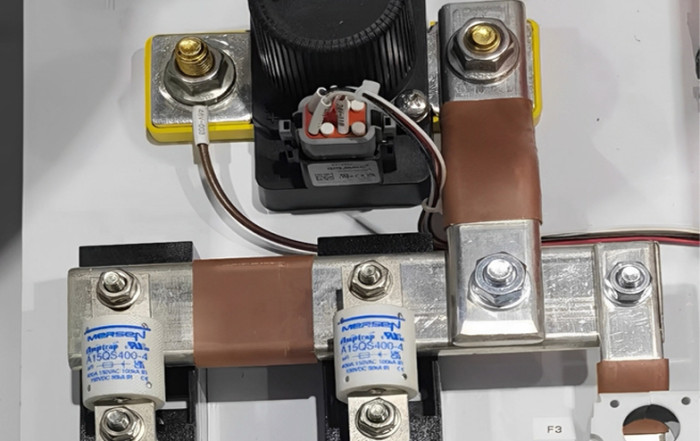
As a core component of power transmission systems, copper busbars are an important choice for industry due to their high electrical conductivity, corrosion resistance and mechanical strength. However, the durability of its performance is
Hör av dig
Vi levererar alla skräddarsydda samlingsskenor
Relaterade inlägg
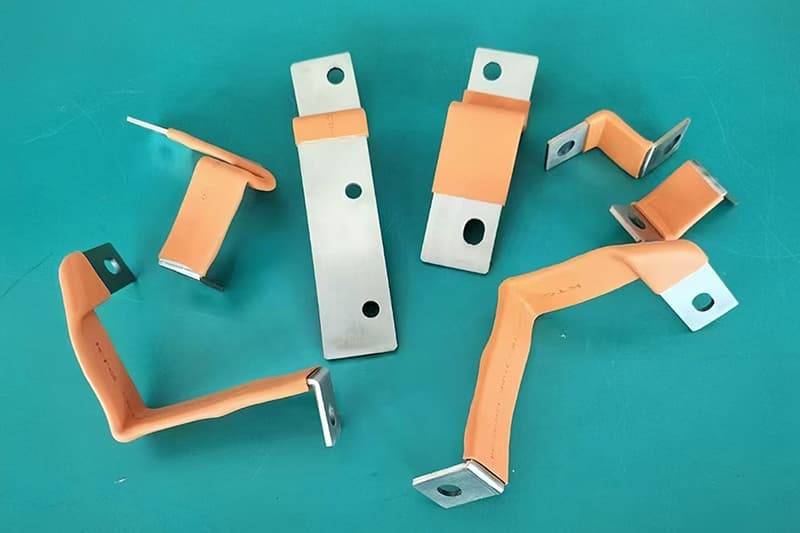
Introduction Copper busbars and aluminum busbars are the two most commonly used conductive materials in the field of power systems and industrial distribution. Due to differences in cost, resource availability, and technical requirements, they often need to be connected and used in practical applications. However, directly connecting copper aluminum busbars can pose serious safety hazards.
When aiming for a significant payout at Tez888 casino, one crucial step often overlooked is thorough receipt checking and verification. Properly managing your transaction records not only ensures transparency but also plays a vital role in tax optimization. Understanding the legal framework surrounding gambling winnings and maintaining accurate documentation will help you navigate potential audits
-
When engaging in online betting, particularly on platforms like bettilt, it’s crucial to incorporate strategies such as receipt checking, tax optimization, and thorough verification to maximize your success. These elements ensure that your betting activities remain transparent, compliant with legal requirements, and financially efficient. By focusing on these areas, bettors can safeguard their investments and

 Swedish
  English
  Arabic
  German
  Spanish
  French
  Russian
  Danish
  Japanese
  Italian
  Vietnamese
  Turkish
  Dutch
Dutch  Portuguese
  Thai
Thai  Korean
  Greek
Greek  Polish
  Estonian
  Esperanto
  Hindi
Hindi  Indonesian
  Latvian