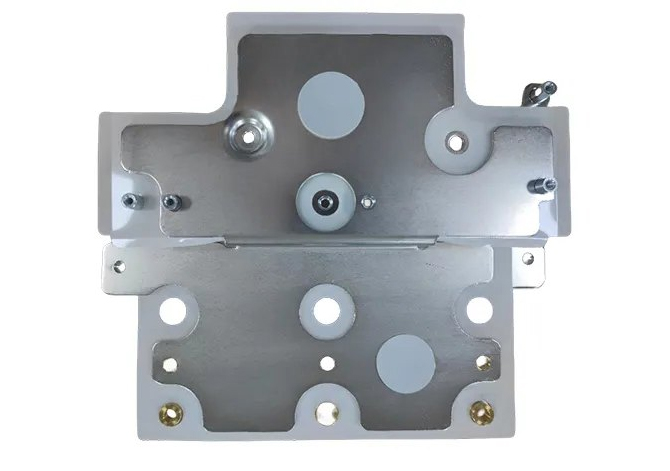
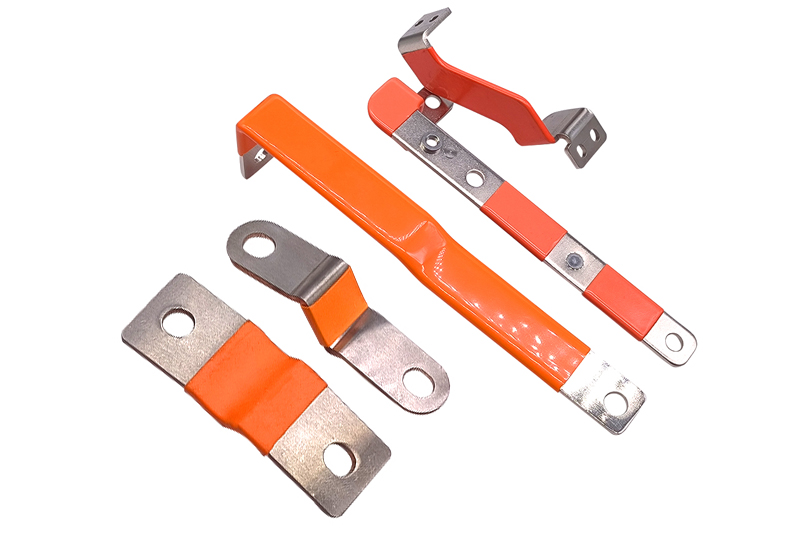
In the field of electrical engineering, a บัสบาร์ทองแดง is a key conductive element; its surface treatment process directly affects the performance and life of the equipment. Tinned copper busbars and non-tinned copper busbars are due to different treatment methods; in terms of conductivity, corrosion resistance, cost, and application scenarios, there are significant differences. This paper analyzes the five core indicators (conductivity, corrosion resistance, temperature rise control, economic cost, and application scenarios), combined with authoritative data and industry cases, for engineering design and selection to provide a scientific basis.
ความแตกต่างของค่าการนำไฟฟ้า
- ความแตกต่างของค่าการนำไฟฟ้า
ทองแดงบริสุทธิ์มีค่าต้านทาน 1.7×10⁻⁸ Ω-m ในขณะที่ดีบุกมีค่าต้านทานสูงถึง 2.2×10⁻⁷ Ω-m แม้ว่าการชุบดีบุกจะเพิ่มค่าต้านทานโดยรวมของบัสบาร์ทองแดงเล็กน้อย แต่ข้อดีก็คือความเสถียรในระยะยาว
| ประเภทวัสดุ | ค่าความต้านทาน (Ω-m) | การนำไฟฟ้า (IACS) |
|---|---|---|
| ทองแดงบริสุทธิ์ | 1.7×10⁻⁸ | 100% |
| ทองแดงเคลือบดีบุก | 97% |
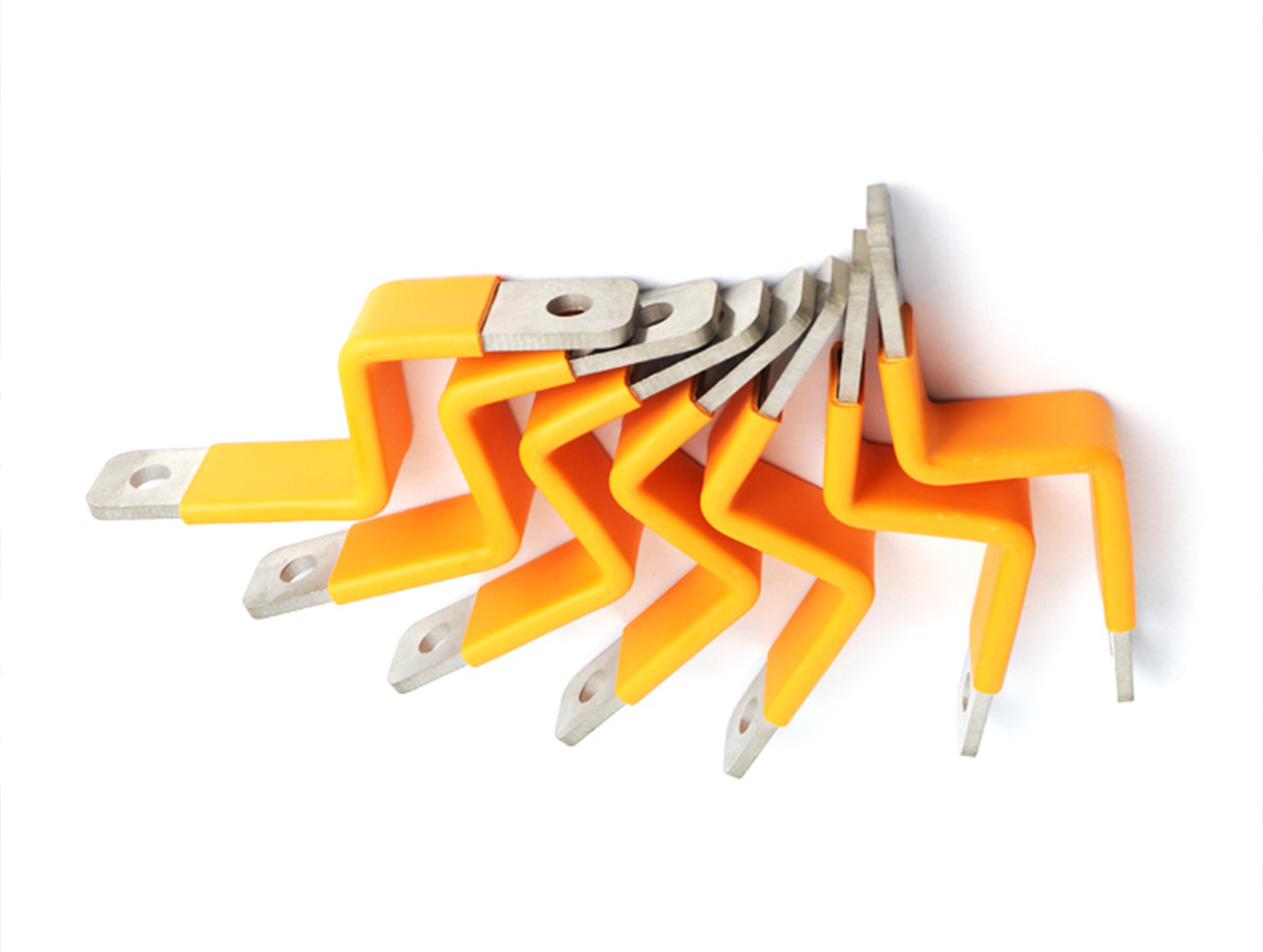
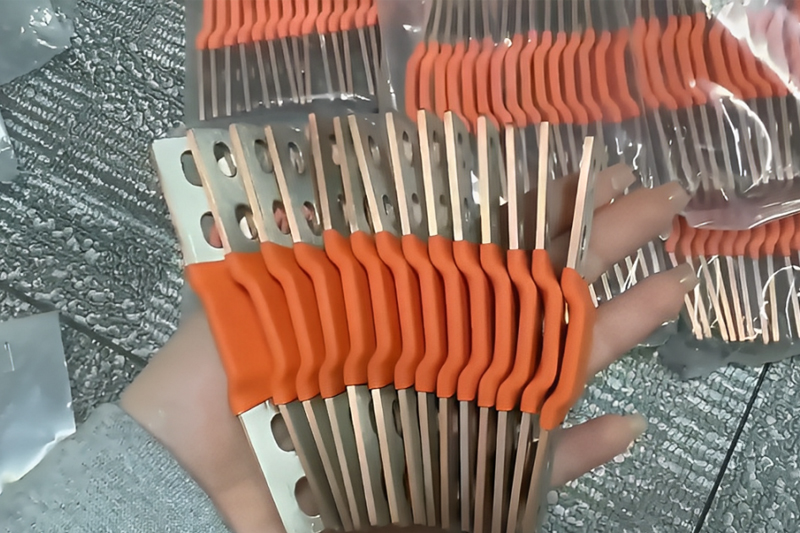
ชั้นเคลือบดีบุกช่วยป้องกันการเกิดออกซิเดชันของพื้นผิวทองแดงและหลีกเลี่ยงการเกิดแรงต้านทานที่เพิ่มขึ้นอันเนื่องมาจากการก่อตัวของคอปเปอร์กรีน (คอปเปอร์อัลคาไลคาร์บอเนต)
- การเพิ่มประสิทธิภาพความต้านทานการสัมผัส
บัสบาร์ทองแดงชุบดีบุกมีพื้นผิวเรียบและสม่ำเสมอ และความต้านทานการสัมผัสลดลงประมาณ 15-20% เมื่อเทียบกับบัสบาร์ทองแดงทั่วไป ตัวอย่างเช่น ในการเชื่อมต่ออินเวอร์เตอร์โฟโตวอลตาอิค การชุบดีบุกจะลดการเพิ่มขึ้นของอุณหภูมิที่จุดสัมผัสลง 8-10K ซึ่งช่วยปรับปรุงประสิทธิภาพของระบบได้อย่างมาก
ความแตกต่างในความต้านทานการกัดกร่อน
- กลไกการป้องกันการเกิดออกซิเดชัน
บัสบาร์ทองแดงทั่วไปในสภาพแวดล้อมที่มีความชื้น > 60% จะผลิตชั้นออกซิเดชันที่มองเห็นได้ภายใน 48 ชั่วโมง บัสบาร์ทองแดงเคลือบดีบุกที่มีชั้นดีบุกสามารถแยกออกจากออกซิเจนและความชื้น ทำให้กระบวนการออกซิเดชันช้าลง 3-5 เท่า ตัวอย่างเช่น หลังจากนำบัสบาร์ทองแดงเคลือบดีบุกมาใช้ในสถานีไฟฟ้าชายฝั่ง วงจรการบำรุงรักษาได้ขยายจาก 1 ปีเป็น 3 ปี - ทนทานต่อสภาพแวดล้อมที่เป็นกรดและด่าง
ในสภาพแวดล้อมที่เป็นกรดและด่างที่มี pH 3-11 อัตราการกัดกร่อนของบัสบาร์ทองแดงเคลือบดีบุกจะมีเพียง 1/4 ของบัสบาร์ทองแดงธรรมดาเท่านั้น - การเปรียบเทียบอัตราการกัดกร่อนในสภาพแวดล้อมที่แตกต่างกัน
| ประเภทสิ่งแวดล้อม | บัสบาร์ทองแดงชุบ (มม./ปี) | บัสบาร์ทองแดงบริสุทธิ์ (มม./ปี) |
|---|---|---|
| สเปรย์เกลือชายฝั่ง | 0.003 | 0.015 |
| ฝนกรดอุตสาหกรรม (pH4) | 0.002 | 0.008 |
ความแตกต่างของอุณหภูมิ
- ความแตกต่างของมาตรฐานการเพิ่มขึ้นของอุณหภูมิ
ตามมาตรฐานแห่งชาติ GB/T 14048.1 อุณหภูมิที่อนุญาตสำหรับบัสบาร์ทองแดงชุบดีบุกคือ 65K ซึ่งสูงกว่าบัสบาร์ทองแดงธรรมดาซึ่งอยู่ที่ 50K ลักษณะพิเศษนี้ทำให้สามารถเพิ่มความจุในการรองรับได้ประมาณ 10%-15% ภายใต้พื้นที่หน้าตัดเดียวกัน - ข้อได้เปรียบด้านเสถียรภาพทางความร้อน
ชั้นชุบดีบุกสามารถกระจายความหนาแน่นของกระแสไฟฟ้าได้อย่างสม่ำเสมอ ซึ่งช่วยลดความเสี่ยงของความร้อนสูงเกินไปในพื้นที่ ตัวอย่างเช่น หลังจากท่อบัสของศูนย์ข้อมูลใช้บัสบาร์ทองแดงชุบดีบุก อุณหภูมิสูงสุดที่เพิ่มขึ้นก็ลดลงจาก 75K เป็น 62K และอัตราความล้มเหลวของระบบก็ลดลง 40%
สถานการณ์การใช้งาน
- บัสบาร์ทองแดงชุบดีบุกของฟิลด์ที่ใช้งานได้
- สภาพแวดล้อมที่มีความชื้นสูง เช่น โรงไฟฟ้าชายฝั่งและระบบไฟฟ้าเรือ
- อิเล็กทรอนิกส์แม่นยำ: บรรจุภัณฑ์เซมิคอนดักเตอร์ สถานีฐาน 5G
- สถานการณ์ความถี่สูง: อินเวอร์เตอร์พลังงานใหม่ ระบบลากจูงรถไฟความเร็วสูง
- ทางเลือกทางเศรษฐกิจของบัสบาร์ทองแดงธรรมดา
- สภาพแวดล้อมภายในที่แห้ง เช่น ตู้จ่ายไฟในอาคารพาณิชย์ (มาตรฐานแห่งชาติ GB50303-2015 อนุญาตให้มีการเคลือบผิวแบบไม่เคลือบดีบุก)
- โครงการระยะสั้น: สิ่งอำนวยความสะดวกการจ่ายไฟฟ้าชั่วคราว, อุปกรณ์ต้นทุนต่ำ
บทสรุป
ทางเลือกระหว่าง ตัวนำทองแดงชุบดีบุก ต้องใช้ข้อกำหนดด้านการนำไฟฟ้า สภาพแวดล้อม งบประมาณ และต้นทุนการบำรุงรักษาร่วมกัน ในสภาพแวดล้อมที่มีการกัดกร่อนหรือสถานการณ์ที่มีความน่าเชื่อถือสูง บัสบาร์ทองแดงเคลือบดีบุกได้กลายเป็นตัวเลือกแรกเนื่องจากความสามารถในการนำไฟฟ้าที่เสถียรและการป้องกันที่ยาวนาน ในขณะที่ในสถานการณ์ทั่วไปที่มีภาระงานต่ำและแห้ง บัสบาร์ทองแดงธรรมดายังคงมีข้อได้เปรียบด้านต้นทุน ในอนาคต ด้วยการปรับปรุงกระบวนการชุบดีบุก (เช่น เทคโนโลยีการเคลือบนาโน) ข้อได้เปรียบด้านต้นทุนที่มีประสิทธิภาพจะได้รับการเน้นย้ำเพิ่มเติม
Product Categories
Related Post
Why can’t a copper busbar and an aluminum busbar be directly connected?
[email protected]2025-12-08T02:54:03+00:00ธันวาคม 8th, 2025|0 Comments
Introduction Copper busbars and aluminum busbars are the two most commonly used conductive materials in the field of power systems and industrial distribution. Due to differences in cost, resource availability, and technical requirements, they often

How Do You Calculate the Size of a Copper Busbar?
[email protected]2025-06-06T06:54:57+00:00มิถุนายน 6th, 2025|0 Comments
1. Introduction to Busbar Sizing Accurate copper busbar sizing is vital for secure, dependable, and effective electric circulation. Busbars disperse high currents in switchgear and panelboards. Inappropriate sizing reasons extreme warmth, power loss, voltage
10 Essential Tips for Working with Copper Busbars
[email protected]2025-06-03T06:35:28+00:00มิถุนายน 3rd, 2025|0 Comments
In modern power systems, copper busbars have actually become a core element in power transmission and distribution because of their superb electric conductivity, rust resistance and mechanical strength. As a specialist manufacturer of copper
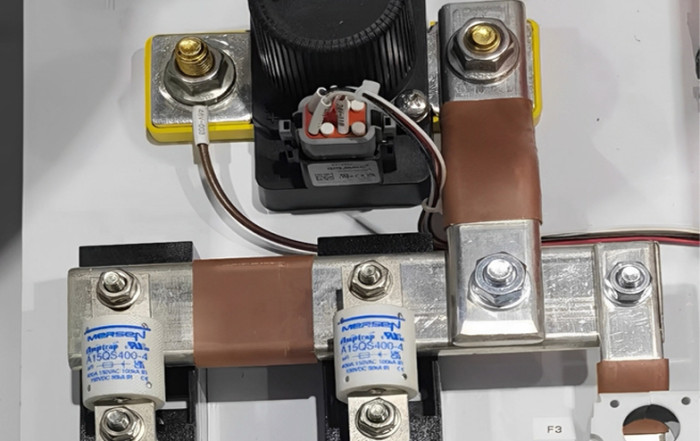
A Guide to Maintaining Copper Busbars Effectively
[email protected]2025-05-28T06:09:36+00:00พฤษภาคม 28th, 2025|0 Comments
As a core component of power transmission systems, copper busbars are an important choice for industry due to their high electrical conductivity, corrosion resistance and mechanical strength. However, the durability of its performance is
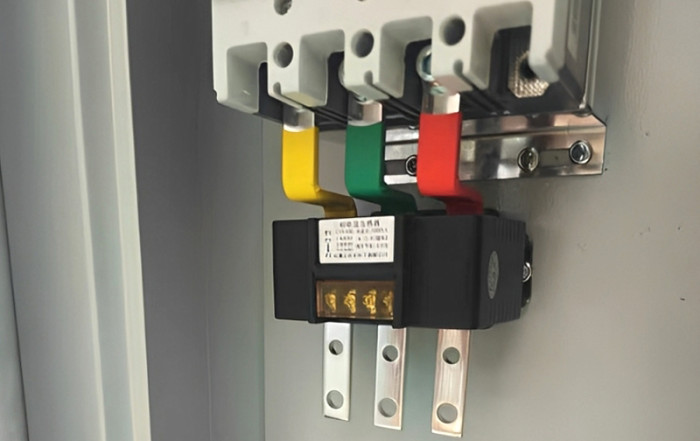
How to Install Copper Bus Bars for Electrical Systems
[email protected]2025-05-27T07:25:44+00:00พฤษภาคม 27th, 2025|0 Comments
As a copper busbar manufacturer, we are well aware of its central role in electrical systems. With its excellent electrical conductivity, mechanical strength and corrosion resistance, copper busbar has become a key component in
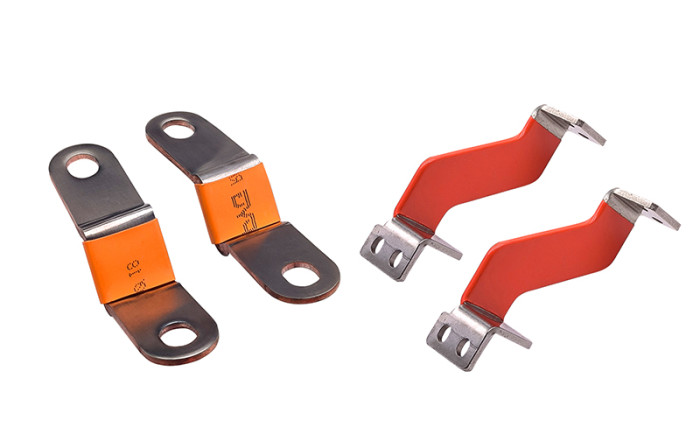
Everything you need to know about copper busbars
[email protected]2025-05-19T02:55:47+00:00พฤษภาคม 15th, 2025|0 Comments
Nam lacinia arcu tortor, nec luctus nibh dignissim eu nulla นั่ง amet maximus.
ติดต่อเรา
เราจัดส่งบัสบาร์ที่ปรับแต่งได้
กระทู้ที่เกี่ยวข้อง
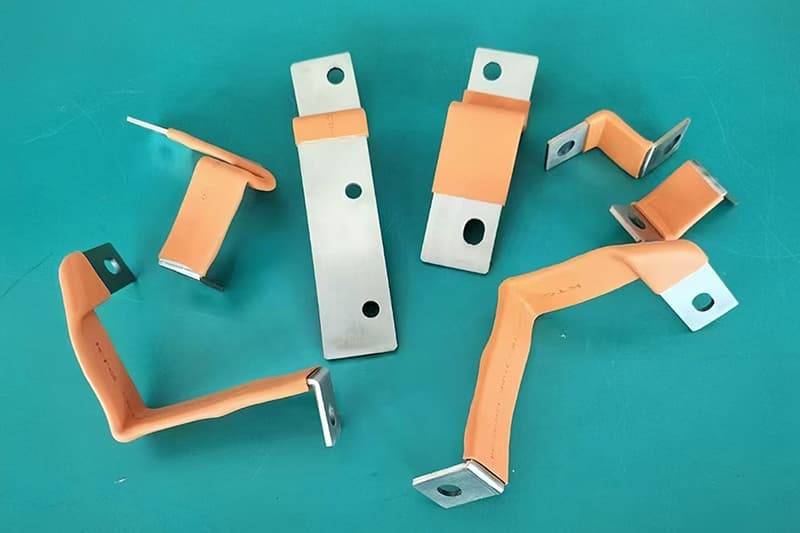
Introduction Copper busbars and aluminum busbars are the two most commonly used conductive materials in the field of power systems and industrial distribution. Due to differences in cost, resource availability, and technical requirements, they often need to be connected and used in practical applications. However, directly connecting copper aluminum busbars can pose serious safety hazards.


 Thai
Thai  English
  Arabic
  German
  Spanish
  French
  Russian
  Danish
  Japanese
  Italian
  Vietnamese
  Turkish
  Dutch
Dutch  Portuguese
  Swedish
  Korean
  Greek
Greek  Polish
  Estonian
  Esperanto
  Hindi
Hindi  Indonesian
  Latvian