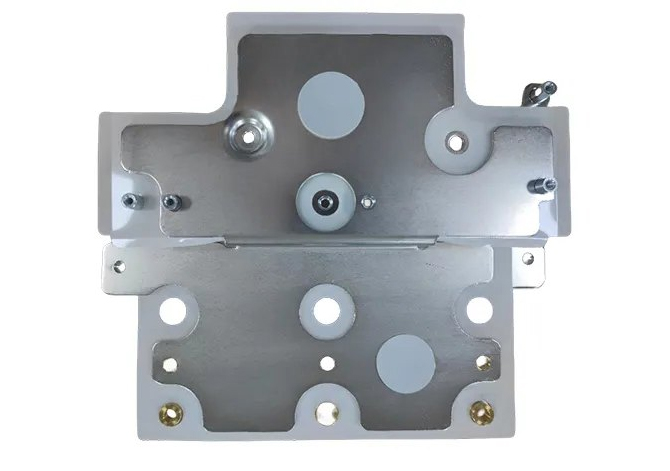
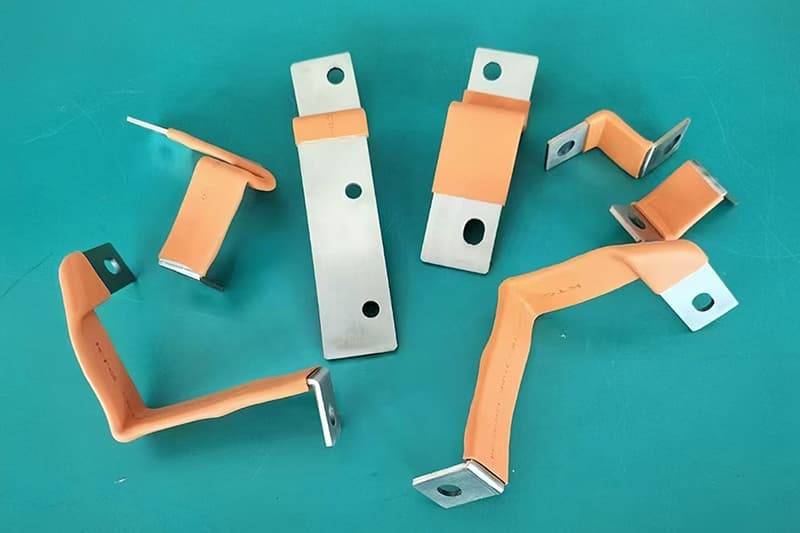
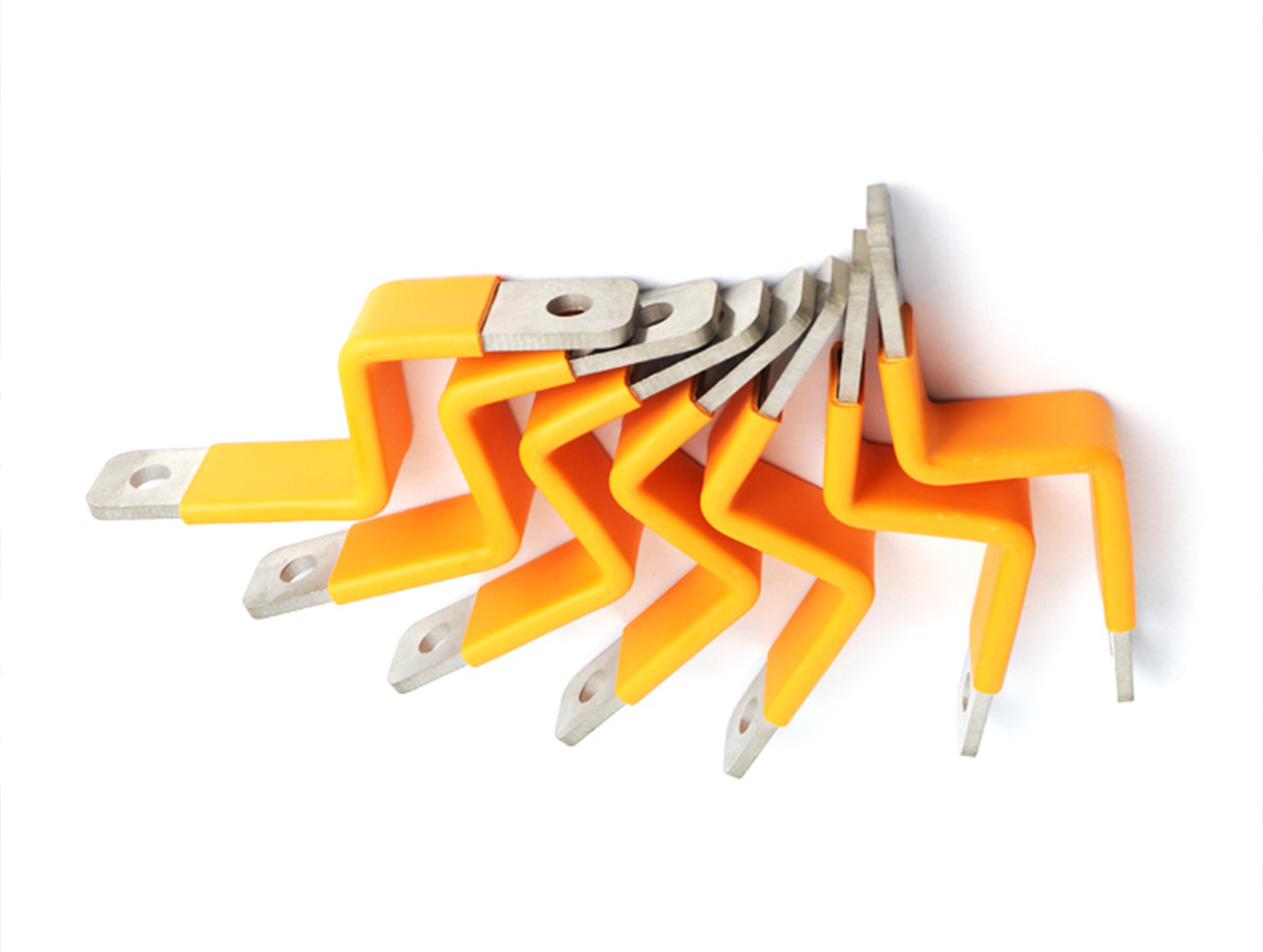
With the rapid development of the new energy industry, the high-current scenario requires increasingly stringent performance of conductive components. With its excellent conductivity, corrosion resistance, and solderability, Thanh cái đồng mạ thiếc has become the core component of new energy vehicles, photovoltaic power generation, and other fields. This article starts from the scientific principles of tin-plating process, combined with 7 technical dimensions, in-depth analysis of the selection criteria and application strategy of the tinned copper busbar, and authoritative data comparison to provide enterprises with landing solutions.
- Tăng cường độ dẫn điện và tối ưu hóa độ ổn định
- The conductivity of copper itself is as high as 58 S/m, but the conductivity of copper oxide on the surface decreases significantly. After tin plating, tin oxide (SnO₂) has better conductivity than copper oxide (CuO), which can reduce the contact resistance by up to 30%. Experimental data show that the temperature rise of tin-plated copper busbars is 15-20% lower than that of bare copper busbars(under the same current), which significantly reduces power loss.
- Nâng cấp khả năng chống ăn mòn vượt bậc
In the salt spray test, the thickness of the tin-plated layer ≥ 25 25μm copper busbar can withstand 1000 hours without corrosion, far more than the limit of 72 hours of bare copper. For example, in coastal photovoltaic power plants, the service life of tinned copper busbars can be extended to more than 15 years, reducing maintenance costs by 40%.
- Cải tiến quy trình hàn
Khi độ nhám bề mặt (giá trị Ra) của lớp mạ thiếc mờ được kiểm soát ở mức 0,8-1,6 μm, cường độ liên kết hàn tăng lên hơn 50% và có thể thực hiện kết nối đáng tin cậy mà không cần thuốc hàn. Tesla Supercharger sử dụng quy trình này để cải thiện hiệu suất hàn gấp 3 lần.
2. Quy trình mạ thiếc
| Loại quy trình |
Độ dày mạ (μm) |
Độ dẫn điện (%IACS) |
Các kịch bản |
Chỉ số chi phí (Đồng trần = 1) |
| Thiếc sáng |
8-12 |
85-90 |
Tủ điện, Linh kiện ngoại thất |
1.8 |
| Thiếc mờ (Có thể hàn) |
12-15 |
80-85 |
Các miếng kết nối, hàn PCB |
2.2 |
| Hộp nhúng nóng |
25-40 |
75-80 |
Thiết bị, Môi trường hóa chất |
3.5 |
- Hộp thiếc sáng: Cân bằng giữa thẩm mỹ và chức năng
Phù hợp với tủ phân phối điện của trung tâm dữ liệu và các trường hợp khác yêu cầu tính thẩm mỹ cao, với độ bóng gương (đo ở góc 60°) từ 90GU trở lên, nhưng cần tránh các ứng dụng hàn.
- Thiếc mờ: giải pháp tối ưu cho kết nối công nghiệp
Khả năng chịu nhiệt độ cao có thể tăng lên tới 200°C bằng cách mạ lớp nền niken (độ dày 2-5μm), được sử dụng trong các mô-đun pin Ningde Times, giúp giảm tỷ lệ hàn bị lỗi xuống còn 0,02%.
- Thiếc nhúng nóng: rào cản bảo vệ cho môi trường khắc nghiệt
In offshore wind power projects, 40μm hot-dip tinned copper busbars are 10 times more resistant to sulfide corrosion than bare copper, which is especially suitable for industrial environments containing H₂S.
3. Độ dày vật liệu mạ
- Lựa chọn độ dày
- Môi trường khô trong nhà: 12,5μm (đáp ứng tiêu chuẩn thử nghiệm phun muối GB/T 2423.17 cấp độ 4)
- Môi trường ẩm ướt/công nghiệp: 25μm (đã vượt qua thử nghiệm cấp độ nghiêm ngặt IEC 60068-2-11)
- Môi trường hóa chất/biển: ≥30μm (tham khảo tiêu chuẩn NACE TM0172)
- Tính không thể thay thế của đồng nguyên chất C110
C110 copper busbars with copper content ≥99.9%, conductivity up to 101% IACS, and bending formability 3 times higher than brass are the best substrates for the tin-plating process. An ultra-high voltage substation project was measured to show that the C110 copper busbar of the current-carrying capacity of 22% higher than the alloy copper.
4. Kiểm soát chất lượng
- Kiểm tra độ đồng đều của lớp mạ
Máy quang phổ huỳnh quang tia X (XRF) được sử dụng để lập bản đồ độ dày, yêu cầu độ lệch ≤±10% (tham khảo tiêu chuẩn ASTM B568).
- Kiểm tra liên kết
Đạt thử nghiệm uốn (uốn 180° mà không bong tróc) và thử nghiệm sốc nhiệt (chu kỳ -40°C~150°C trong 5 lần) theo quy định của ISO 2819.
- Nâng cấp quy trình bảo vệ môi trường
Các công ty hàng đầu đã áp dụng quy trình mạ thiếc không chứa xyanua (ví dụ như hệ thống citrate), giúp giảm độc tính của nước thải xuống 90% và tuân thủ tiêu chuẩn RoHS 3.0.
5. Ứng dụng trong ngành
- Hệ thống điện áp cao cho xe năng lượng mới
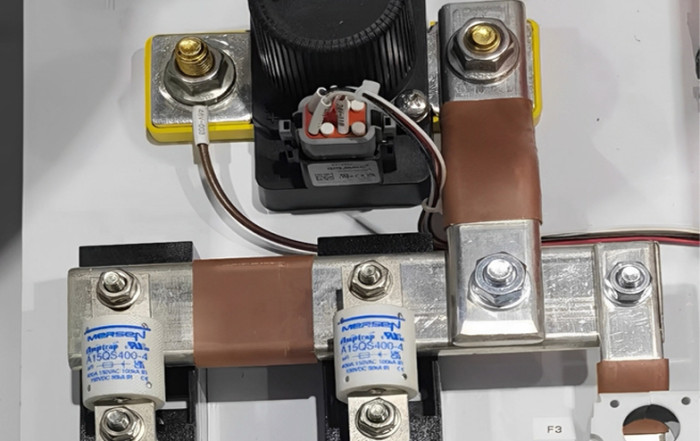
The BYD blade battery module adopts matte tin copper busbars, with contact resistance stabilized at below 0.15 mΩ, supporting 600 A continuous current.
- Tối ưu hóa cấu trúc biến tần PV
Sunny Power’s latest string inverter uses tinned copper busbars to increase the power density to 1.5W/cm³, and the efficiency breaks through 99%.
Tóm tắt
Sự đột phá về công nghệ của thanh đồng đóng hộp busbars is reshaping the competitive landscape of the new energy industry. From the quantum-level optimization of electrical conductivity to the reliability of extreme environments, the scientific selection of plating processes and thicknesses has become the core strategy of cost reduction and efficiency. With the strategic deployment of high-end materials, the tinned copper busbar will accelerate to aerospace, smart grid and other cutting-edge areas of penetration, opening a new era of conductive components.



 Vietnamese
  English
  Arabic
  German
  Spanish
  French
  Russian
  Danish
  Japanese
  Italian
  Turkish
  Dutch
Dutch  Portuguese
  Thai
Thai  Swedish
  Korean
  Greek
Greek  Polish
  Estonian
  Esperanto
  Hindi
Hindi  Indonesian
  Latvian